Share this article

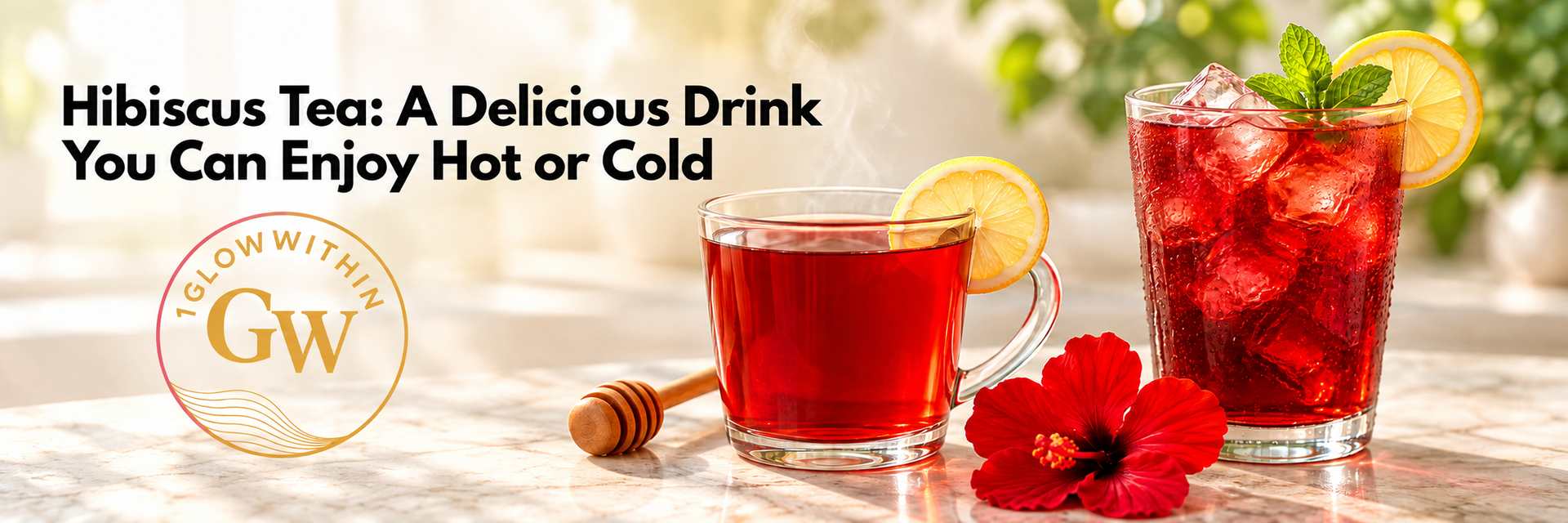
Hot and iced hibiscus tea with lemon, honey and a hibiscus flower

Hibiscus Tea: A Delicious Drink You Can Enjoy Hot or Cold

By the 1GlowWithin Team · Updated October 2026


Disclosure: This post contains Amazon affiliate links. As an Amazon Associate, 1GlowWithin earns from qualifying purchases.


A cup of hibiscus tea has a flavor you notice right away: tart, fruity and a little like cranberry. You might enjoy it warm with ginger, chilled with lemon or topped with sparkling water.


At 1GlowWithin, we believe caring for yourself can include simple things you enjoy. Making a refreshing drink at home is one of them. It doesn’t need to come with a promise to fix your health.


This guide explains which hibiscus to buy, how to prepare it and what to make of the health claims you may have seen online.

This article shares general wellness information and recipe ideas. It is not medical advice or a guide to treating a health condition.


What Is Hibiscus Tea Made From?

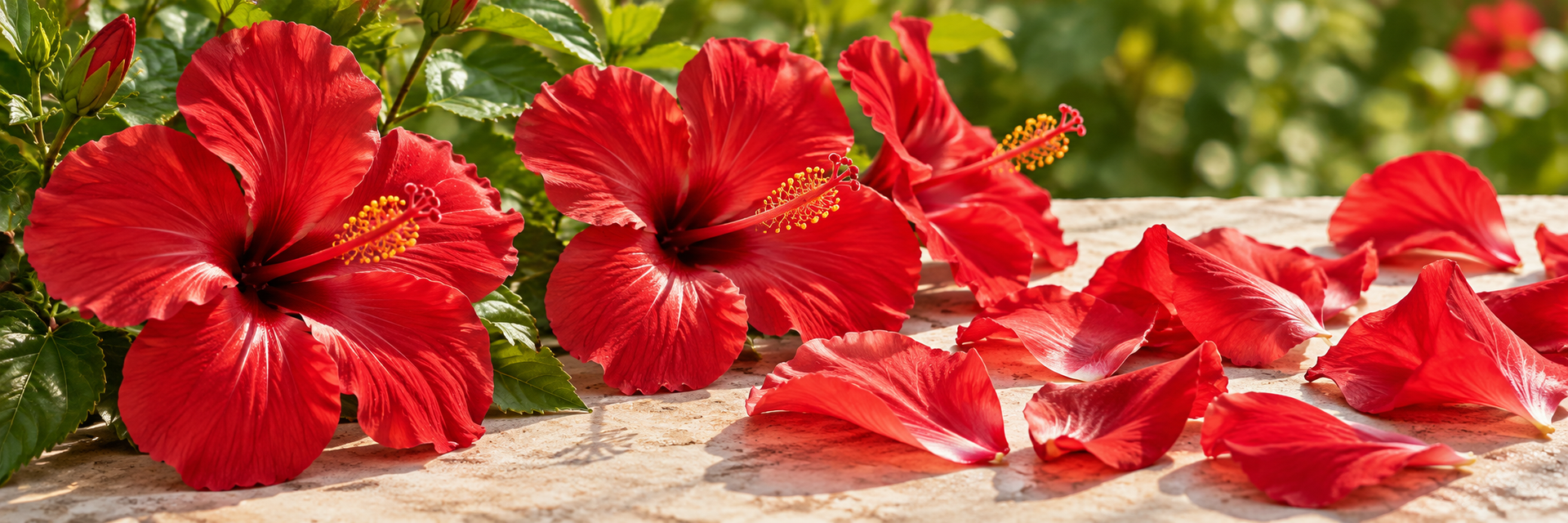
red hibiscus flowers and fresh petals

Hibiscus is a group of flowering plants. The type most commonly used for deep-red hibiscus tea is Hibiscus sabdariffa.


Packages may describe the dried ingredient as “hibiscus flowers” or “hibiscus petals.” More precisely, it is usually the fleshy outer part at the base of the flower, called the calyx. You don’t need to remember the botanical word—just look for food-grade hibiscus intended for tea or cooking.


These dried red pieces give the drink its familiar color and tart flavor.


Types of Hibiscus: Which Ones Can You Drink?

Garden hibiscus comes in beautiful shades of red, pink, yellow, orange, white and purple. Some flowers have contrasting centers or more than one color.

But flower color alone cannot tell you whether a plant is suitable for tea.


For the recipes in this article, choose packaged Hibiscus sabdariffa sold for food use. Check the ingredient label rather than choosing by the flower pictured on the packaging.


Large, colorful ornamental hibiscus flowers are not interchangeable with the dried hibiscus used in these recipes. Avoid picking flowers from a garden, roadside or florist unless the plant has been reliably identified as edible and you know it was grown for food use.


The simplest choice is dried hibiscus or hibiscus tea bags from a reputable food supplier.


Hibiscus and Your Health: What Does the Research Say?

You may have seen hibiscus described as a drink for blood pressure, weight loss, clearer skin or “detoxing.”


Those claims do not all have the same evidence behind them. Research on a plant compound or concentrated extract also does not automatically tell us what an ordinary cup of tea will do.


Blood pressure

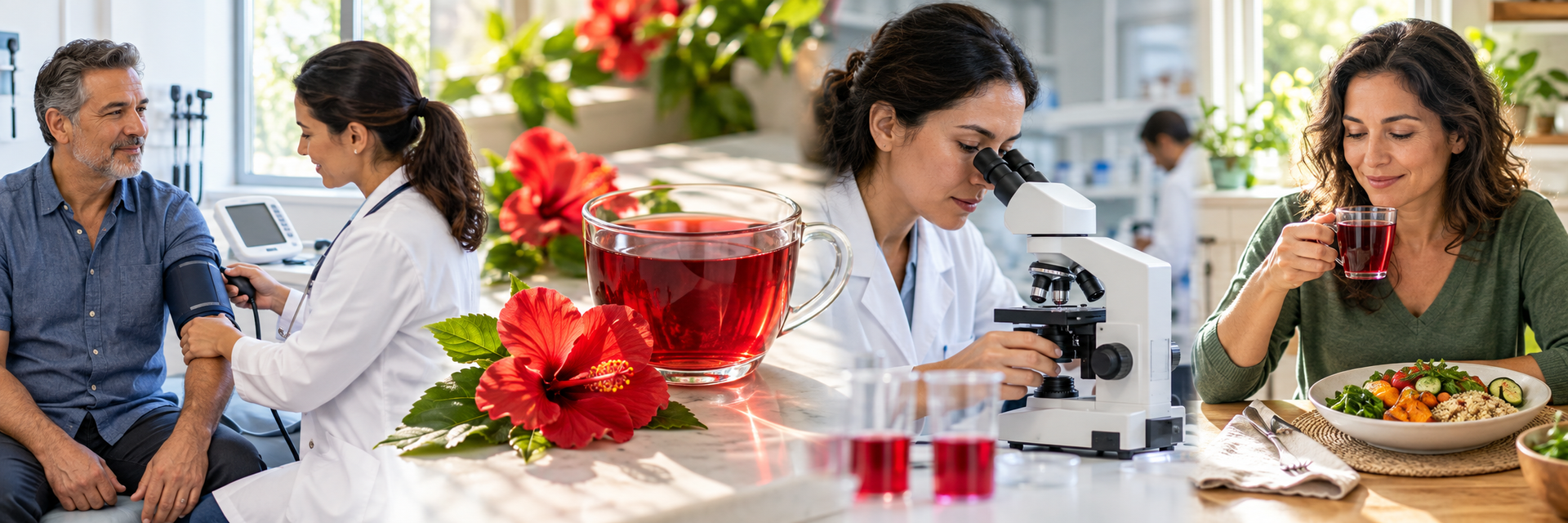
Some human studies have found lower blood pressure after regular hibiscus consumption.

One trial involved 65 adults with slightly elevated blood pressure who were not taking blood pressure medication. Participants drank hibiscus tea or a comparison drink for six weeks. The hibiscus group had a greater reduction in systolic blood pressure—the top number in a reading. That is a useful finding, but it does not establish hibiscus tea as a substitute for treatment.


Do not stop or change prescribed medication because you start drinking hibiscus tea.


Cholesterol and blood sugar

Researchers have also studied these areas, but findings vary. Studies use different preparations, amounts and participant groups, making it difficult to predict what someone will experience from a homemade drink. Hibiscus should not be presented as a reliable way to manage cholesterol or diabetes.


Antioxidants

Hibiscus contains plant compounds, including anthocyanins, associated with its red color. However, the presence of these compounds is not proof that drinking the tea will prevent disease or produce a visible change in your skin.


Weight loss, skin glow and “detox”

We would not recommend hibiscus tea with a promise that it will burn fat, clear your skin or cleanse your liver. Those are not established benefits of an ordinary cup of hibiscus tea.


An unsweetened hibiscus drink can be an alternative to a sugary drink if you enjoy the taste. That is a practical food choice, without needing to attach a bigger health promise to it.


Before You Make Hibiscus a Daily Habit

A herbal drink can still matter when you take medication or have a health condition.


Ask your healthcare provider or pharmacist whether hibiscus is suitable for you, particularly if you:

  • Take medication for blood pressure or diabetes.
  • Have low blood pressure.
  • Are pregnant or breastfeeding.
  • Have a health condition or take other medicines regularly.

These are reasons to check suitability, rather than assume every possible interaction has been proven.


Information about hibiscus use during breastfeeding is limited. A lack of safety information should not be treated as reassurance that it is safe for everyone.

There is also no single daily amount that suits everyone. The strength of the drink, your health and your medications all matter.


The recipes below are drinks to enjoy, not treatment doses. Hibiscus capsules and concentrated extracts are different products and should not be treated as equivalent to tea.


Watch: 10 Benefits of Hibiscus Lemon Tea

Our YouTube video explores 10 potential benefits of hibiscus lemon tea. Some of these claims have stronger evidence than others, and research findings do not guarantee the same results from your cup of tea.


For a clearer look at what is known and where evidence is limited, read the research section above. The video is for general wellness education, not medical advice.


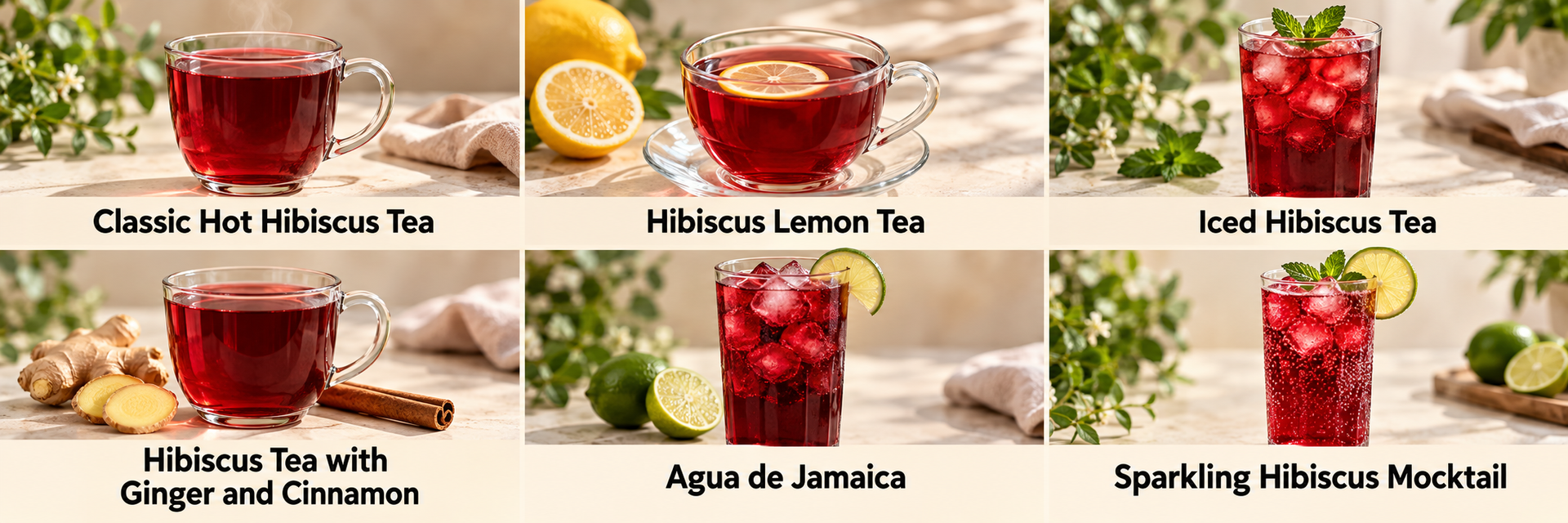
Six Ways to Enjoy Hibiscus Tea

hibiscus drinks

Use food-grade dried hibiscus for these recipes. If your package gives preparation instructions, follow those first.


1. Classic Hot Hibiscus Tea

Start here if you haven’t tried hibiscus before.

Ingredients

  • 1–2 teaspoons dried hibiscus, or one hibiscus tea bag
  • 1 cup freshly boiled water
  • Optional: a slice of ginger or a little honey

Method

Pour the hot water over the hibiscus. Steep for 5–10 minutes, then strain or remove the tea bag.

Taste before adding sweetener. If it is stronger or more tart than you like, add a little more water.

Pure hibiscus tea is naturally caffeine-free. Blends may contain black tea, green tea or other ingredients, so check the label.


2. Hibiscus Lemon Tea

Prepare a cup of hot hibiscus tea using the recipe above.

Add a small squeeze of lemon, stir and taste. Add more only if you want it sharper—hibiscus is already tart.

A little honey is optional. Enjoy it warm, or cool it and serve over ice.

3. Iced Hibiscus Tea

Ingredients

  • ¼ cup dried hibiscus
  • 4 cups water
  • Optional: lemon slices, fresh mint or a little sweetener

Method

Pour freshly boiled water over the hibiscus in a heatproof container. Steep for 10–15 minutes, then strain.

Let it cool briefly and refrigerate promptly. Serve chilled over ice, adding lemon or mint if you like.

For a cold-brew version, use a product whose instructions allow cold brewing. Prepare it in a clean, covered pitcher in the refrigerator and follow the package directions.


4. Hibiscus Tea with Ginger and Cinnamon

Ginger adds warmth, while cinnamon rounds out the tart flavor.

Ingredients

  • 2 tablespoons dried hibiscus
  • 4 cups water
  • A 1-inch piece of fresh ginger, sliced
  • 1 cinnamon stick
  • Optional: 2 whole cloves or a small strip of washed orange peel
  • Sweetener, if desired

Method

Simmer the water, ginger and cinnamon for about 5 minutes.

Remove from the heat, add the hibiscus and steep for 10–15 minutes. Strain and taste.

Serve warm, or cool and refrigerate for an iced drink. Dilute with water if needed.


5. Agua de Jamaica: A Hibiscus Cooler

Ingredients

  • ½ cup dried hibiscus
  • 8 cups water, divided
  • Optional: a little sugar and a squeeze of lime

Method

Simmer the hibiscus in 4 cups of water for 5 minutes. Remove from the heat and steep for another 10–15 minutes.

Strain, then add the remaining 4 cups of water. If using sugar, stir it into the warm tea so it dissolves.

Cool, refrigerate and serve over ice. Add lime to taste.


6. Sparkling Hibiscus Mocktail

Fill a glass with ice and add:

  • ½ cup chilled, unsweetened hibiscus tea
  • ½ cup plain sparkling water
  • A slice of lime
  • Optional: fresh mint

Stir gently and serve.

Using unsweetened tea and plain sparkling water keeps added sugar out of the base recipe. Syrups, sweetened tea or flavored mixers will change that.


Looking for another combination? Explore our Hibiscus Rose Lemonade recipe.


Can You Eat Hibiscus Too?

hibiscus recipes

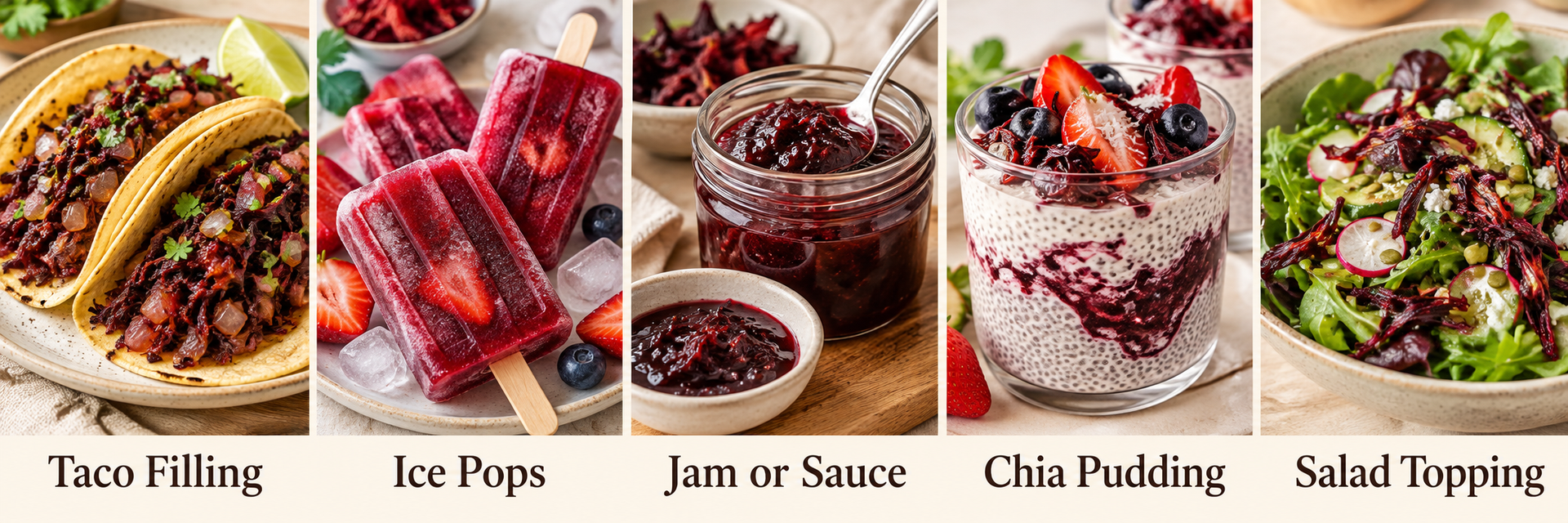
Yes—the food-grade hibiscus used for tea can also be used in cooking. Its tart flavor works in both sweet and savory dishes.


A few ideas to try:

  • Taco filling: Finely chop softened, strained hibiscus and sauté it with onion, garlic and your preferred seasonings.
  • Ice pops: Freeze prepared hibiscus tea with chopped fruit in ice-pop molds.
  • Jam or sauce: Use a tested hibiscus recipe to get the texture and sweetness right. For shelf-stable preserves, follow a tested canning recipe.
  • Chia pudding: Replace a small portion of the usual liquid with cooled hibiscus tea. Keep enough milk or fortified alternative for the texture you want.
  • Salad topping: Use properly identified, food-grade fresh hibiscus calyces, washed and thinly sliced. Avoid substituting unidentified garden flowers.

Refrigerate brewed tea and any strained hibiscus you plan to eat promptly. Prepare small batches rather than leaving a pitcher at room temperature throughout the day.


Hibiscus can stain counters, clothing and containers, so wipe up spills soon after they happen.


What to Look for When Buying Hibiscus


You don’t need an expensive tea set to get started. A mug, strainer and food-grade hibiscus are enough.

When shopping, check for:

  • The plant name: Hibiscus sabdariffa.
  • Food use: The product should be intended for tea or cooking.
  • The ingredient list: Blends may contain caffeine, added flavors or other herbs.
  • Preparation and storage instructions: Follow the supplier’s directions.

Loose hibiscus lets you adjust the strength. Tea bags are convenient when you want a quick cup.


A heatproof teapot or covered pitcher may be useful if you prepare larger batches, but neither is essential.


Shop food-grade dried hibiscus or hibiscus tea bags. ➡️ Shop Hibiscus Tea


Common Questions About Hibiscus Tea


  • Does hibiscus tea contain caffeine?

    Pure hibiscus tea does not naturally contain caffeine. Check blends, especially those containing black or green tea.

  • What does it taste like?

    Tart and fruity, with a flavor often compared to cranberry. Longer steeping and more hibiscus generally make a stronger drink.

  • Can I drink it every day?

    There isn’t a universal daily recommendation. If you take medication, have low blood pressure, are pregnant or breastfeeding, or have a health condition, ask your healthcare provider before making it a routine.

  • Can I use the hibiscus growing in my garden?

    Yes, provided you have confirmed it is an edible variety and it has not been treated with chemicals unsuitable for food plants. For these recipes, use Hibiscus sabdariffa.


    If you’re unsure of the variety or how it was grown, choose hibiscus sold for tea or cooking.

  • Does lemon make it less sour?

    Lemon adds more acidity. It can brighten the flavor, but it will not reduce the tartness. Try extra water or a small amount of sweetener if you prefer a milder cup.

  • Is hot hibiscus tea healthier than iced?

    Neither preparation should be presented as a better treatment or a guaranteed source of greater benefits. Choose the version you enjoy and pay attention to what you add.


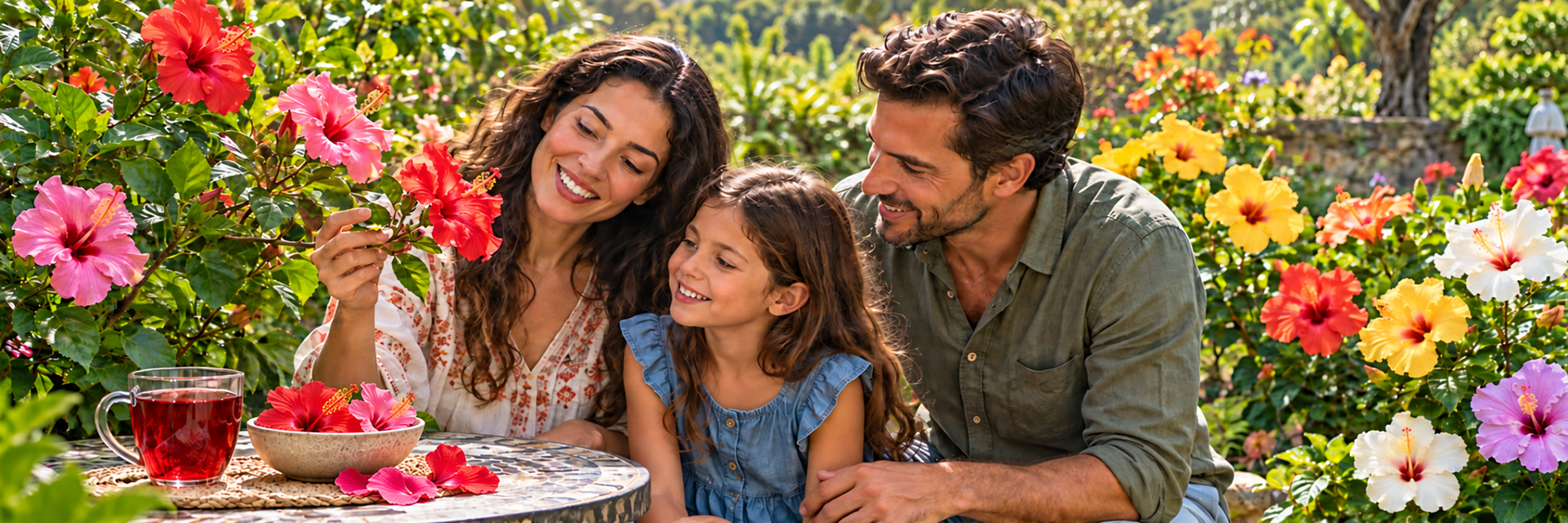
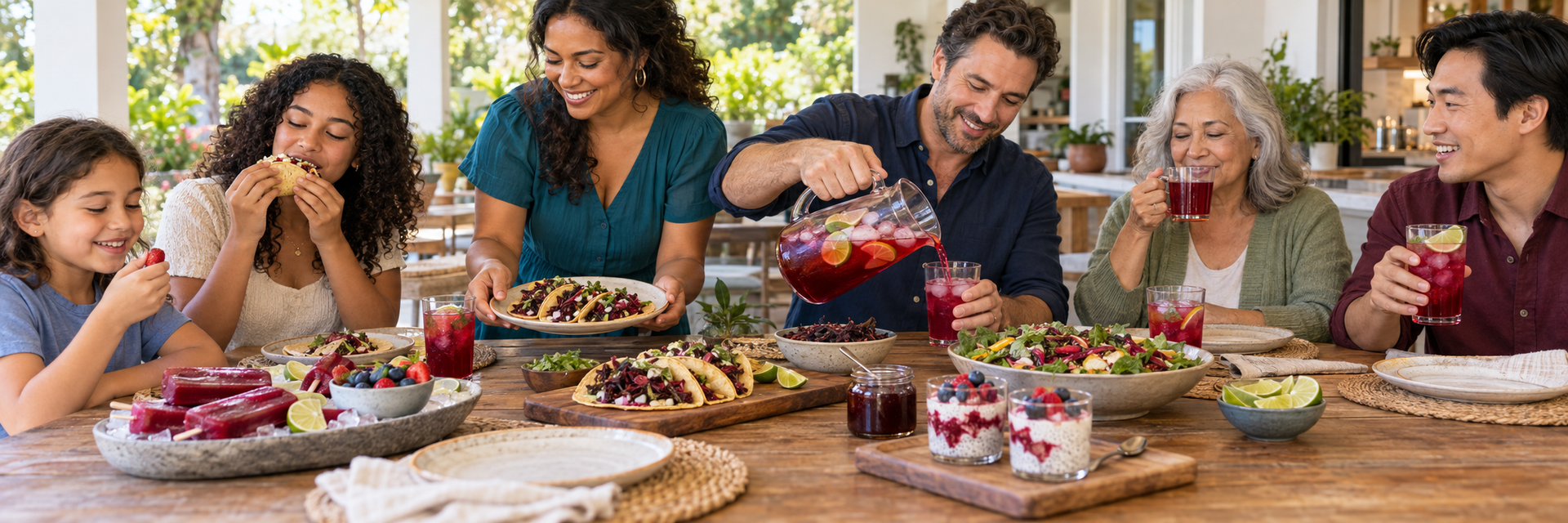
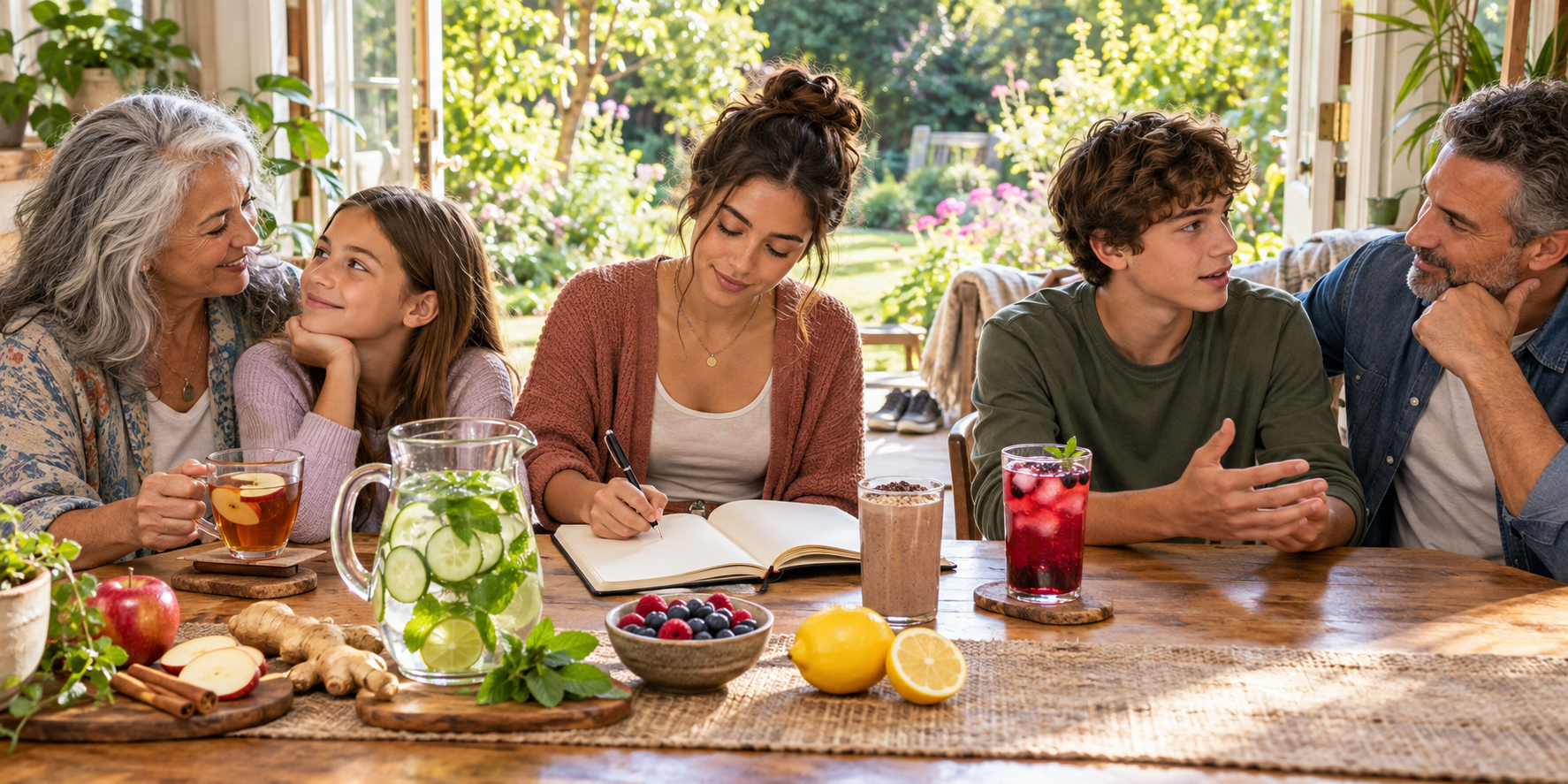
family and friends enjoying hibiscus drinks and recipes


A 1GlowWithin Tip

  • Before adding honey, sugar or syrup, taste the tea as it is.
  • If it feels too sharp, try diluting it first. You may simply prefer a lighter brew.
  • Wellness does not require turning every drink into a remedy. Sometimes it means finding something you enjoy, understanding what is in it and deciding whether it fits your day.


Keep Exploring

Find more recipes and everyday wellness ideas at 1GlowWithin, or explore our free GlowTools for a practical next step in caring for your body and mind.


Sources and Further Reading


1GlowWithin is a wellness content website. This article is for general education and does not diagnose, treat or replace individual medical advice. Speak with a qualified healthcare professional about questions concerning your health, medications or suitability for hibiscus.

Recent Posts

Coping Skills for Stress and Anxiety
By 1GlowWithin • September 23, 2026
Discover healthy coping skills for stress and anxiety, emotional intelligence tips, 5 wellness drink recipes and practical tools for calmer routines.
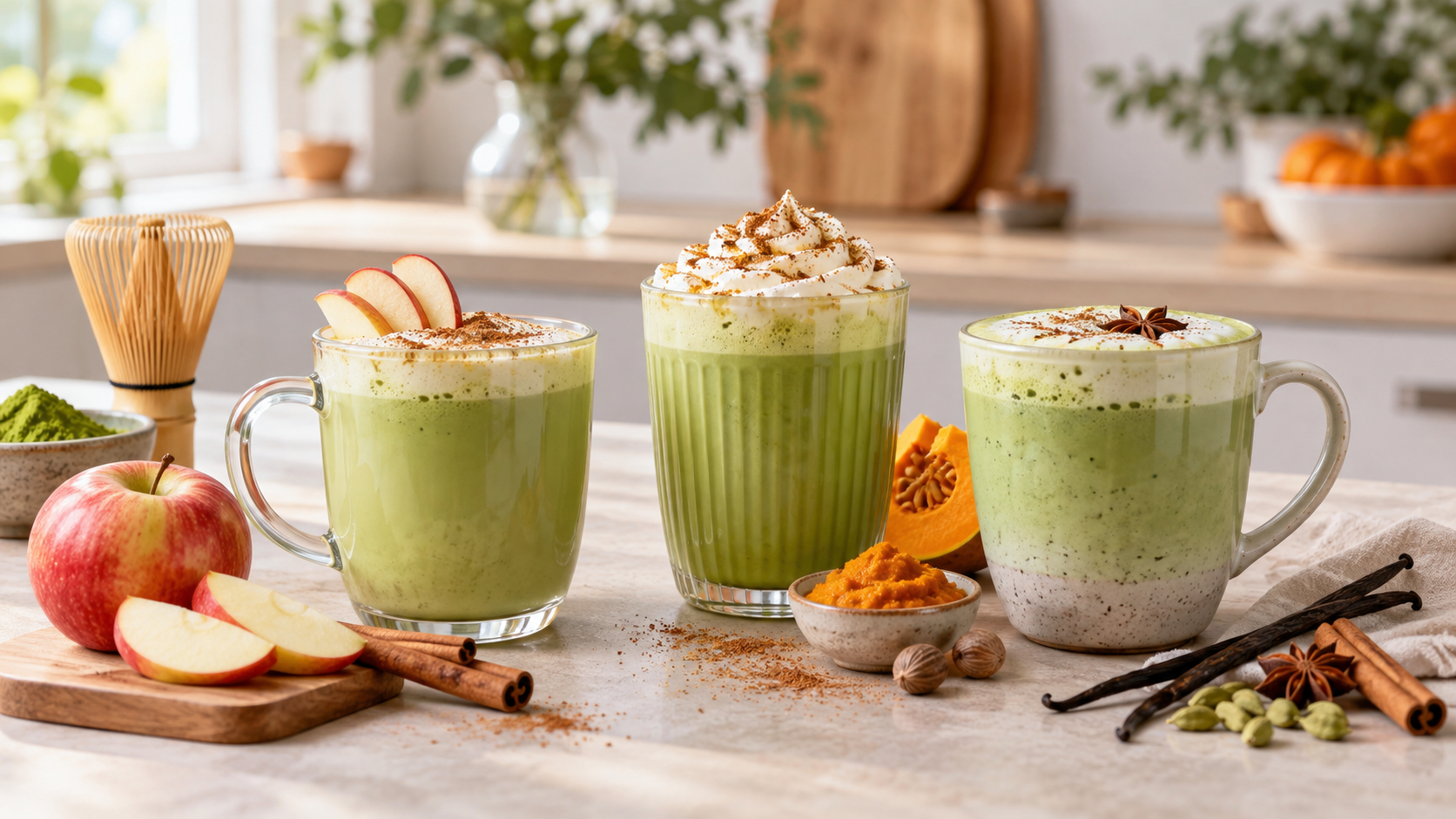
matcha lattes
By 1GlowWithin • September 23, 2026
fall matcha latte recipes—apple-cinnamon, pumpkin spice and vanilla chai—with exact measurements, lower-sugar options and easy homemade tips.

Two friends enjoying a peaceful fall moment surrounded by vibrant autumn leaves and warmth
By 1GlowWithin • September 1, 2026
Discover 10 simple fall wellness ideas to feel grounded, energized and supported through seasonal changes without pressure, perfection or expensive routines.
Multi-generational family enjoying a summer beach vacation together outdoors.
By 1GlowWithin • June 17, 2026
Family vacations can create lasting memories and they can also bring stress, planning challenges, family dynamics, and budget concerns.
Person gazing out a window beside a mug, notebook, and potted plant in warm morning light
By 1GlowWithin • May 3, 2026
A compassionate guide to the emotional, financial and family challenges of a midlife cancer diagnosis, plus gentle self-care to use alongside medical treatment.

Two people sitting apart on a couch in a softly lit living room, looking away from each other
By 1GlowWithin • April 8, 2026
Discover why intimacy fades in relationships due to stress, life changes, and emotional burnout—and how to rebuild connection with practical, realistic steps.

Family sitting on a flowered blanket in a sunny garden near a waterfall, smiling and sharing a picnic
By 1GlowWithin • April 3, 2026
Feeling exhausted even after resting? This gentle spring reset helps you rebuild energy, calm your nervous system, and restore your natural glow—no extremes needed.
Assorted fresh fruits, vegetables, grains, fish, and spices arranged on a kitchen counter
By 1GlowWithin • March 20, 2026
Refresh your body with this spring reset superfoods checklist. Learn what to eat for gut health, energy, skin glow, and full body wellness.
Shrimp fried rice in a black skillet, garnished with herbs, with lime wedges and small bowls of ingredients nearby
By 1GlowWithin • March 8, 2026
Learn how to make healthy shrimp fried rice that’s better than takeout. This quick high-protein recipe is packed with vegetables, flavor, and easy steps.
Bowls of granola with berries on a bright table, with an open notebook and glass bottle in the background
By 1GlowWithin • March 3, 2026
A Daniel Fast Reset featuring plant based breakfast lunch and dinner ideas designed to support spiritual clarity metabolic balance, and whole body nourishment
Show More