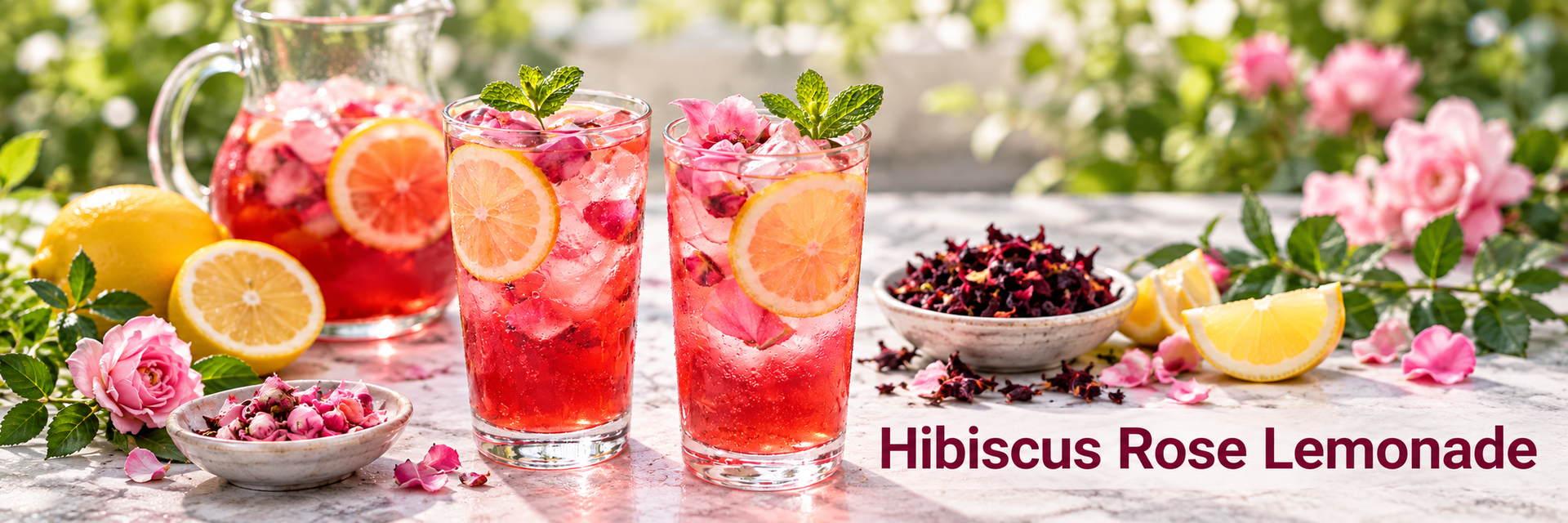
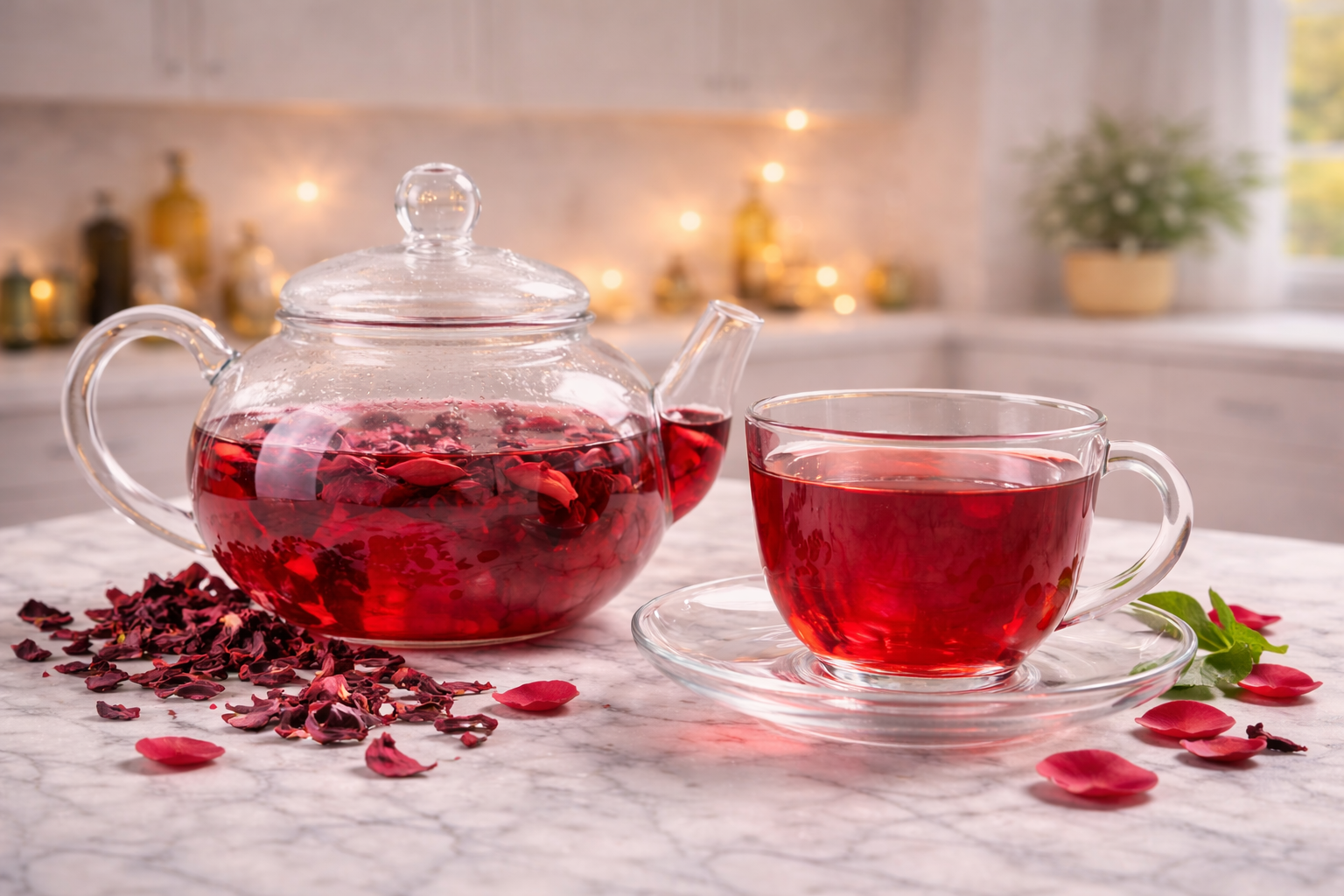
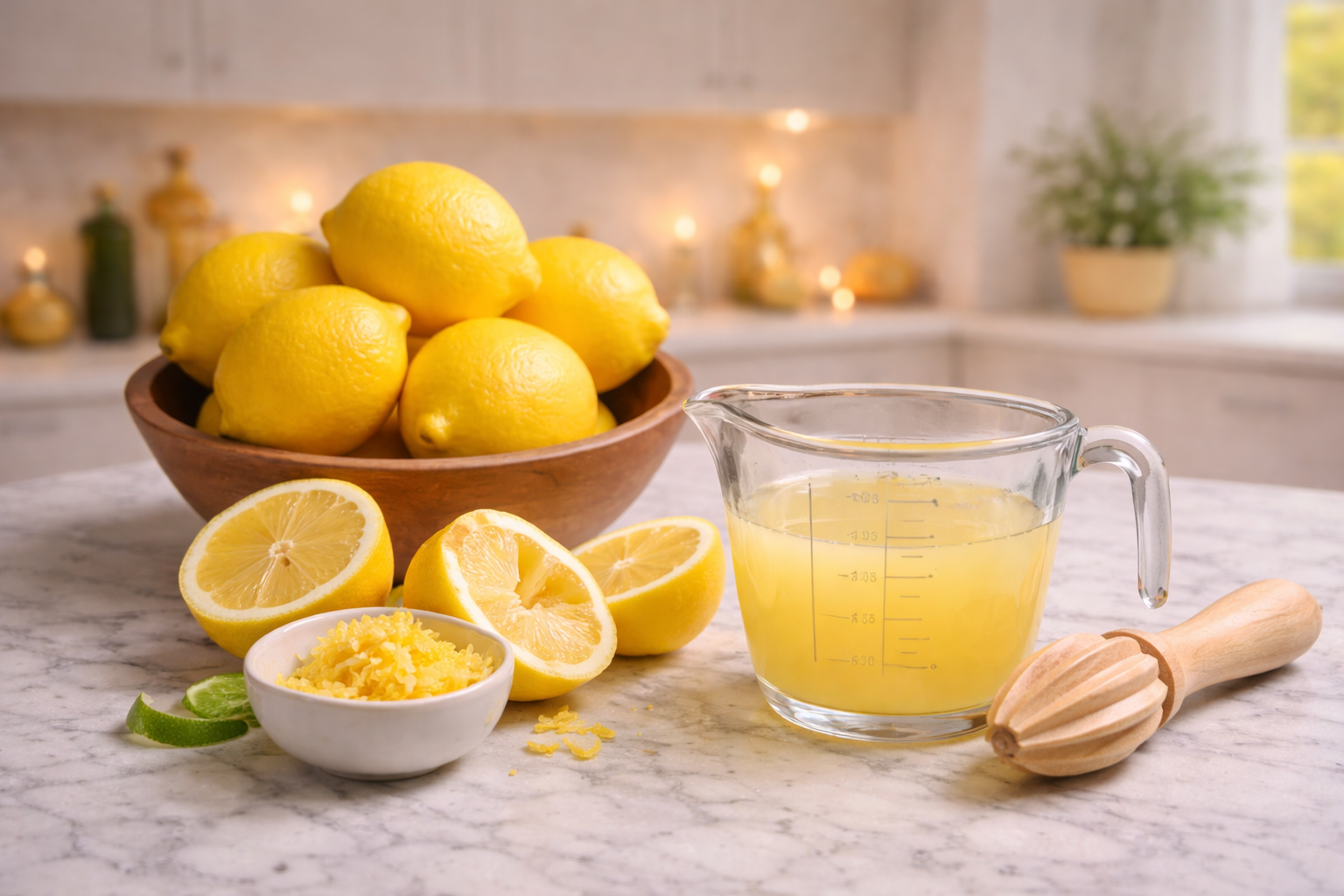
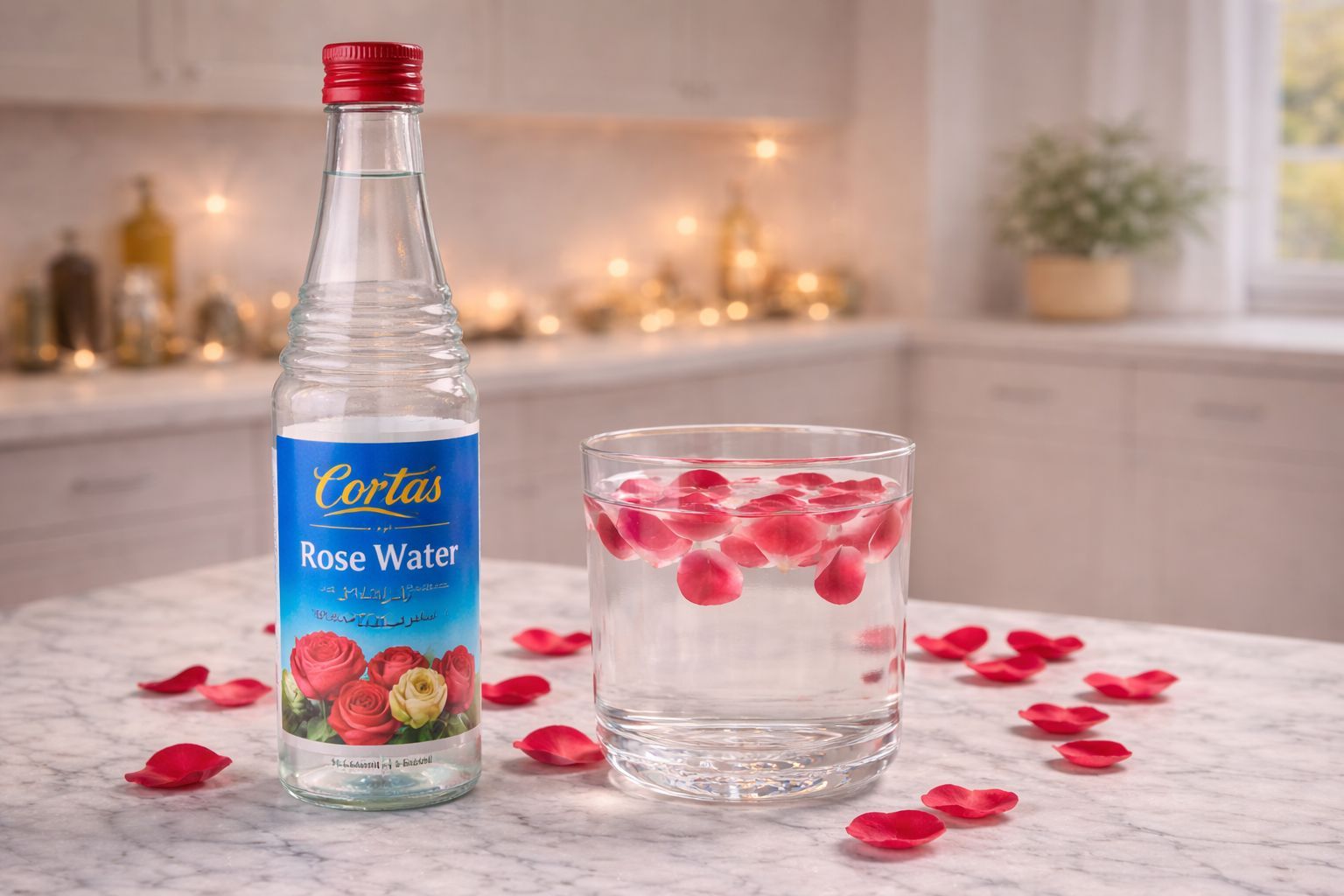


Hibiscus rose lemonade is a seasonal functional beverage that blends the tart richness of hibiscus, the floral bioactives of rose, and the vitamin-rich brightness of lemon. Traditionally consumed in warm and transitional seasons, this drink is gaining scientific attention for its antioxidant, cardiovascular, metabolic, and stress-supportive properties.

This article explores the evidence-based health benefits of hibiscus rose lemonade and explains why it is an ideal seasonal wellness drink.
Key Ingredients & Health Benefits


Hibiscus (Hibiscus sabdariffa)
Hibiscus calyces are rich in:
- Anthocyanins (delphinidin and cyanidin derivatives)
- Flavonoids and phenolic acids
- Organic acids (hibiscus acid)
These compounds are responsible for hibiscus’ deep red color and strong antioxidant capacity.

Lemon (Citrus limon)
Lemon juice provides:
- Vitamin C
- Citrus flavonoids (hesperidin, eriocitrin)
- Citric acid

Together, these nutrients support immune defense, collagen synthesis, and digestive function.

Rose Water (Rosa damascena)
Rose petals contain:
- Polyphenols
- Flavonoids
- Terpenes such as citronellol and geraniol
These bioactives contribute anti-inflammatory, antimicrobial, and neurocalming effects.

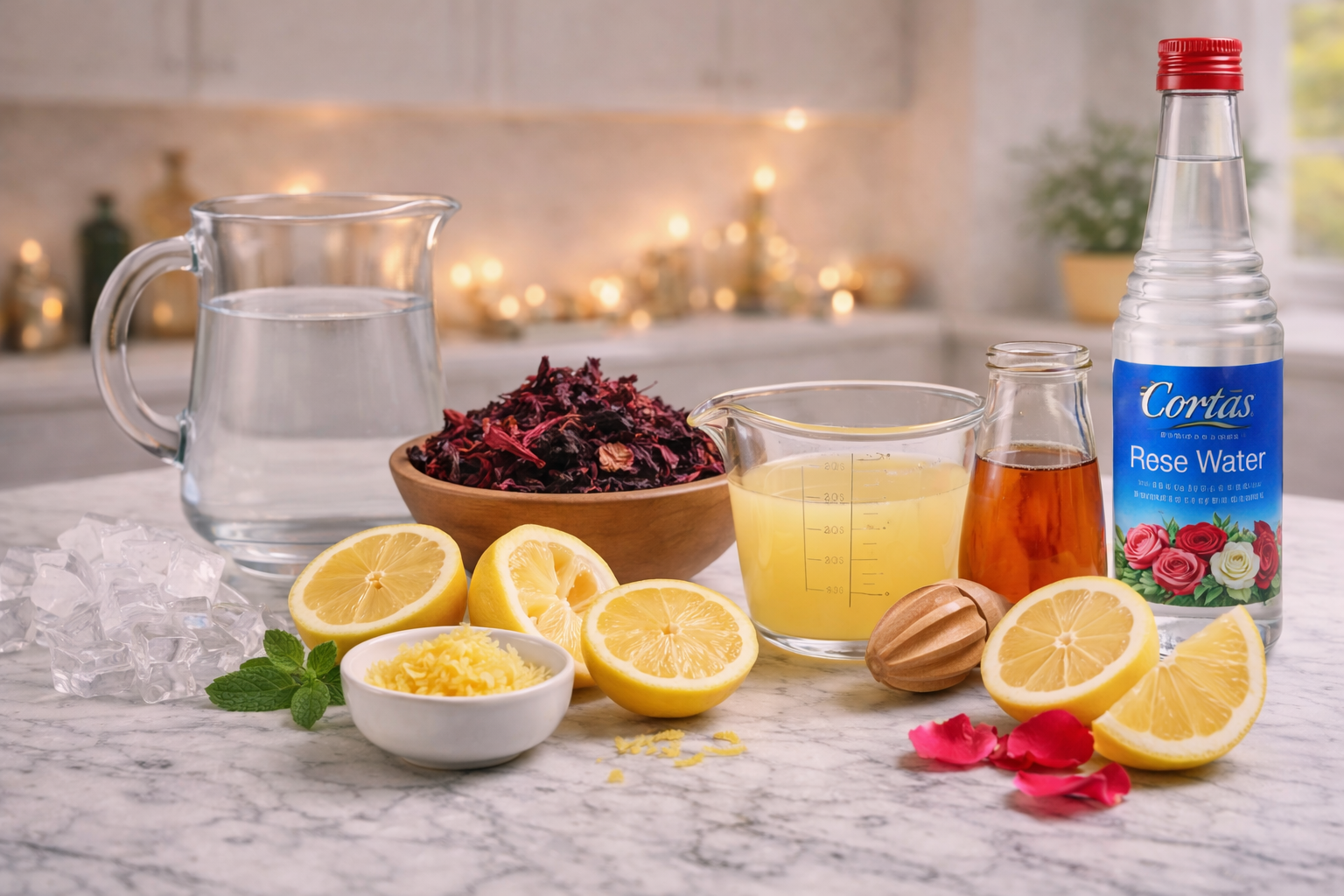
Ingredients (Serves 4)
- 2 cups water
- 2 tablespoons dried hibiscus flowers (Hibiscus sabdariffa)
- ½ cup freshly squeezed lemon juice
- 2–3 tablespoons raw honey or maple syrup (adjust to taste)
- 1 teaspoon food-grade rose water
- Ice cubes
- Optional garnish: fresh mint, lemon slices, edible rose petals
Note: Raw honey provides additional polyphenols, while maple syrup offers a lower glycemic alternative.
Rose water quality: Always use culinary-grade rose water free from artificial fragrance compounds.
👉Shop Rose Petals

Instructions
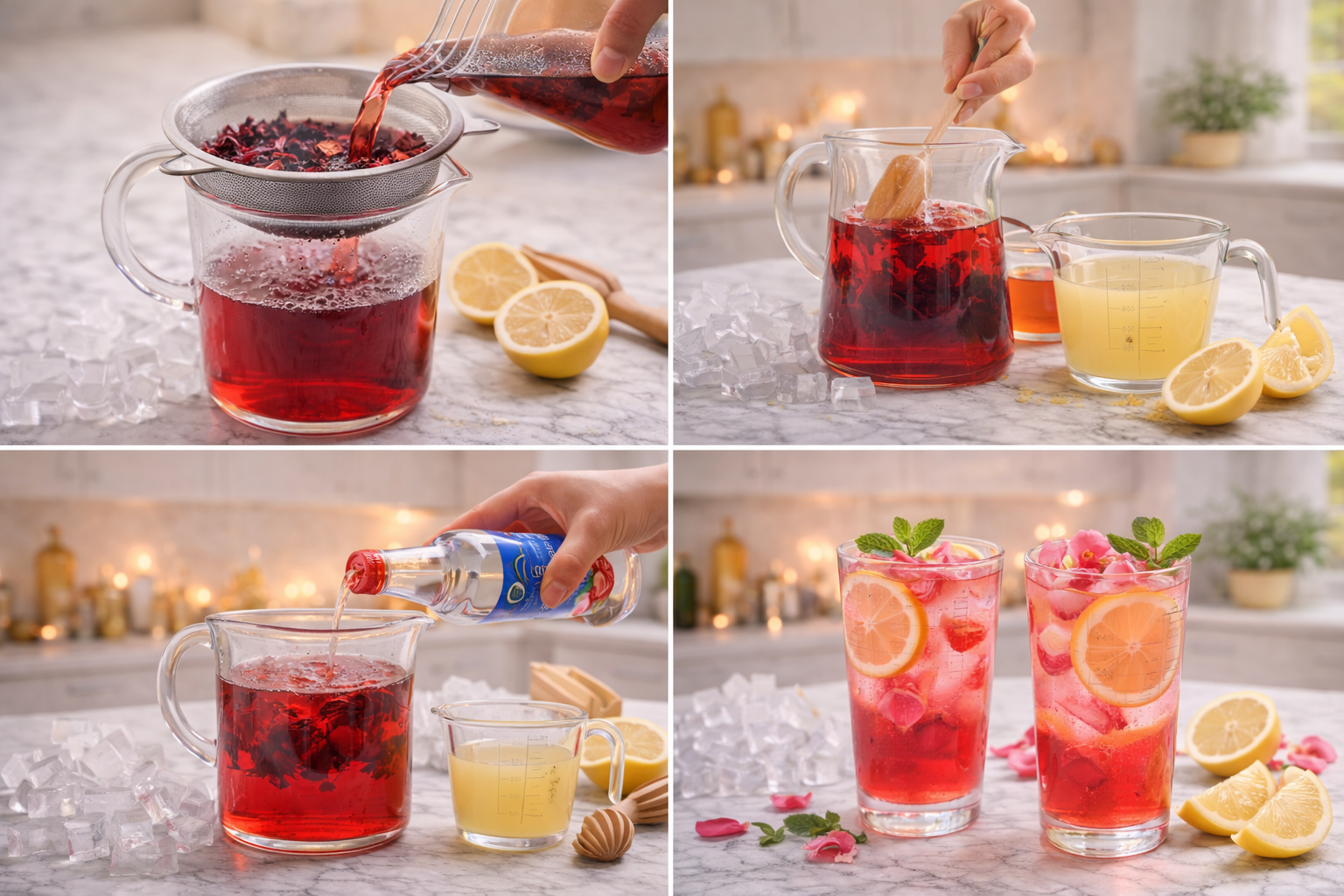
- Prepare the hibiscus infusion
Bring 2 cups of water to a gentle boil. Add dried hibiscus flowers, remove from heat, and steep for 10–15 minutes. Strain and allow the tea to cool completely. - Combine the base ingredients
In a pitcher, mix the cooled hibiscus tea with freshly squeezed lemon juice and sweetener. Stir until fully dissolved. - Add rose water carefully
Stir in rose water a few drops at a time, tasting as you go. Rose water is potent, and a small amount provides optimal flavor and benefits. - Serve chilled
Add ice and garnish as desired. Serve immediately or refrigerate for up to 48 hours.
Cold infusion option: Steep hibiscus overnight in cold water to preserve heat-sensitive antioxidants.
Antioxidant Protection and Seasonal Immunity
Seasonal transitions particularly warmer months can increase oxidative stress due to heat exposure, dehydration, and environmental pollutants. Hibiscus anthocyanins demonstrate high free-radical scavenging activity, reducing oxidative damage at the cellular level. Vitamin C from lemon enhances this protection by regenerating oxidized antioxidants, while rose polyphenols add anti-inflammatory support. This synergy makes hibiscus rose lemonade a protective seasonal antioxidant drink.
Health relevance: Antioxidant intake is associated with improved immune resilience, reduced inflammation, and slower cellular aging.
Cardiovascular and Blood Pressure Support. Clinical studies have shown that regular hibiscus tea consumption may:
- Reduce systolic and diastolic blood pressure
- Improve vascular elasticity
- Decrease LDL cholesterol oxidation
These effects are partly mediated by:
- Angiotensin-converting enzyme (ACE) inhibition
- Nitric oxide-driven vasodilation
As temperatures rise, cardiovascular strain increases; hibiscus rose lemonade offers a hydrating, heart-supportive seasonal option.

Metabolic Health and Hydration Benefits
Hibiscus polyphenols influence:
- Glucose metabolism
- Lipid absorption
- Insulin sensitivity
Lemon’s citric acid supports digestive enzyme secretion, while rose water has traditionally been used to ease bloating and digestive discomfort. When served chilled, this drink promotes hydration without added sugars, supporting metabolic balance during warmer seasons.
Stress Regulation and Nervous System Support: Rose water has demonstrated mild anxiolytic effects, working through both biochemical pathways and olfactory stimulation. Inhalation and ingestion of rose compounds may reduce cortisol levels and activate parasympathetic nervous system responses.
Seasonally, when routines shift and stress increases, hibiscus rose lemonade offers both physiological calm and sensory relaxation.
Skin Health and Seasonal Glow
Vitamin C plays a central role in:
- Collagen production
- Skin barrier repair
- Photoprotection
Anthocyanins protect skin cells from UV-induced oxidative damage, while rose polyphenols support hydration and elasticity. Regular consumption during sunnier months may contribute to healthier, more resilient skin.
Safety and Consumption Considerations
- Hibiscus may lower blood pressure; individuals taking antihypertensive medication should consume in moderation.
- Use only food-grade rose water without synthetic fragrance additives.
- Moderate intake is recommended during pregnancy.
Hibiscus rose lemonade is more than a refreshing seasonal drink - it is a science-supported wellness beverage. Its unique combination of antioxidants, cardiovascular benefits, metabolic support, stress-regulating properties, and skin-protective nutrients makes it an ideal addition to seasonal health rituals. Enjoyed mindfully, it bridges hydration, nutrition, and holistic well-being in one elegant glass.
Recent Posts