



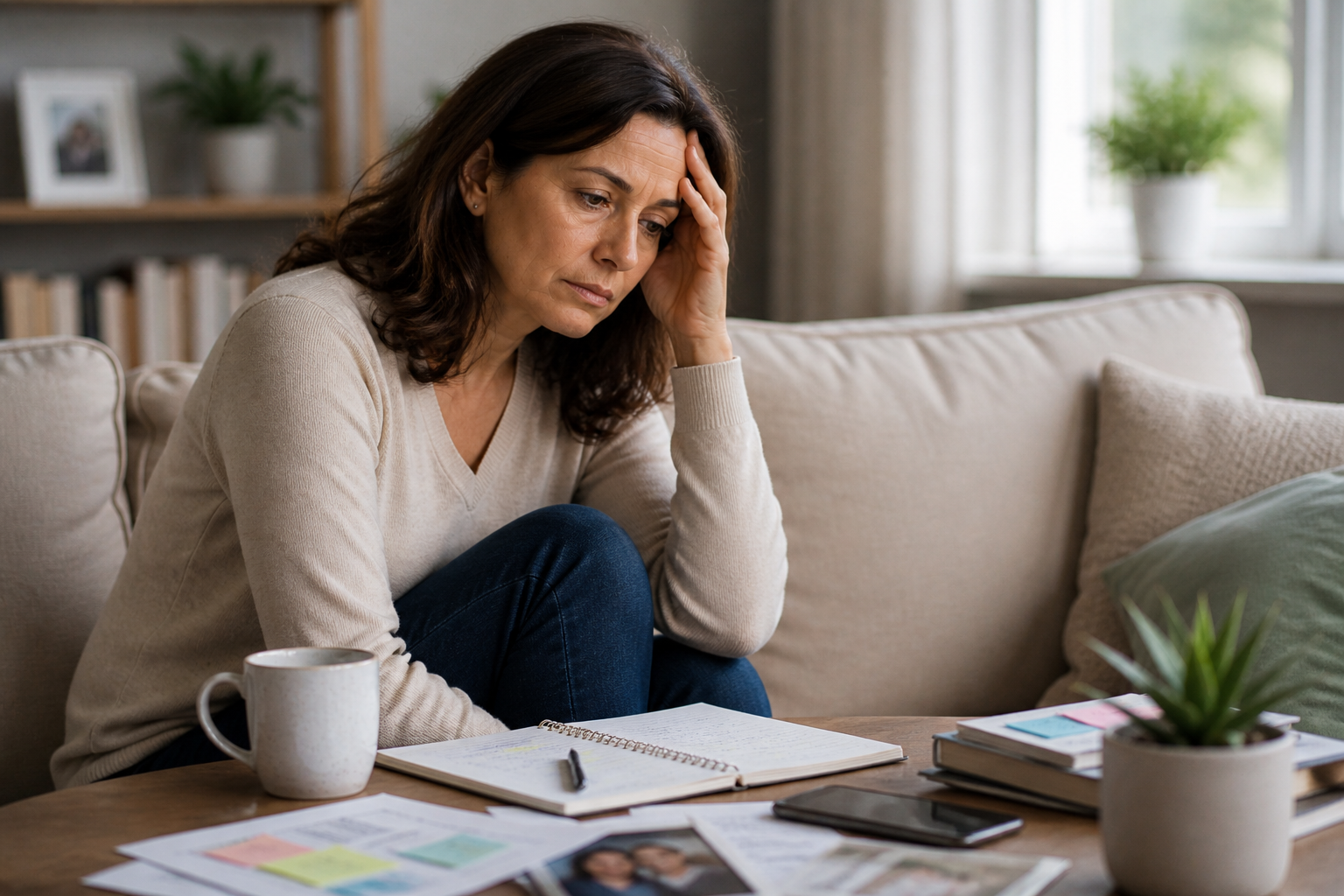
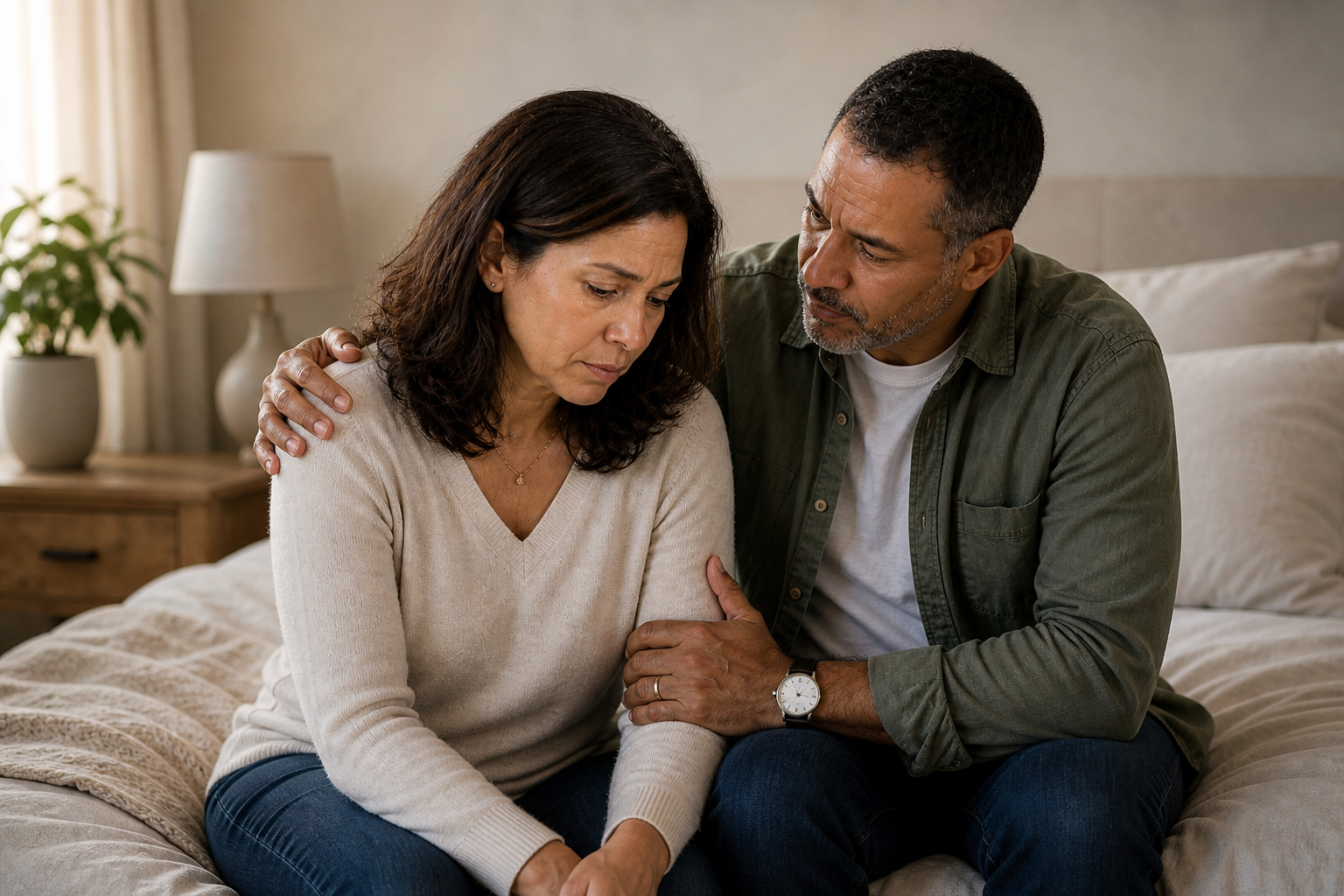
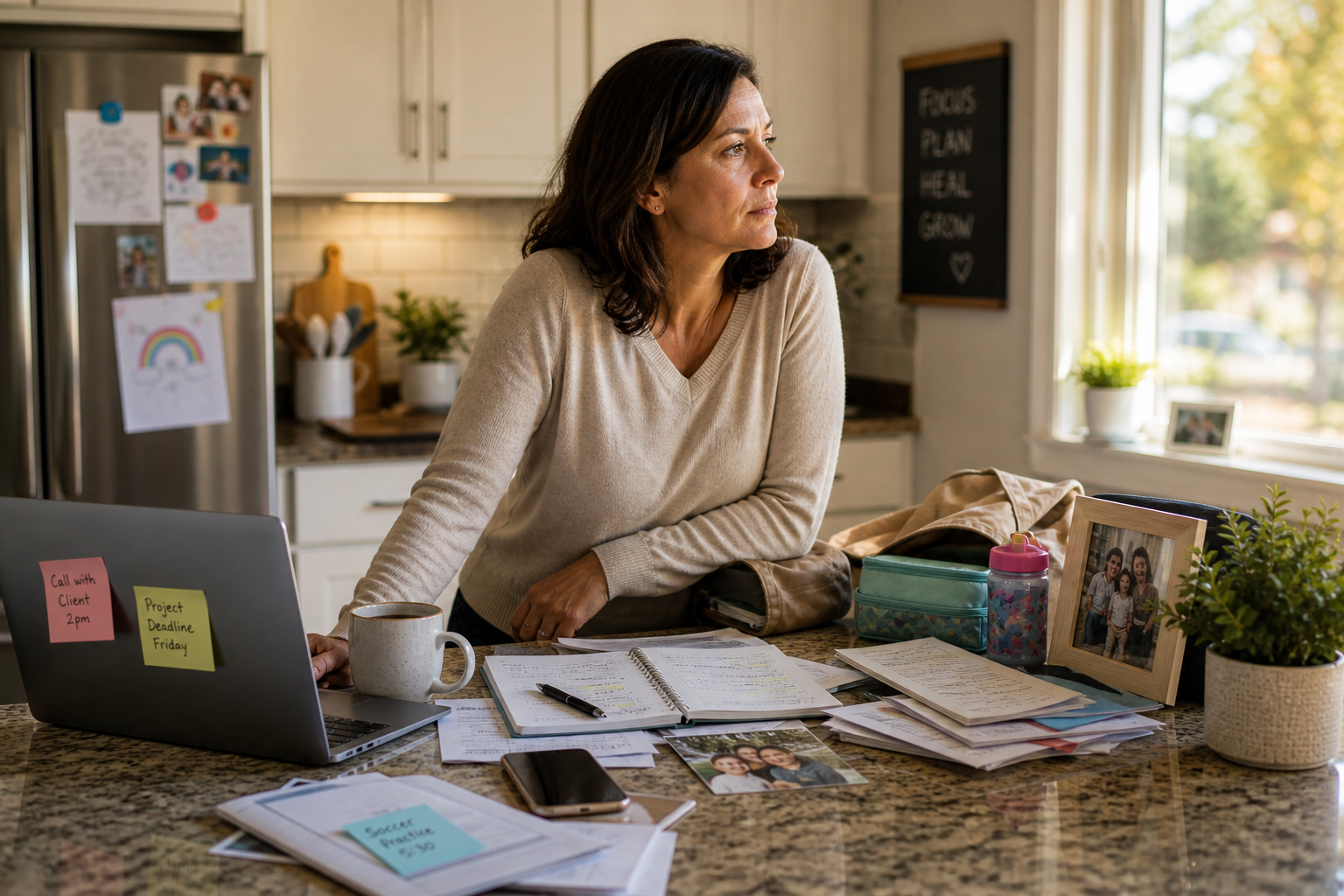
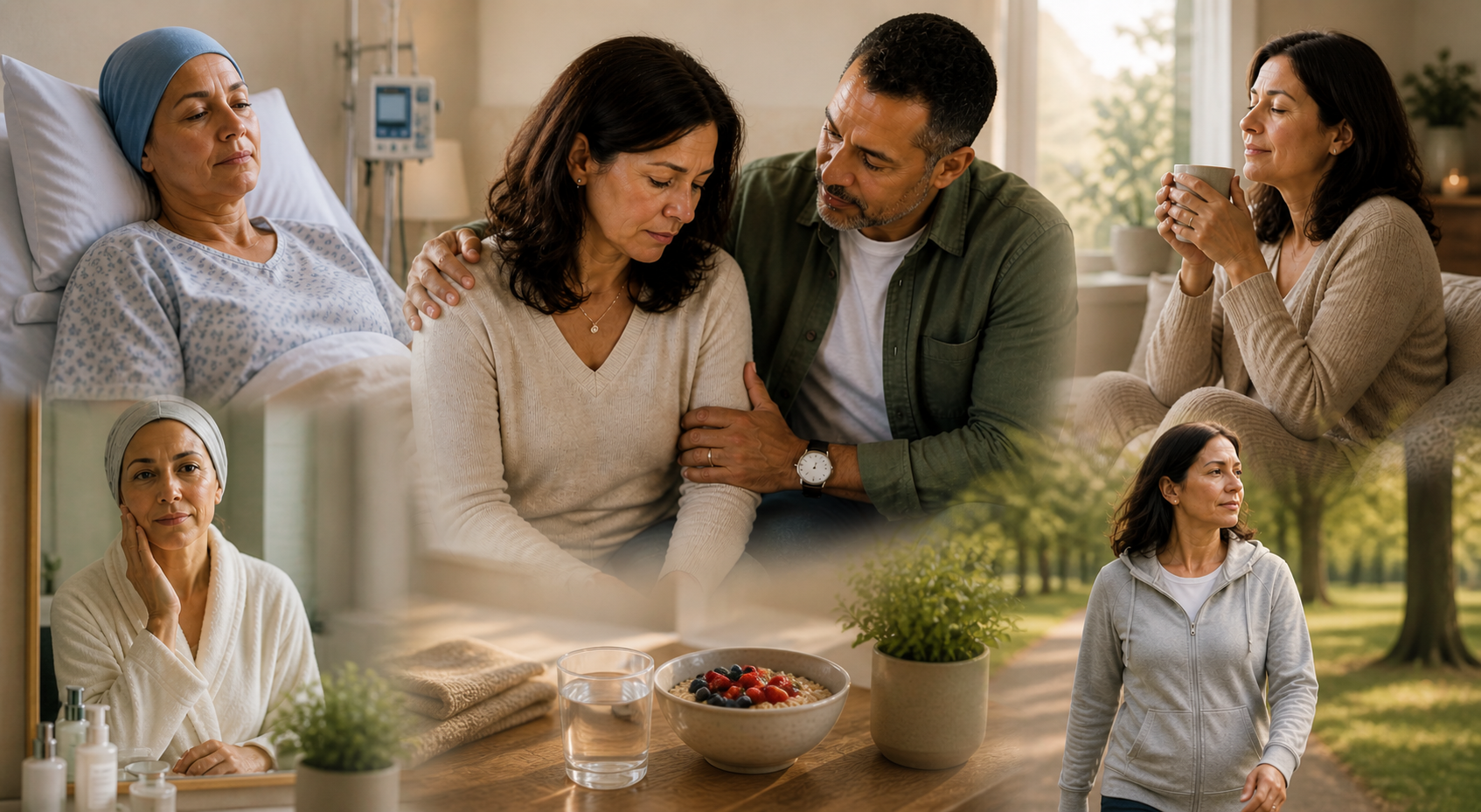







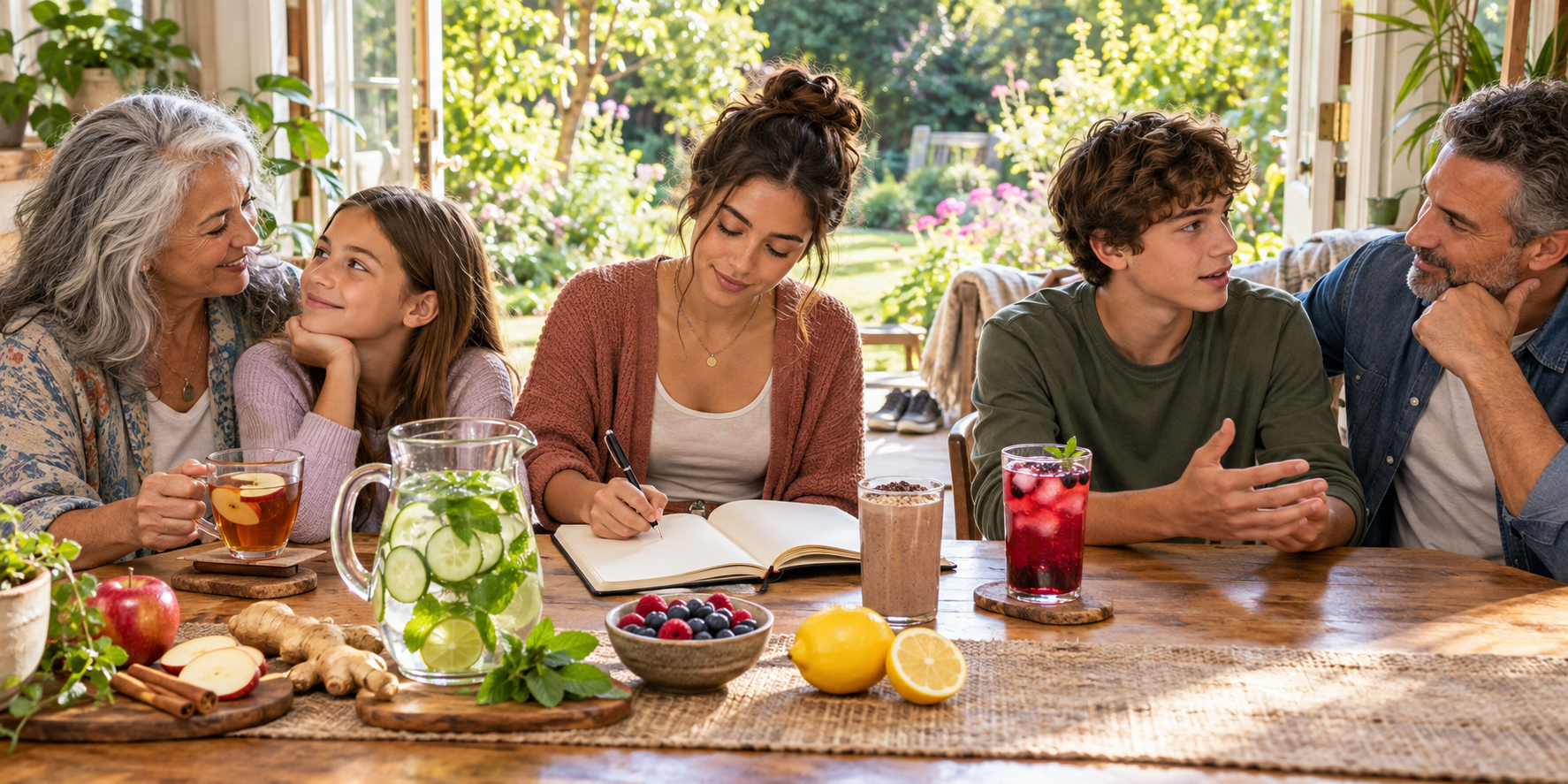
There are moments in life that divide everything into before and after. A cancer diagnosis in midlife is one of them. It doesn’t arrive gently. It interrupts careers, relationships, routines, and identity. It forces decisions you never expected to make — quickly, emotionally, and often under pressure. For many, it feels like life has been paused… while everything else keeps moving.
At 1GlowWithin, we believe healing is not just physical. It’s emotional, relational, financial, and deeply personal.

“Glow isn’t just skincare. It starts with how you care for your body and mind.”
The Shock of Being Stopped in Your Tracks

Midlife is often when people feel they are finally gaining momentum:
- Career stability
- Financial responsibilities in motion
- Children growing or becoming independent
- Personal identity becoming clearer
Then suddenly everything changes.
A diagnosis can bring:
- Fear of the unknown
- Loss of control
- Urgency in decision-making
- Emotional shock and disbelief
Many describe it as:
- “My life didn’t feel like mine anymore.”
The Financial Weight No One Prepares You For

Cancer is not just a health battle it’s often a financial one.
Costs may include:
- Diagnostics and scans
- Surgery and hospital stays
- Chemotherapy, radiation, medications
- Ongoing aftercare and monitoring
- Lifestyle adjustments and supplements
Even with insurance, many face:
- Loss of income
- Reduced work capacity
- Unexpected long-term expenses
This creates a heavy emotional layer:
- Anxiety about money
- Guilt about being a “burden”
- Fear of long-term financial instability
The Emotional and Mental Toll

Cancer doesn’t just affect the body — it deeply impacts the mind.
Common emotional experiences:
- Depression
- Anxiety
- Fear of recurrence
- Loss of identity
- Emotional fatigue
There is also a silent grief:
- Grief for your previous life
- Grief for your sense of certainty
- Grief for plans that may now change

This is where mental wellness becomes essential — not optional.
The Impact on Relationships and Intimacy
Cancer reshapes relationships.
- Partners often transition into caregivers.
- Families shift roles.
- Children may become more aware — or more distant.
Challenges include:
- Physical changes affecting intimacy
- Emotional disconnect or overwhelm
- Communication breakdown
- Caregiver fatigue

Yet, for some, it also deepens connection:
- More meaningful conversations
- Stronger emotional bonds
- A redefinition of love and support
Career, Identity, and the Pause in Life Direction

Midlife cancer often interrupts:
- Career progression
- Business growth
- Long-term goals

You may face:
- Time away from work
- Reduced productivity
- A shift in priorities
But something else often emerges: A reevaluation of life itself.
Questions like:
- What truly matters now?
- What do I want my life to look like going forward?
- What am I willing to change?
Treatment, Surgery, and the Physical Journey

The physical journey can be demanding:
- Surgery and recovery
- Chemotherapy side effects
- Fatigue and immune challenges
- Changes in appearance and energy
This is where self-care becomes survival care:
- Rest without guilt
- Nourishment that supports healing
- Gentle movement when possible
- Listening to your body deeply
Lifestyle Changes and Alternative Support

Many people begin exploring:
- Anti-inflammatory nutrition
- Stress reduction practices
- Gentle movement (walking, yoga)
- Herbal teas and supportive remedies
While medical treatment remains essential, supportive lifestyle shifts can help:
- Improve energy
- Support immune function
- Reduce stress load
- Enhance emotional resilience
This is not about “quick fixes” — It’s about building a supportive internal environment.
Healing doesn’t happen in isolation — it’s supported by how you care for your mind, body, and daily environment.
These simple tools help you reduce stress, support recovery, and rebuild your energy from within.
Mental Wellness

- Gratitude journal
- Reflection Workbook.
- Therapy/ affirmation cards.
- Adult coloring book.
- Blue-light blocking glasses
relaxation

- Herbal teas.
- Essential oil diffusers.
- Lavender eseential oils
- Magnesium glycinate.
- High-quality candles.
Movement

- Yoga mat.
- Foam roller.
- Resistance bands.
- Supportive walking shoes.
- Hydrating bottles
nourishment
- Anti-inflammatory cookbooks.
- Smoothie blender.
- Glass meal prep containers.
- Herbal teas & blends
Faith, Belief, and Meaning

For many, cancer brings deeper questions:
- Why is this happening?
- What does this mean for my life?
Faith and belief systems can become:
- A source of strength
- A way to process fear
- A grounding force in uncertainty
Whether through religion, spirituality, or personal reflection — finding meaning can be part of healing.

So… How Do You Cope and Move Forward?
There is no single answer. But there are anchors.
1. Accept the Pause — Without Losing Yourself
This is a chapter, not your entire story.
2. Build a Support System
You are not meant to carry this alone:
- Family
- Friends
- Medical teams
- Support groups
3. Redefine Strength
Strength is not “pushing through.”
It’s:
- Resting when needed
- Asking for help
- Being honest about how you feel
4. Focus on What You Can Control
- Nutrition
- Rest
- Mindset
- Daily routines
Small daily actions rebuild stability.
5. Allow Emotional Expression
Suppressing emotions delays healing. Processing them supports it.
6. Reimagine Your Future
Your path may change — but meaning, purpose, and fulfillment are still possible.
Moving Forward, One Step at a Time
A cancer diagnosis in midlife can feel like everything has been taken from you. But over time, many discover something unexpected:
Not the same life — but a deeper, more intentional one.
Healing is not always about returning to who you were. Sometimes, it’s about becoming someone new — stronger, more aware, and more aligned.
Final Thought
You are allowed to grieve.
You are allowed to feel overwhelmed.
You are allowed to pause.
But you are also allowed to move forward — at your own pace.
And even here… there is still a path to glow.