








How to Lower Uric Acid Naturally: Drinks, Foods & Habits That May Help Prevent Gout
Disclosure: This post contains Amazon affiliate links. As an Amazon Associate, 1GlowWithin earns from qualifying purchases, at no extra cost to you.
Gout and uric-acid-related joint pain can flare up during colder months, when we tend to drink less water and eat heavier meals. The good news: everyday habits like staying hydrated, adjusting what you eat and drink, and moving regularly may help keep uric acid levels in a healthier range and lower your risk of painful flare-ups.
This guide explains what affects uric acid and practical steps you can start today, alongside, not instead of, care from your doctor.
What Causes Uric Acid to Build Up?
Uric acid is a natural waste product formed when your body breaks down purines, found in foods like red meats, shellfish, sugary drinks, and alcohol.
Your body removes uric acid mainly through your kidneys. Problems arise when:
- Too much uric acid is produced
- Kidneys cannot eliminate it fast enough
- Crystals form in joints → gout attacks
When levels stay high, uric acid can form sharp crystals in a joint. That’s what causes a gout attack
Things linked to higher uric acid include:
- Not drinking enough fluids
- Sugary drinks and foods high in fructose
- Alcohol, especially beer and spirits
- Large amounts of red meat, organ meats and some seafood
- Extra body weight
- Kidney problems
- Some medications, such as certain diuretics (“water pills”)
- Family history
So the goal isn’t just easing pain. It’s supporting your overall health, kidneys and metabolism over time.
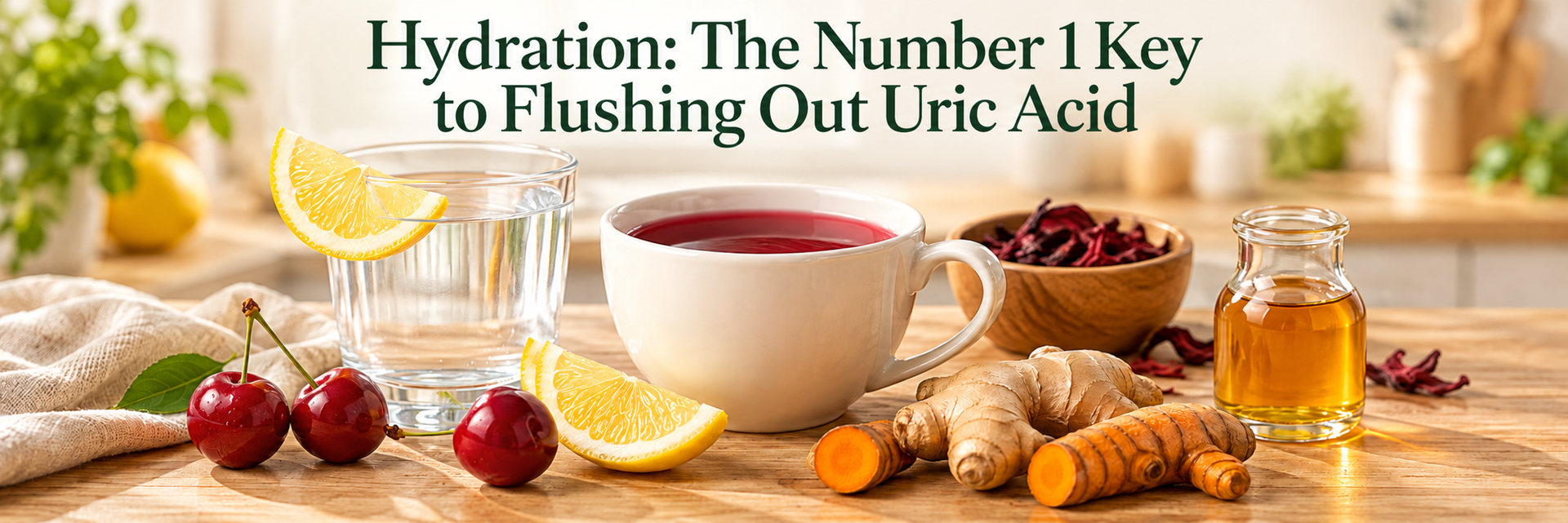
Hydration
Hydration: One of the Simplest Habits for Managing Uric Acid.
Water helps your kidneys clear uric acid. Most people with gout are advised to drink plenty of fluids every day. Ask your doctor how much is right for you, especially if you have heart or kidney conditions.

Hydrating Drinks to Enjoy Daily
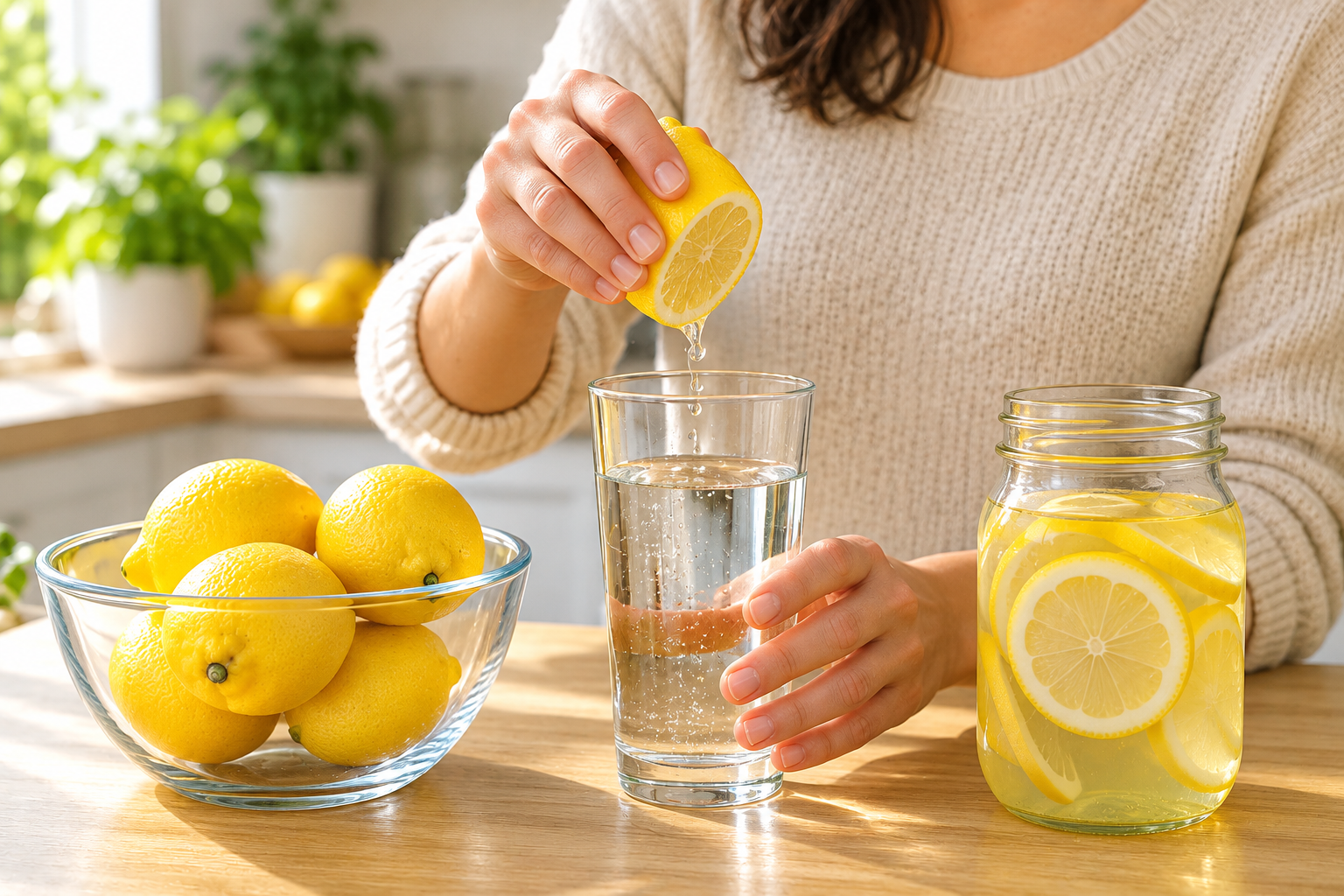
1. Lemon Water
Lemon water adds flavour and can make drinking water more appealing. Hydration supports uric acid removal through urine, but lemon water is not a proven gout treatment. Enjoy it without added sugar, and rinse your mouth with plain water afterward.
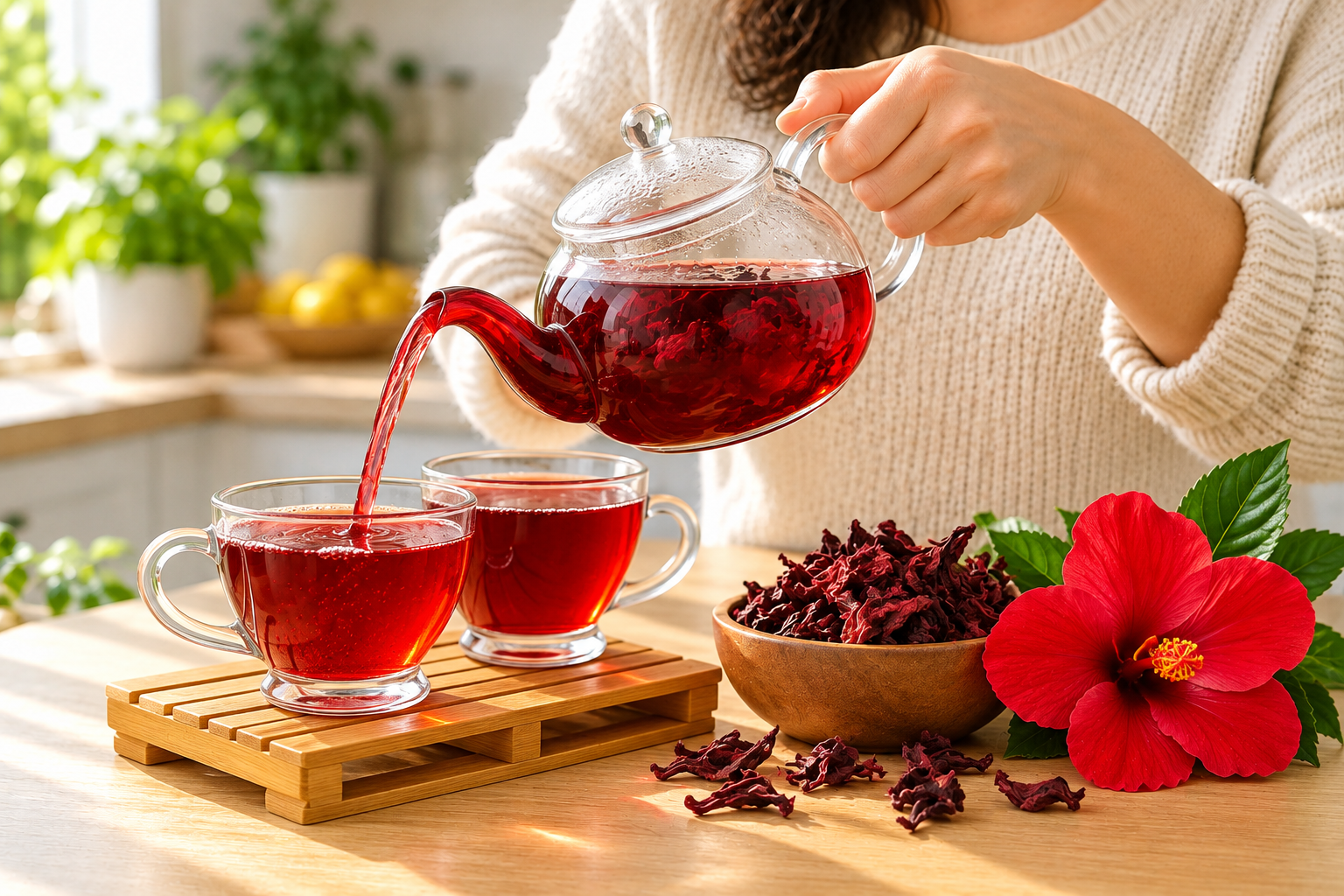
2. Hibiscus Tea
Unsweetened hibiscus tea is a caffeine-free way to add variety to your fluid intake. Research on lowering uric acid is limited, so it should not replace gout treatment. It may lower blood pressure; check with your clinician if you take blood pressure medication.
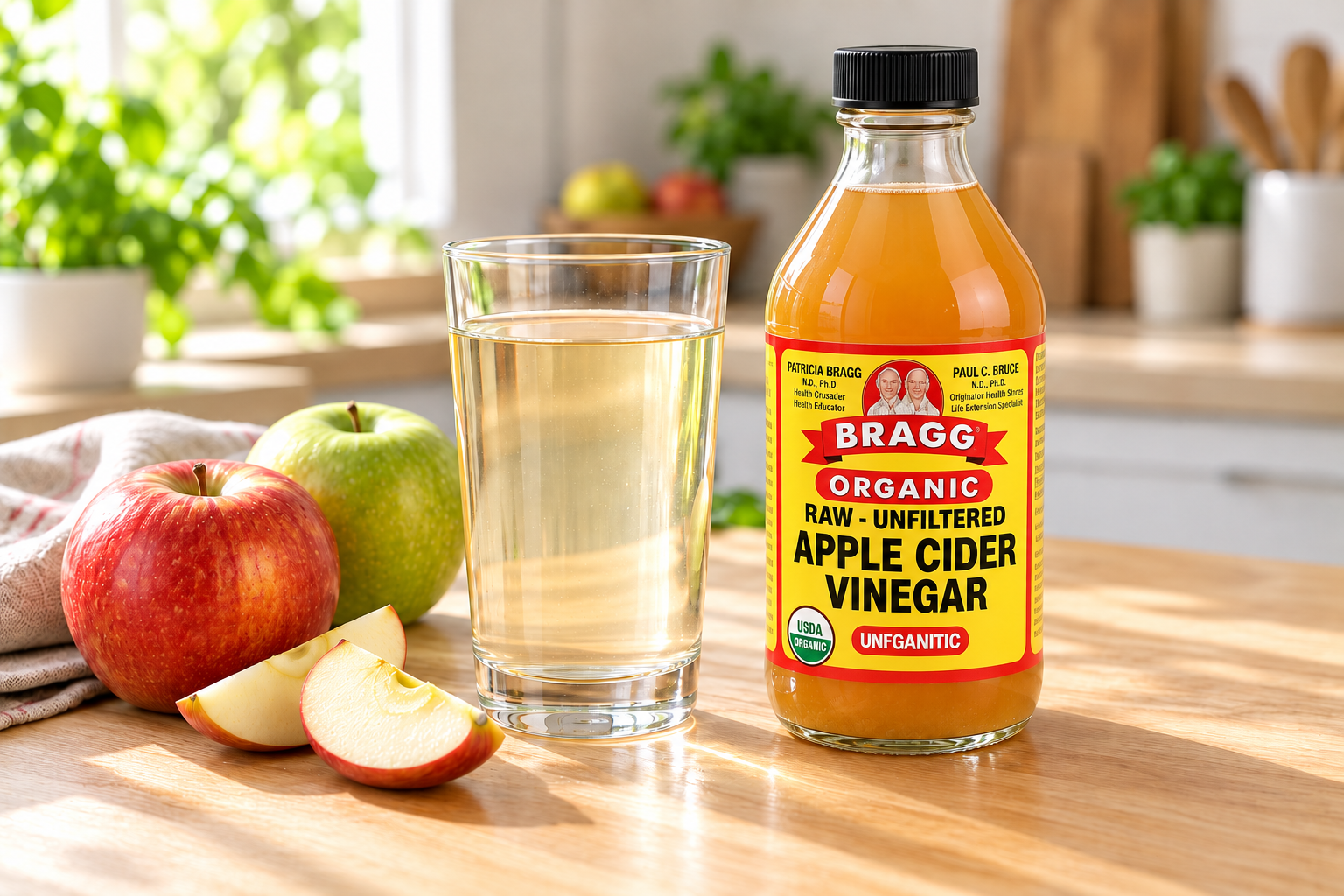
3. Apple Cider Vinegar Water
Apple cider vinegar adds a tangy flavour, but there is no good evidence that it lowers uric acid or prevents gout attacks. If you enjoy it, dilute a small amount in a large glass of water. Never drink it undiluted, as it can damage teeth.
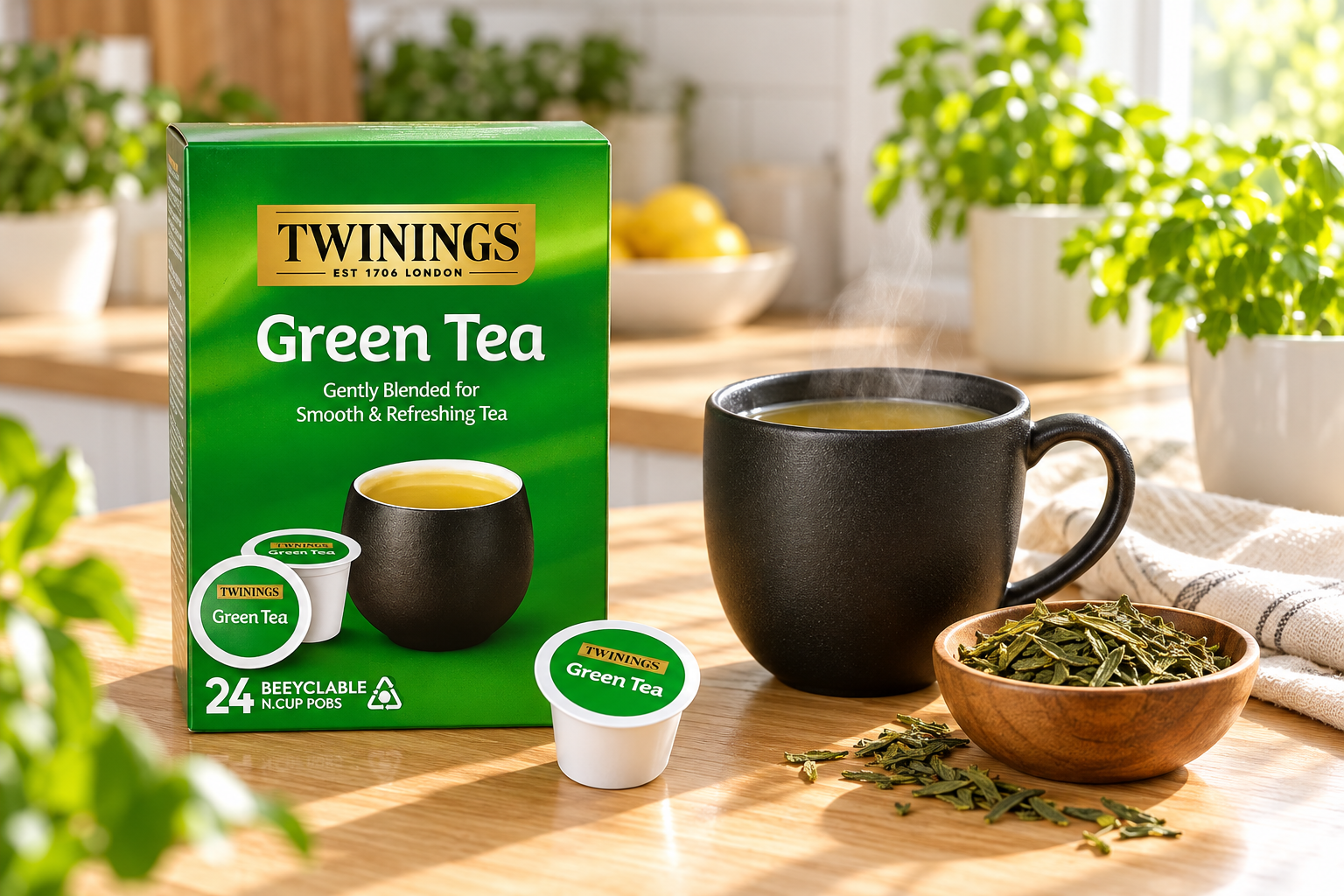
4. Green Tea
Unsweetened green tea contributes to hydration and provides antioxidant compounds. Research on its effects on uric acid is limited, so it is not a proven gout treatment. Enjoy brewed tea without added sugar, and choose decaffeinated varieties if caffeine affects your sleep or comfort.
5. Alkaline or PH Water
Alkaline water provides hydration, but there is no strong evidence it lowers uric acid better than regular water. Plain water is an effective, affordable choice. Choose whichever helps you drink consistently, and follow any fluid restrictions advised by your healthcare professional.
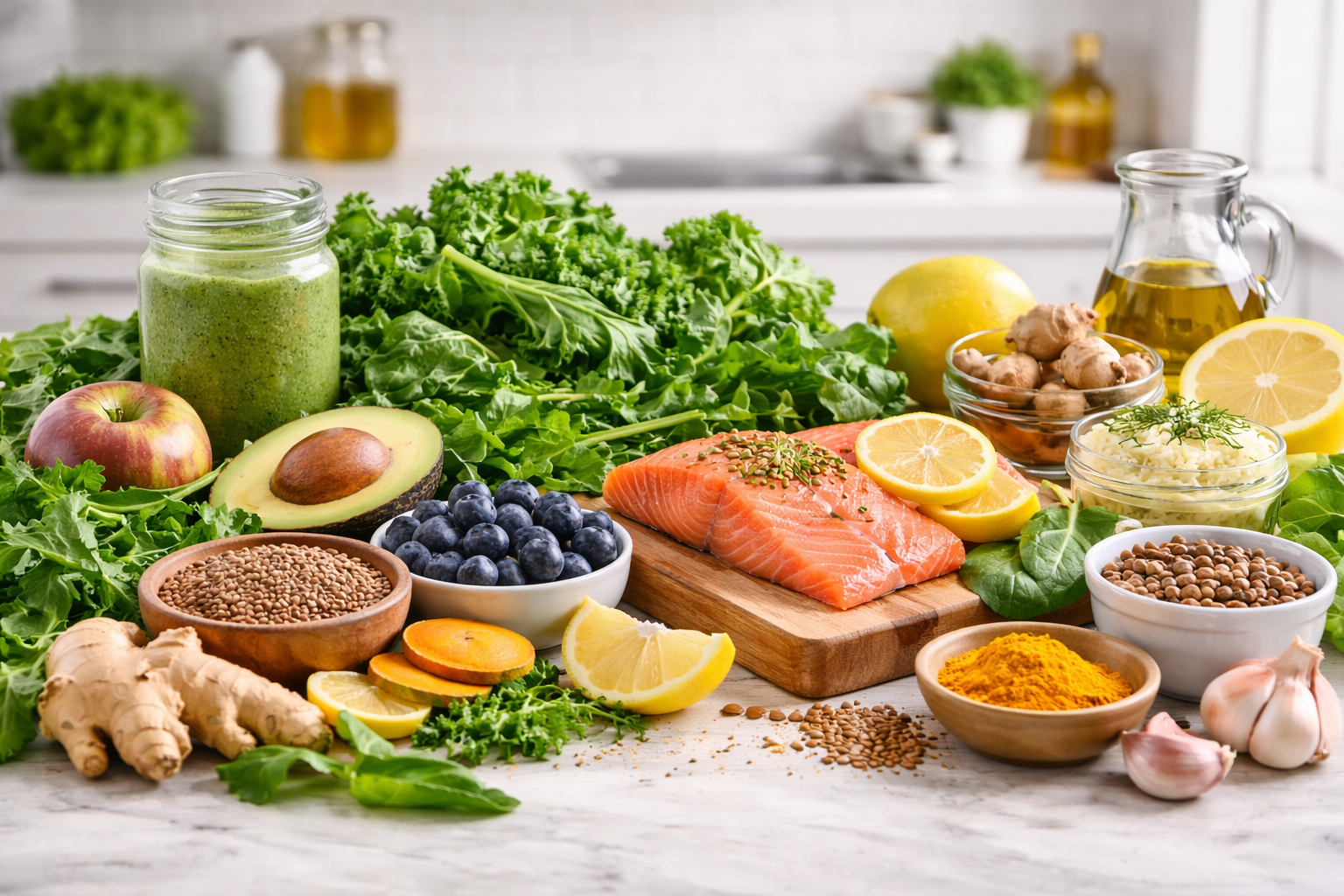
Foods That May Help Lower Uric Acid
Cherries
Some studies link cherries with fewer gout attacks, but they are not a proven replacement for uric acid treatment. Choose fresh or frozen cherries without added sugar and enjoy moderate portions. Whole fruit is a better everyday choice than large servings of juice.
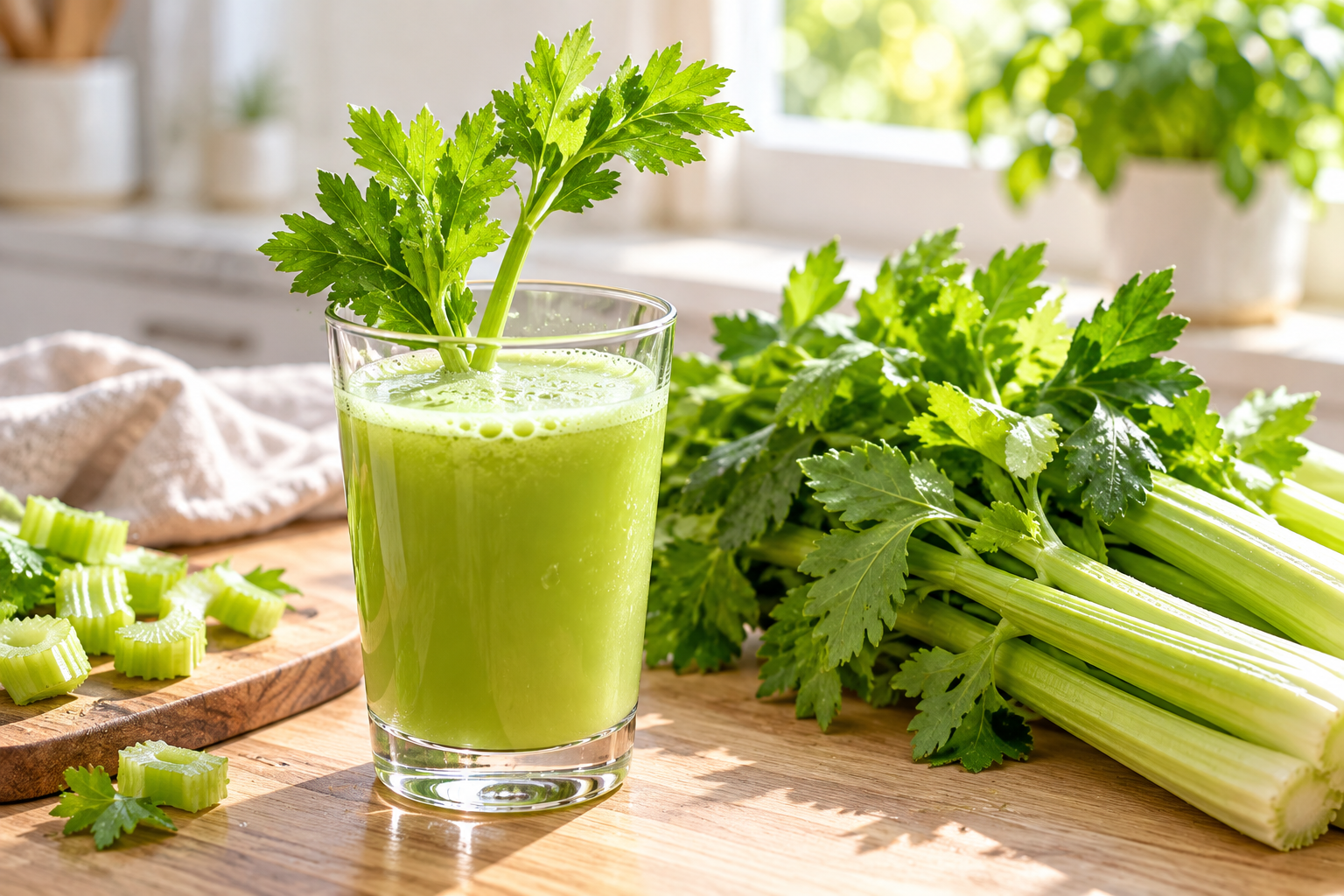
Celery
Celery adds water and fibre to meals and fits into a gout-friendly eating pattern, but it is not proven to lower uric acid or prevent attacks. Enjoy it in salads, soups or as a crunchy snack. Whole celery retains more fibre than strained celery juice.
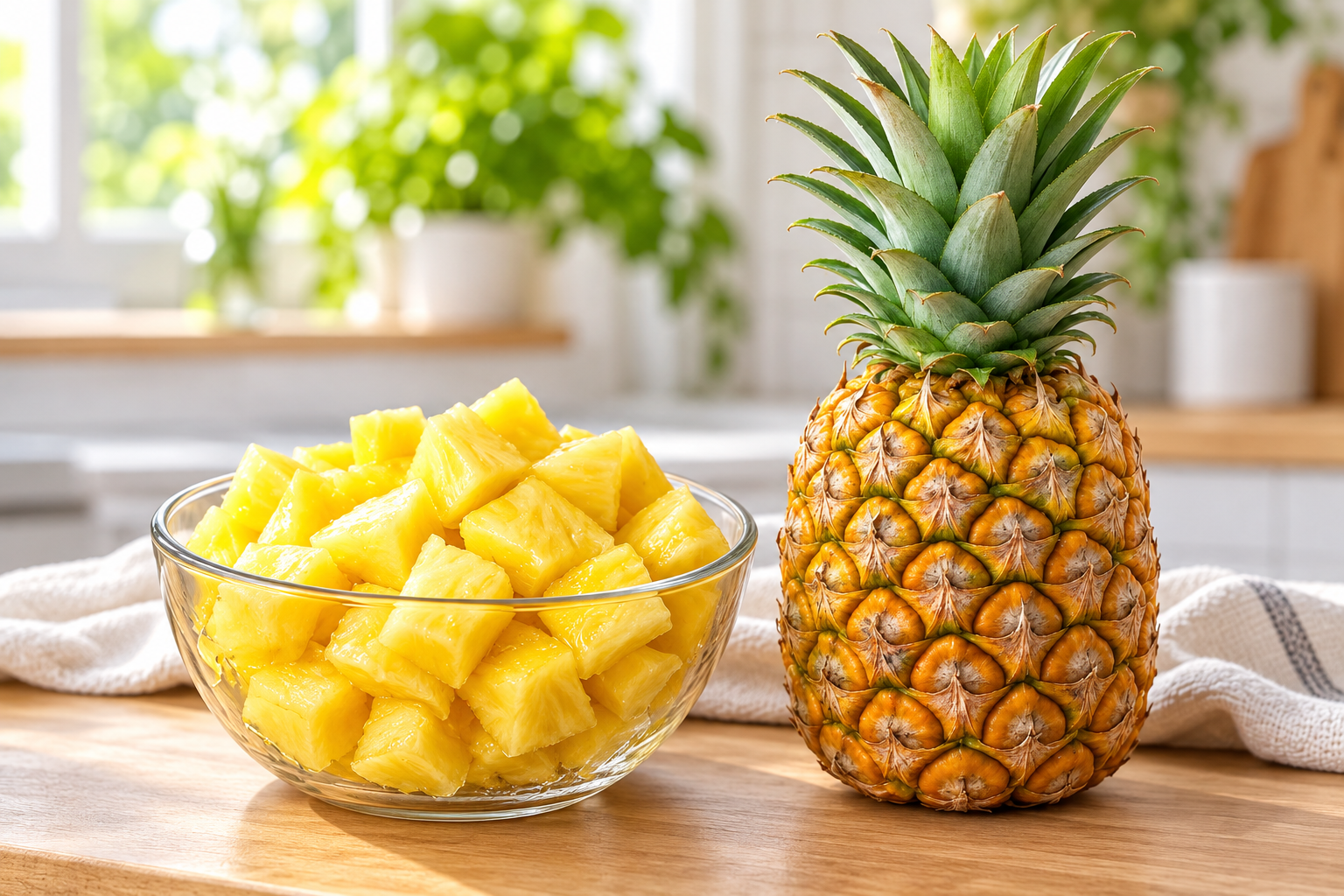
Pineapple
Pineapple provides water and vitamin C and can fit into a gout-friendly diet. Its bromelain has been studied for inflammation, but eating pineapple is not a proven way to lower uric acid.
Enjoy a moderate portion of fresh fruit rather than large servings of juice.
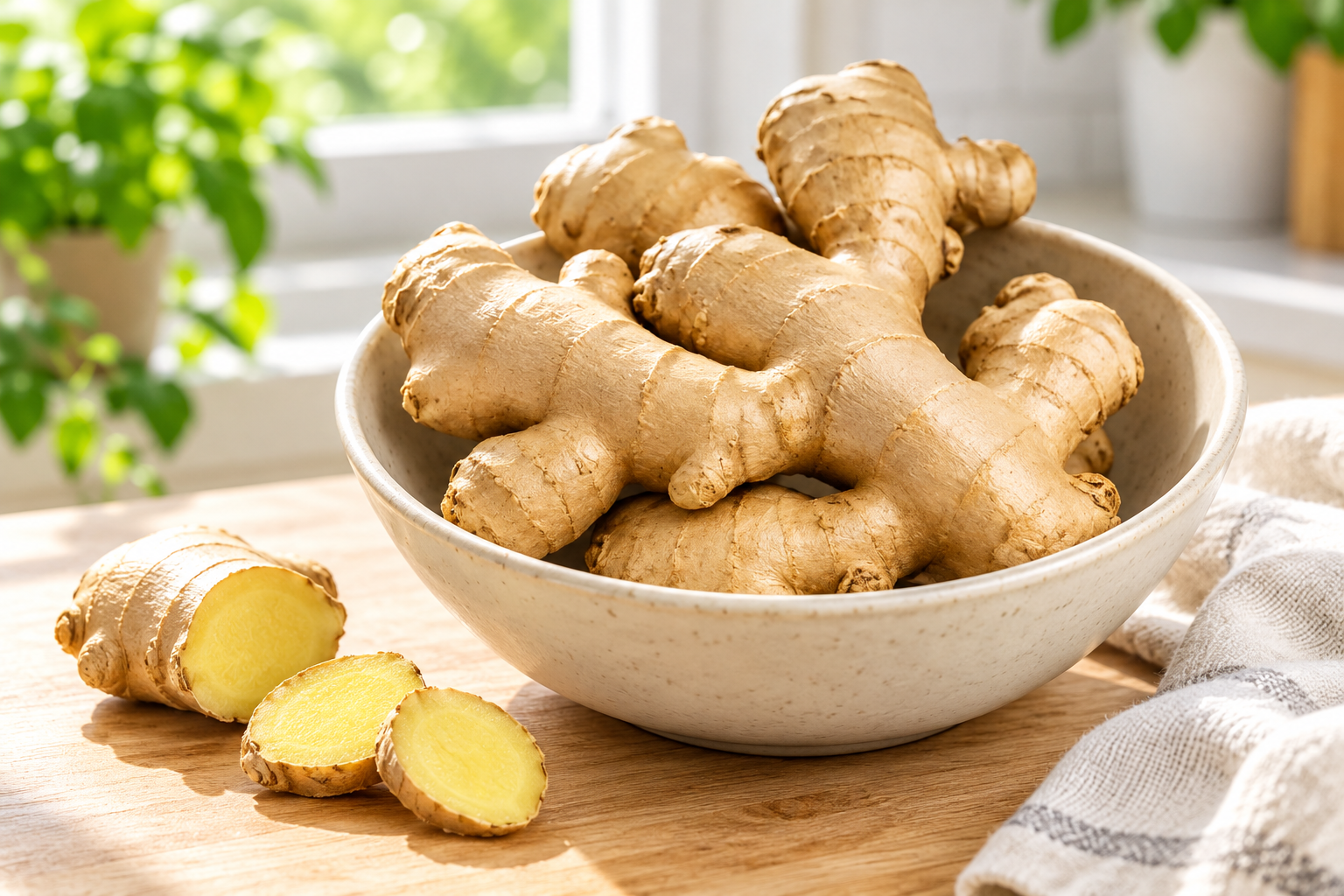
Ginger
Ginger adds flavour to meals and unsweetened drinks without added sugar. Its compounds have been studied for anti-inflammatory effects, but ginger is not a proven treatment for high uric acid or gout.
Enjoy it in cooking or tea as part of a balanced eating pattern.
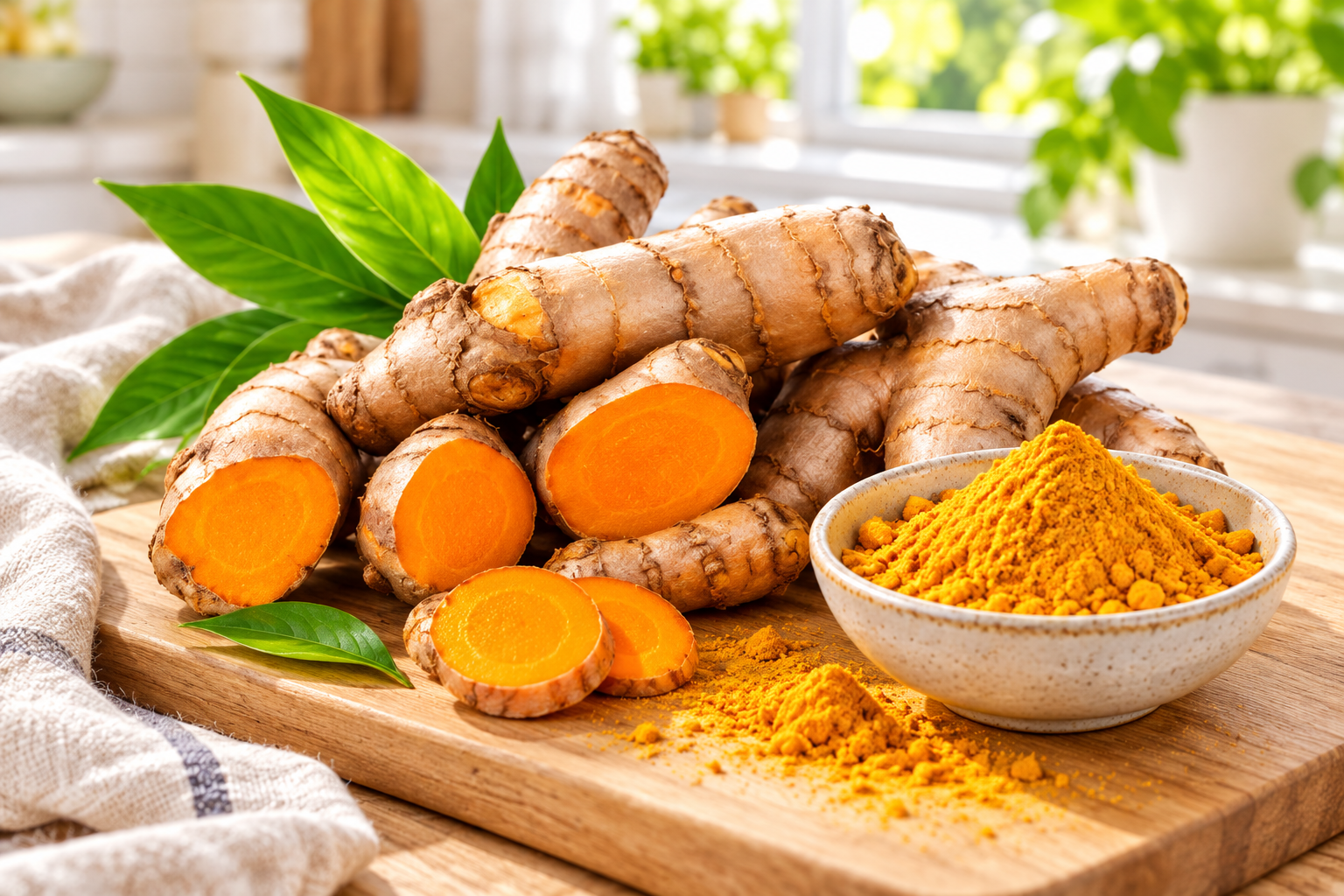
Tumeric
Turmeric contains curcumin, studied for anti-inflammatory effects, but eating it is not proven to lower uric acid or prevent gout attacks. Add it to soups, rice or vegetables as part of balanced meals.
Concentrated turmeric supplements can interact with medications.
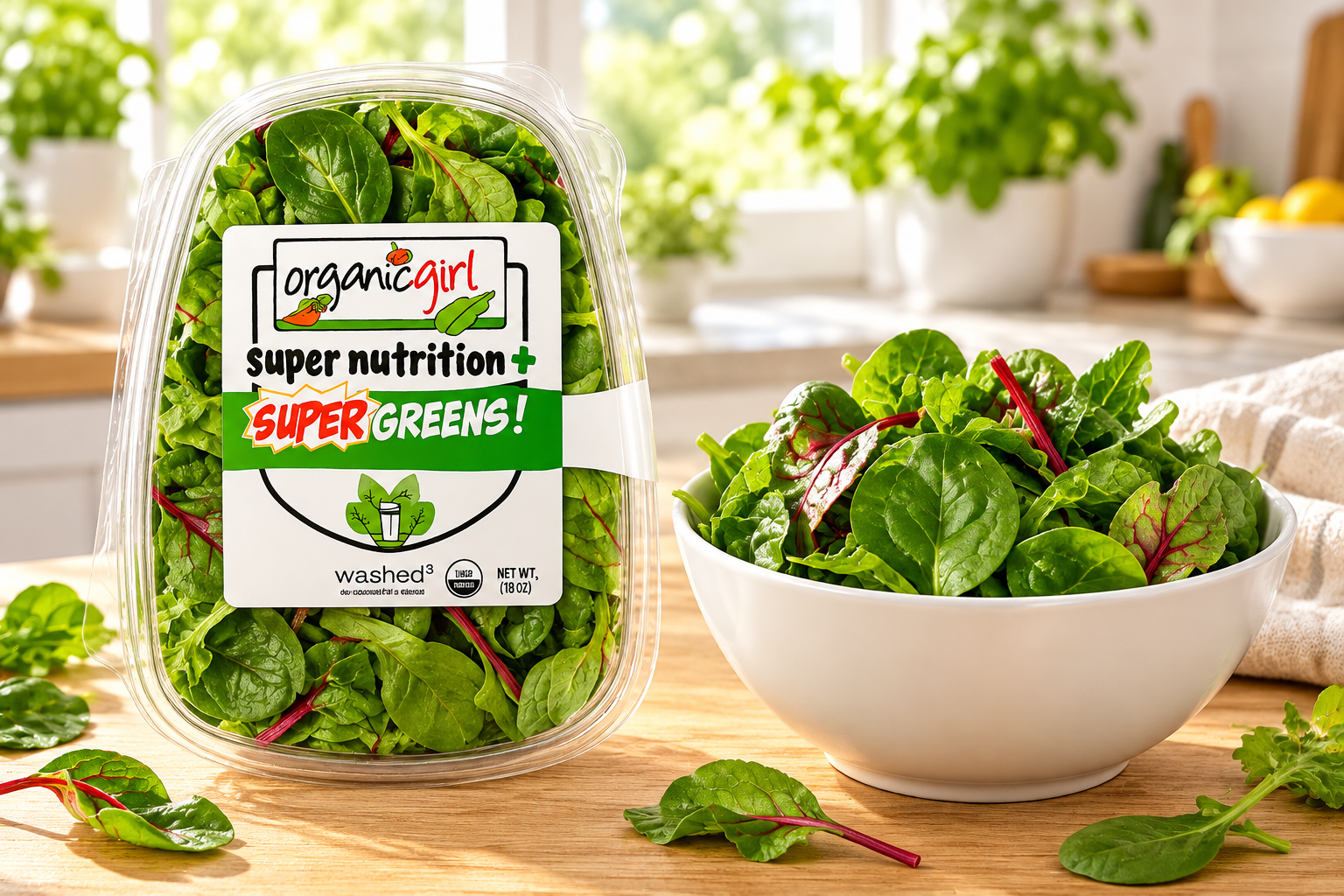
Leafy Greens
Spinach, kale and lettuce provide fibre and nutrients for a gout-friendly diet. Even higher-purine vegetables do not appear to increase gout risk like some meats and seafood.
Enjoy them in salads, soups or cooked meals as part of balanced eating.
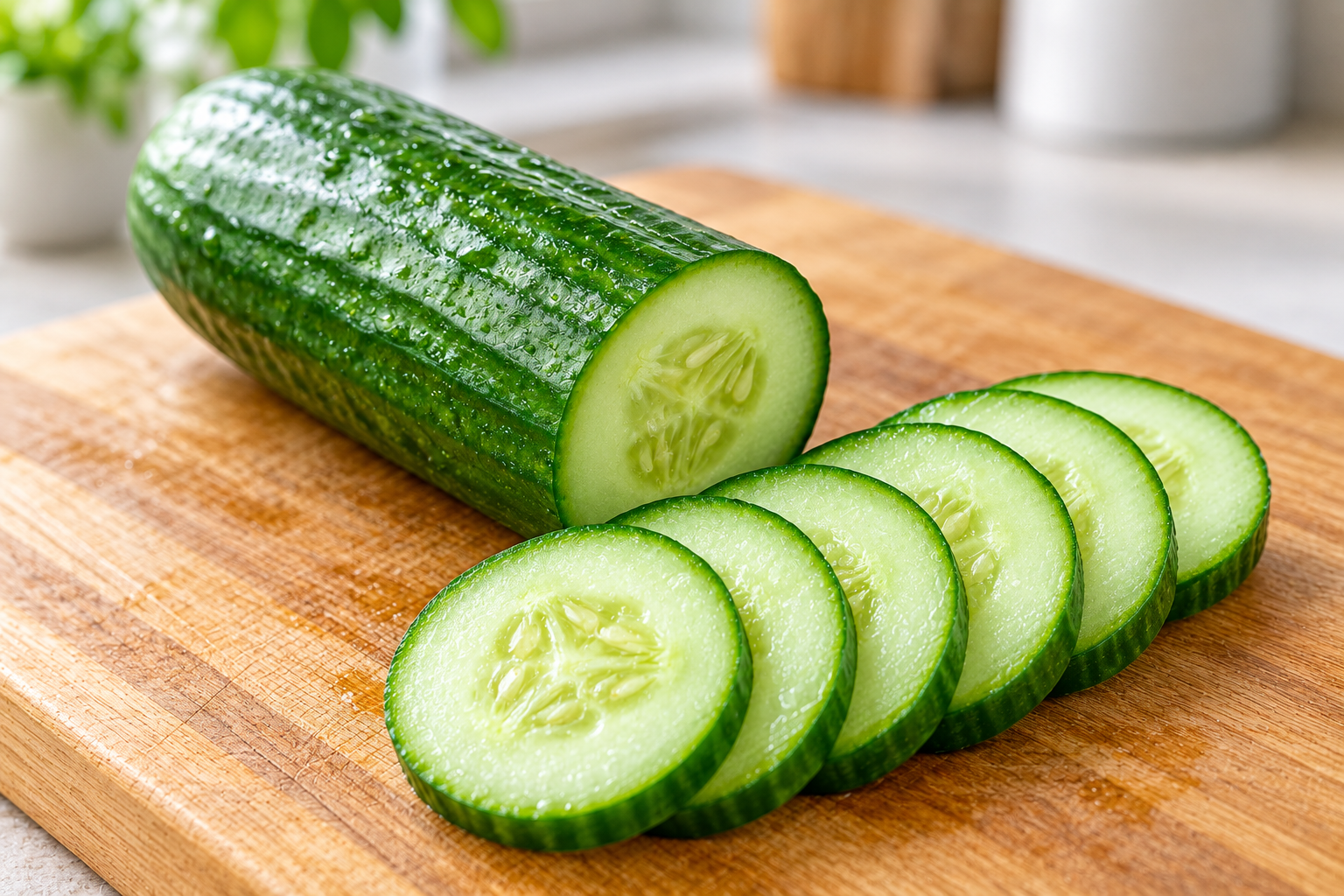
Cucumber
Cucumber adds water to meals and fits well into a gout-friendly eating pattern. Staying hydrated helps your kidneys remove uric acid through urine, although cucumber itself is not a proven uric acid treatment.
Enjoy it sliced, in salads or added to water without sugar.
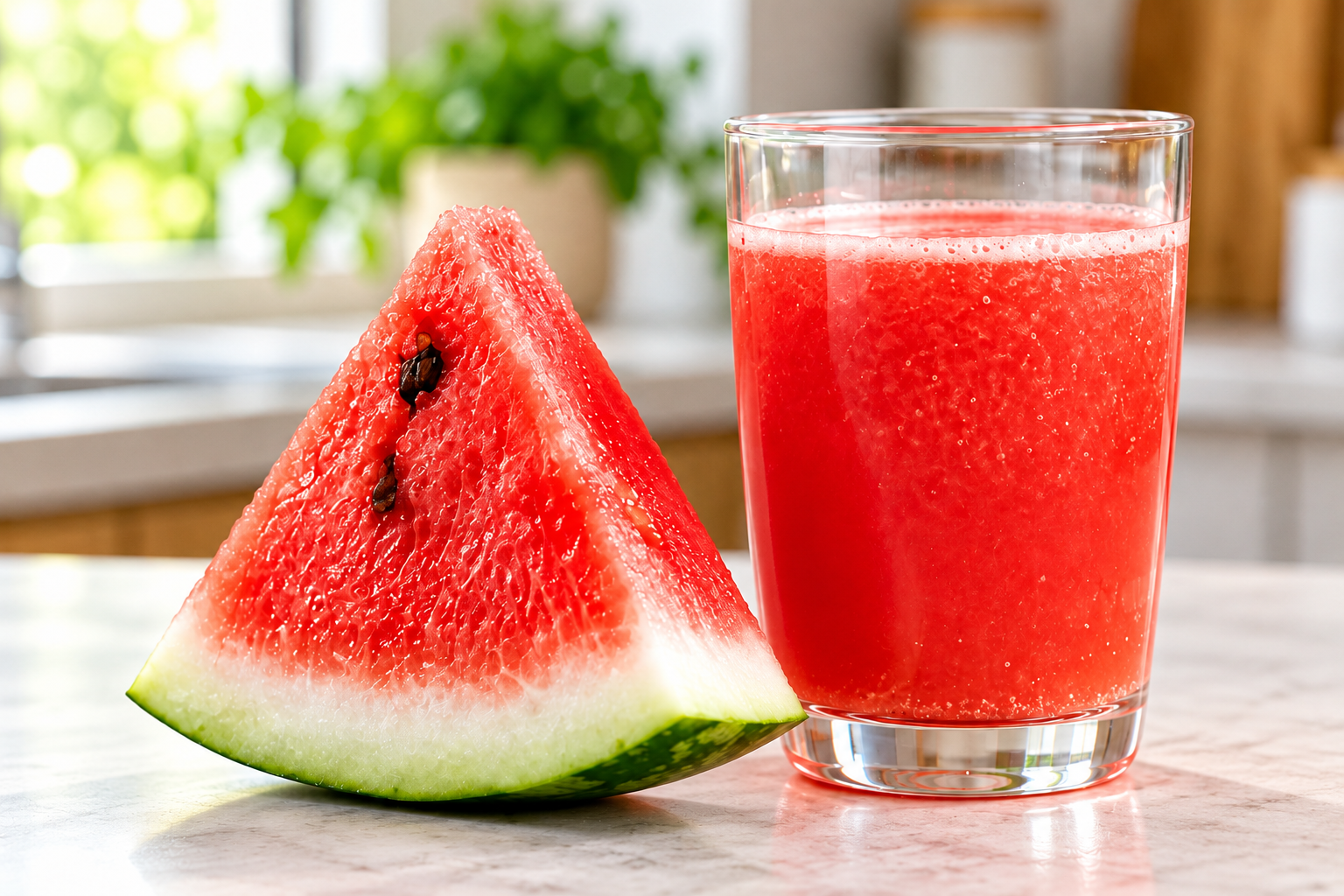
Watermelon
Watermelon adds water to meals and can fit into a gout-friendly eating pattern. Staying hydrated helps your kidneys remove uric acid through urine, although watermelon itself is not a proven uric acid treatment.
Enjoy a moderate portion of fresh fruit rather than large servings of juice.
Other helpful choices: low-fat dairy, coffee (if it agrees with you), whole grains, and foods rich in vitamin C.
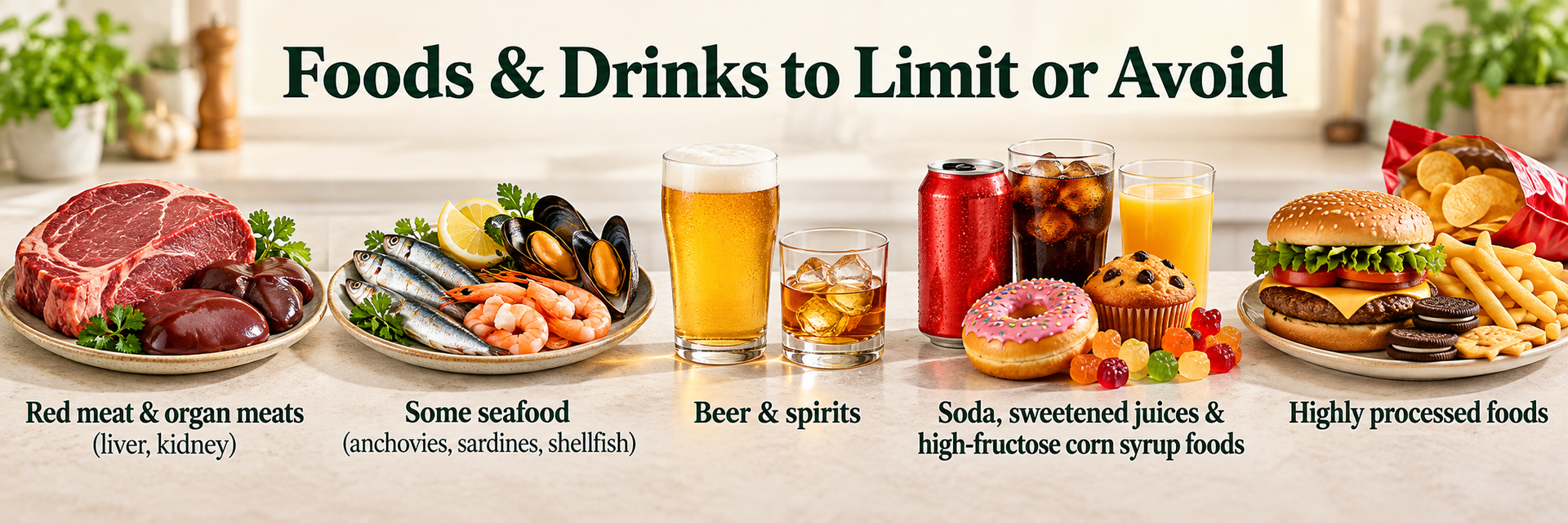
Foods and Drinks to Limit

- Red meat and organ meats (liver, kidney)
- Some seafood (anchovies, sardines, shellfish)
- Beer and spirits
- Soda, sweetened juices and foods with high-fructose corn syrup
- Highly processed foods
Gentle Exercises That May Help
1. Walking (20–30 minutes daily)
Walking supports heart health and weight management as part of ongoing gout care. Start with short, comfortable sessions and build gradually when your joints feel well. Rest during a gout flare, rather than pushing through pain.
2. Rebounding / Vibration Plate
A vibration plate is an optional exercise tool for part of your gout exercise plan , not a proven way to lower uric acid or treat gout. Check with your clinician before use if you have joint or balance concerns. Avoid it during a gout flare, and stop if it causes pain.
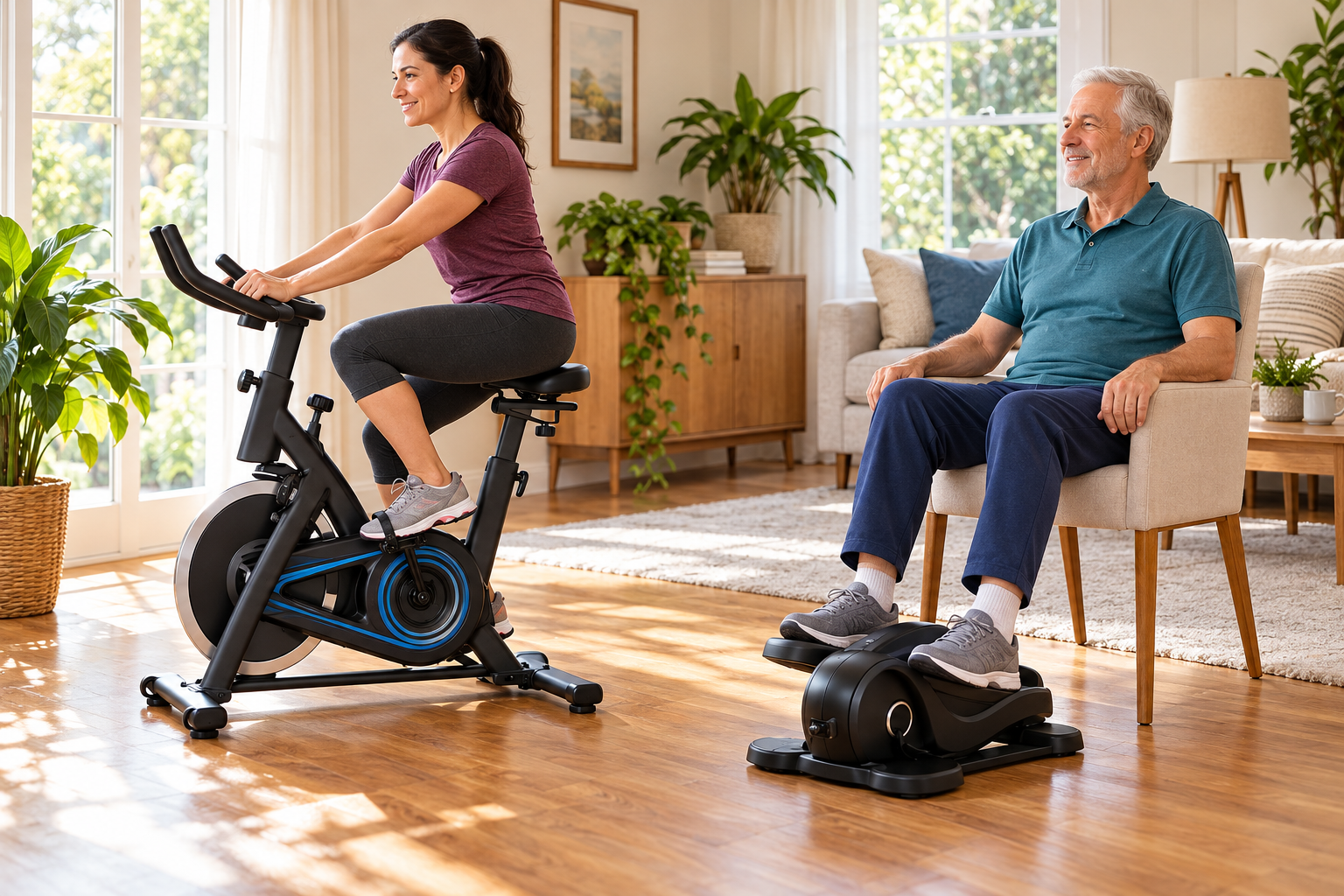
3. Cycling or Elliptical
Cycling and elliptical exercise offer low-impact movement that supports fitness and weight management as part of gout care. Start with short sessions at a comfortable pace when your joints feel well. During a gout flare, rest the affected joint rather than exercising through pain.
4. Yoga for Joint Comfort
Comfortable yoga movements may support flexibility and relaxation as part of your wellness routine. Choose supported poses and move within a pain-free range when your joints feel well. During a gout flare, rest the affected joint and avoid poses that put pressure on it.
5. Gentle Strength Training
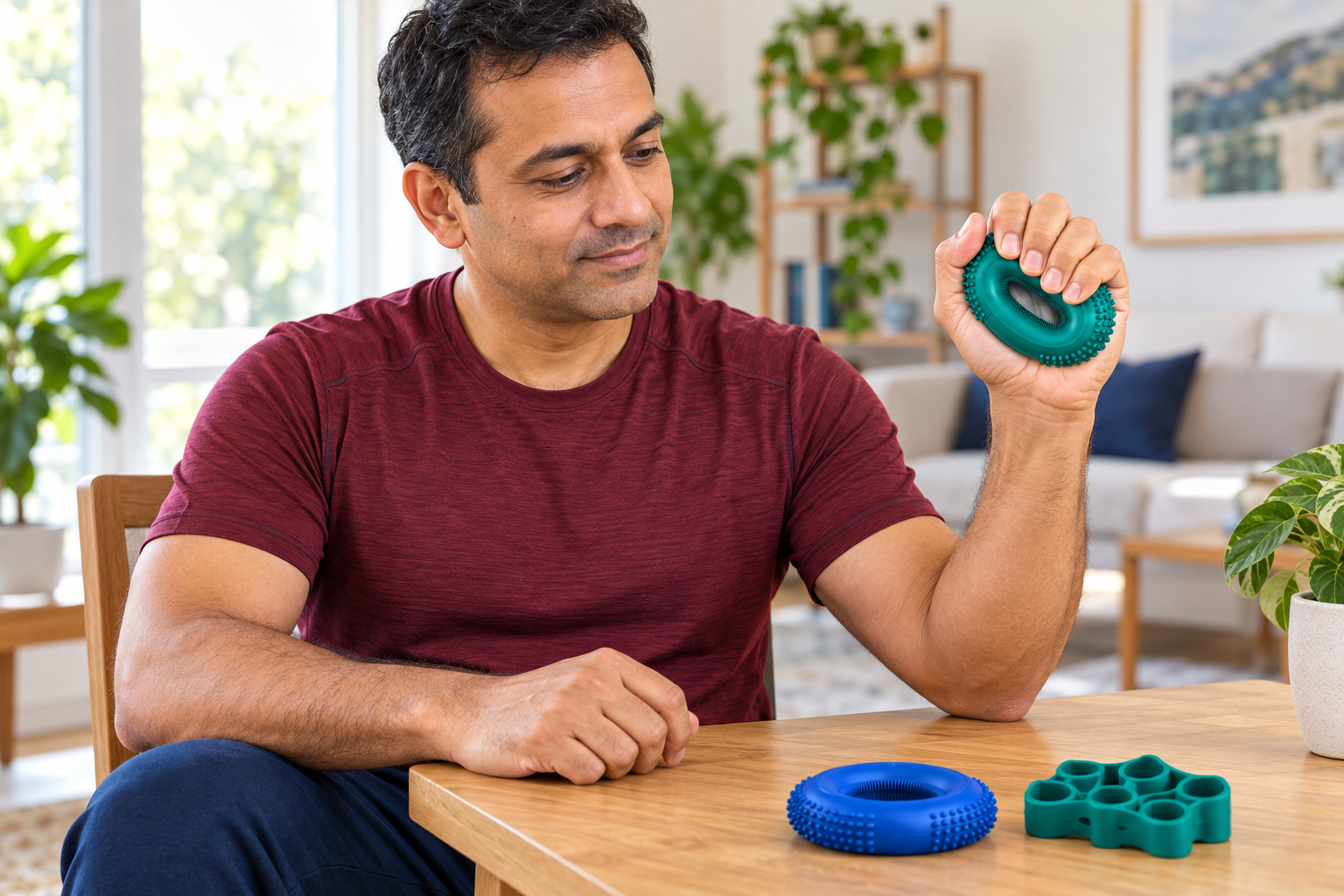
Light resistance exercises can support muscle strength and everyday function when your joints feel well. Hand exercisers focus on grip strength; they are not a treatment for high uric acid. Start with comfortable resistance, avoid painful movements and rest affected joints during a gout flare.
Helpful Products for Your Routine
Talk to your doctor before taking any supplement, especially if you take gout, blood pressure or blood-thinning medication.
Tart Cherry (juice or capsules)
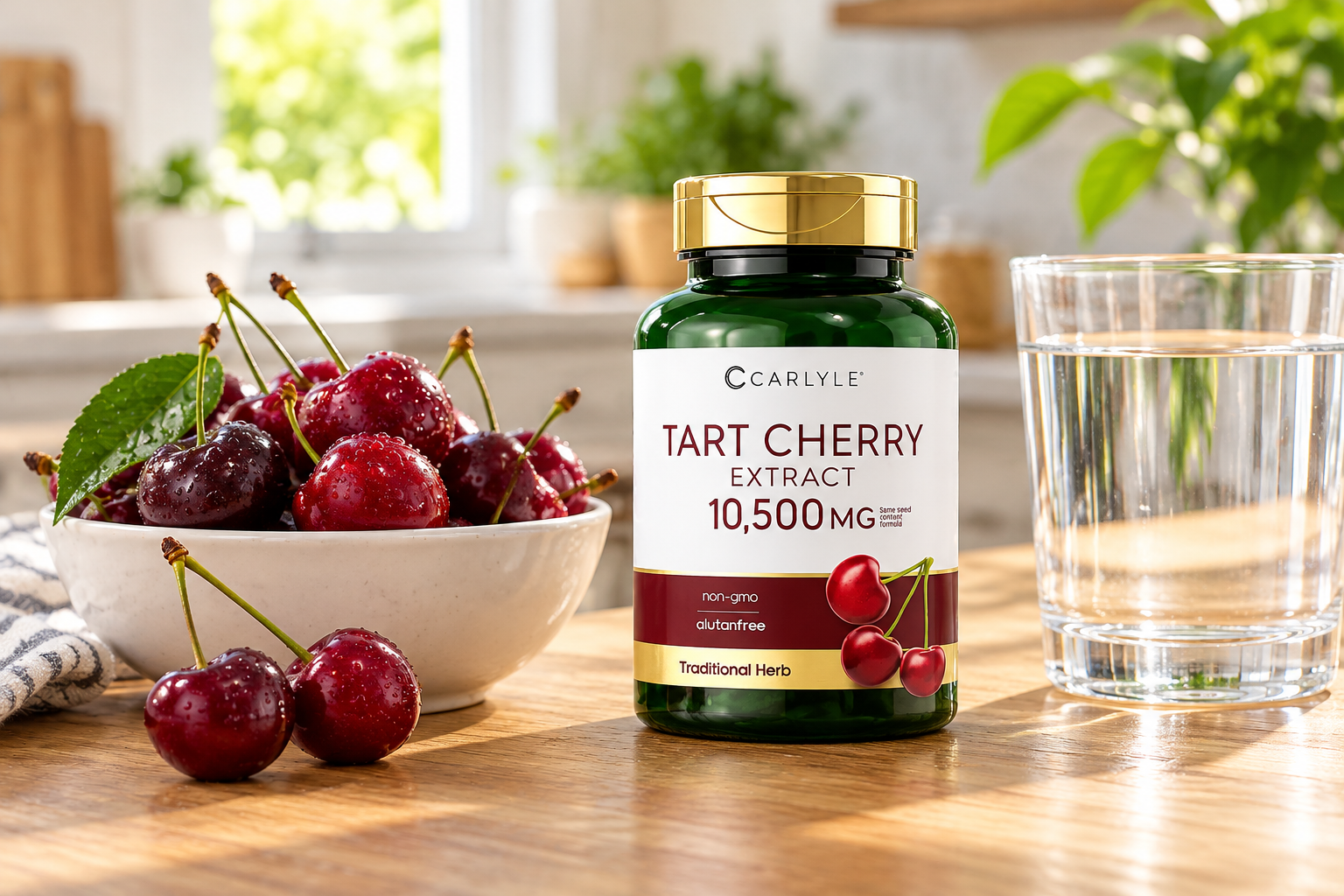
Tart cherry has been studied for gout, but evidence is limited and benefits are not guaranteed. Juice and capsules are not interchangeable, and neither replaces prescribed treatment. Choose juice without added sugar, and ask your clinician before using supplements alongside your medications.
Alkaline Water
Alkaline water contributes to hydration, but it is not proven to lower uric acid better than regular water. Plain water is an effective, affordable option for daily drinking. Choose whichever helps you stay consistent, and follow any fluid restrictions recommended by your healthcare professional.
Turmeric & Ginger Supplements
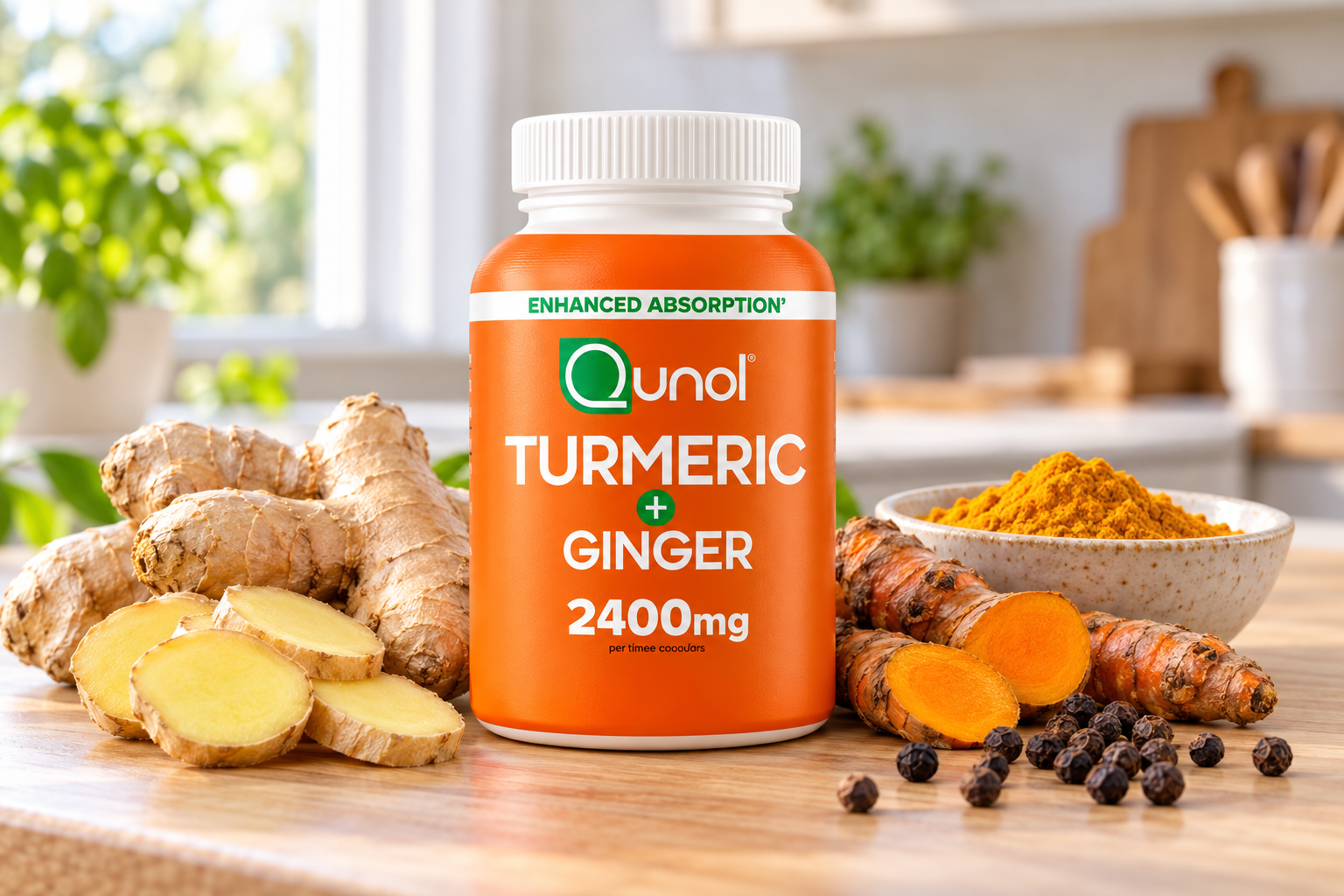
Turmeric and ginger have been studied for anti-inflammatory effects, but supplements are not proven treatments for high uric acid or gout. They can interact with medicines, including blood thinners. Ask your clinician whether this product is suitable before adding it to your routine.
Vibration Plate Machine
A vibration plate is an optional exercise tool, not a proven treatment for high uric acid or gout. Ask your clinician whether it suits your joints and balance before use. Follow the manufacturer’s instructions, avoid it during a gout flare and stop if it causes pain.
Apple Cider Vingar Capsules
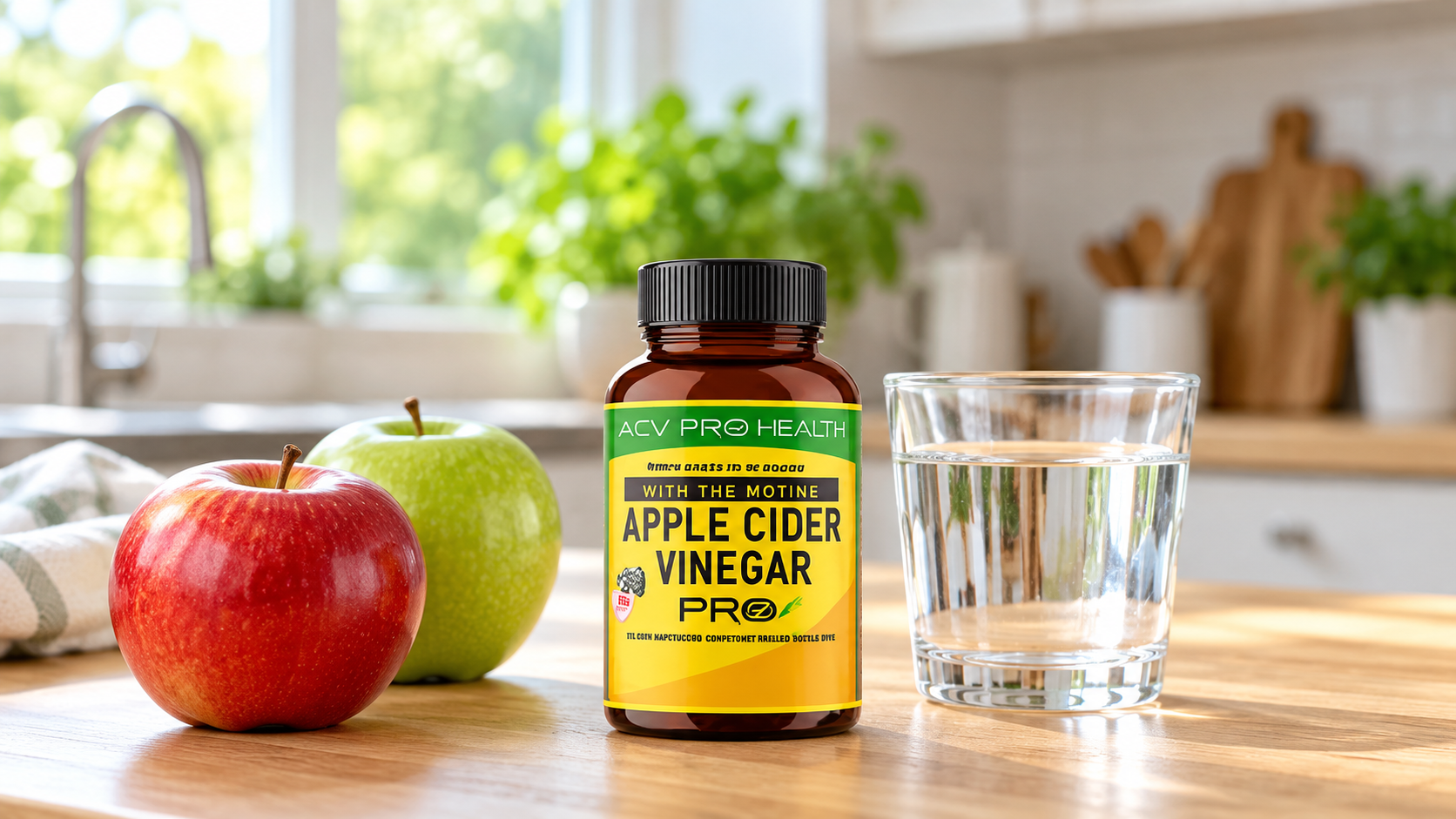
Apple cider vinegar capsules are not proven to lower uric acid, prevent gout attacks or “detox” the body. Supplements can interact with medications, and formulas vary between brands. Ask your clinician whether this product is suitable before adding it to your routine.
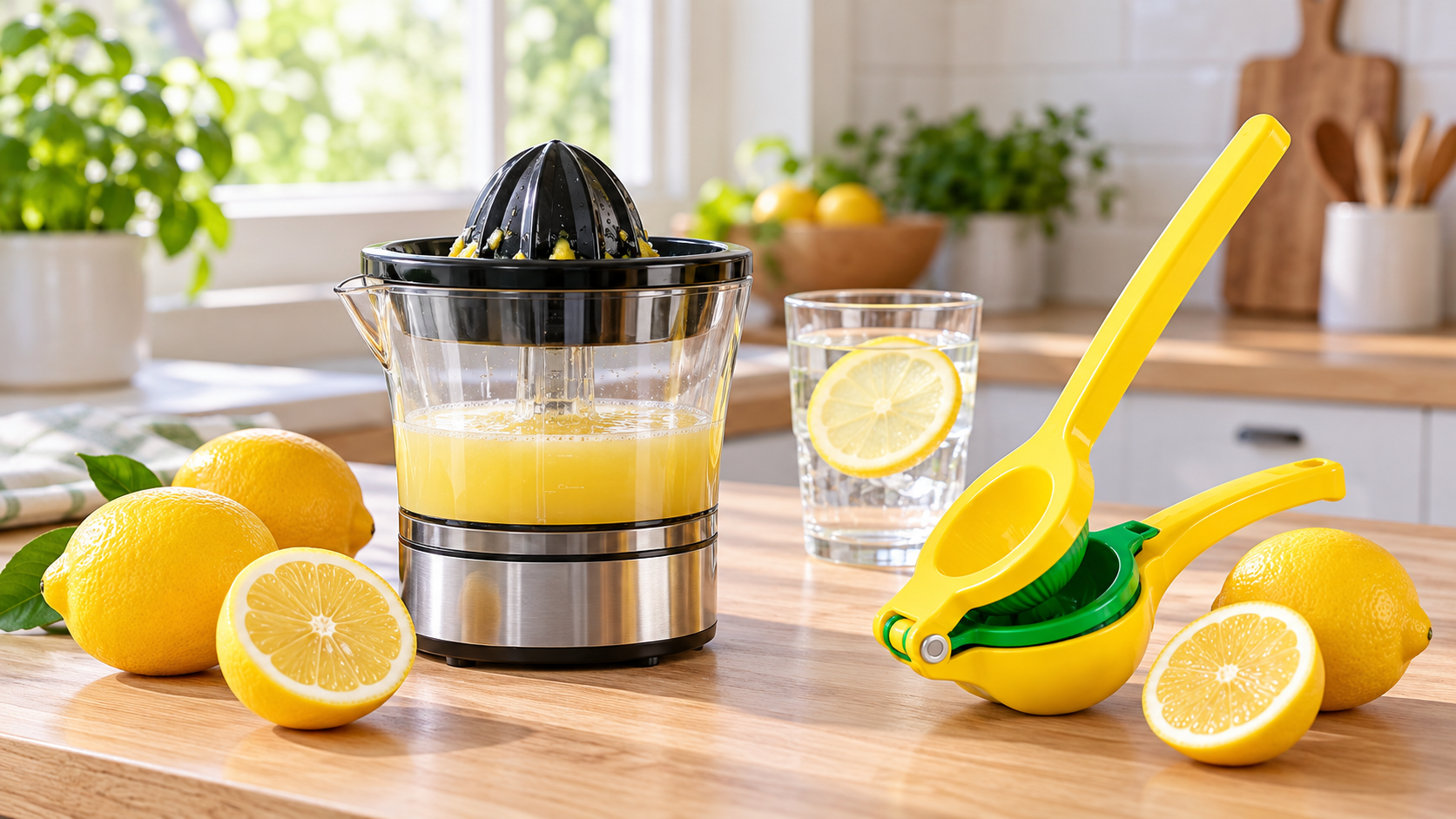
Citrus Juicer / Lemon Squeezer
A citrus juicer or lemon squeezer makes it easier to add fresh flavour to water and meals. These tools support convenient preparation, not uric acid treatment. Use a small squeeze without added sugar, and rinse your mouth with plain water after drinking acidic beverages.
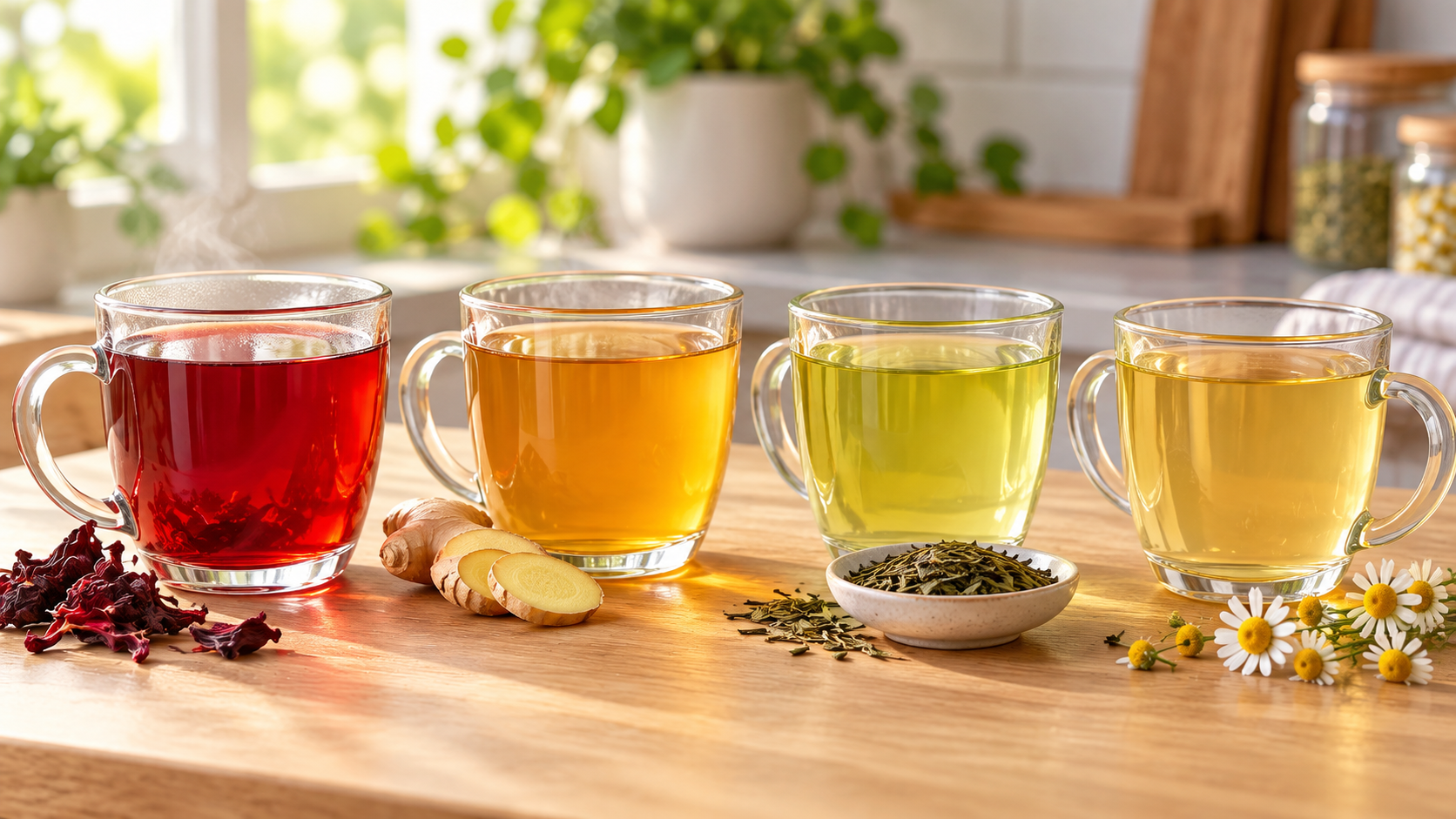
Herbal & Green Teas
Unsweetened herbal and green teas add variety to your fluid intake, but they are not proven treatments for high uric acid or gout. Green tea contains caffeine, while many herbal options do not. Check ingredients and ask your clinician about herbal teas if you take medication.
Simple Daily Routine to Support Healthy Uric Acid
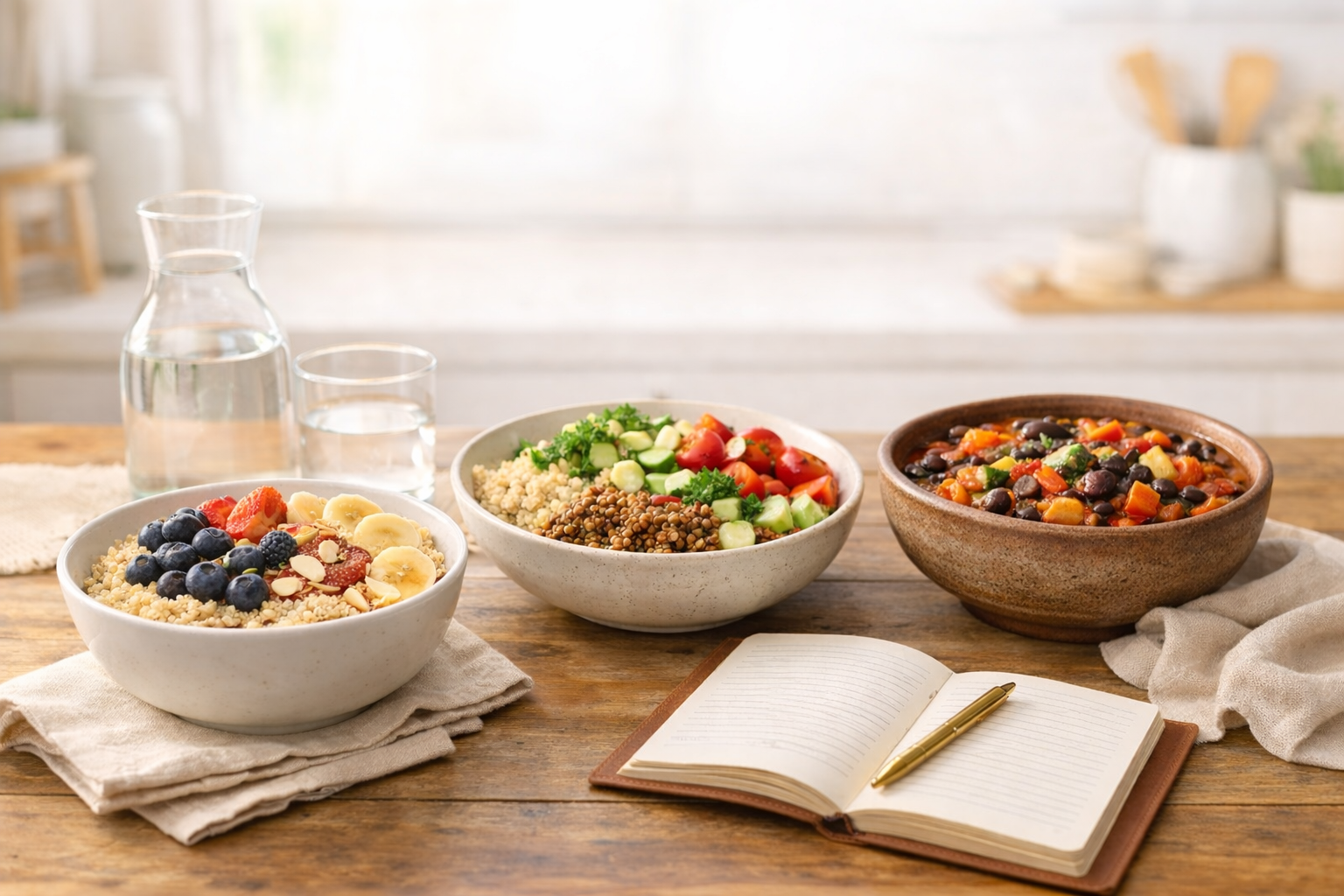
- Morning: warm lemon water, light stretching. Change “ACV shot” to: Optional: diluted apple cider vinegar in a large glass of water
- Midday: 20-minute walk, water or herbal tea
- Evening: a balanced dinner with vegetables and lean protein, a small bowl of cherries or tart cherry juice, light stretching before bed (make that last line a bullet too)
When to See a Doctor
- A first-ever attack of sudden joint pain
- Fever with a hot, swollen joint (this needs urgent care)
Gout is very treatable. If you have frequent attacks, your doctor may suggest medication to lower uric acid. Lifestyle habits work best alongside it. Don’t stop or change prescribed medication without talking to your doctor.
Small Daily Habits Add Up
With the right combination of:
✔ Regular check-ins with your doctor.
✔ Anti-inflammatory foods
✔ Light, daily exercise
✔ Smart supplementation
✔ Consistent habits
Together, these habits may help lower uric acid, reduce your risk of flare-ups and support your whole-body wellness through fall and winter.
Explore Wellness Essentials & Anti-Inflammatory Tools → Explore Now
Sources
- NIAMS: Gout — https://www.niams.nih.gov/health-topics/gout
- Mayo Clinic: Gout diet — https://www.mayoclinic.org/healthy-lifestyle/nutrition-and-healthy-eating/in-depth/gout-diet/art-20048524
- Arthritis Foundation: Gout — https://www.arthritis.org/diseases/gout
- NCCIH: Turmeric — https://www.nccih.nih.gov/health/turmeric
This article is for general information and is not medical advice. Talk with your healthcare provider about testing and treatment for high uric acid or gout.!