


Save Your Knees: 3 Expert-Approved Exercises for Strength & Mobility No Squats Needed Joint-Friendly, Beginner-Safe
If squats hurt your knees, you’re not alone and you don’t need to force painful movements to build strong, toned legs. The truth is, knee health depends more on support muscles (glutes, hips, stabilizers) than on deep knee bending. When these muscles are strong, your knees experience less strain in daily movement.
This guide walks you through 3 expert-approved, low-impact exercises that strengthen your lower body without squats, plus the nutrition and supplements that support joint comfort from within.
Perfect for:
- Beginners
- Busy moms
- Women easing back into fitness
- Anyone with knee sensitivity or stiffness
Why Squats Aren’t Always Knee-Friendly. Squats aren’t bad, but they aren’t always appropriate.
If you have:
- Weak glutes or hips
- Poor ankle mobility
- Previous knee discomfort
- Inflammation or joint sensitivity
…squats can place unnecessary stress directly on the knee joint.
Instead, knee-friendly workouts focus on:
- Hip strength
- Balance and control
- Controlled ranges of motion
That’s exactly what the exercises below deliver.
The 3 Best Knee-Safe Exercises (No Squats Required)

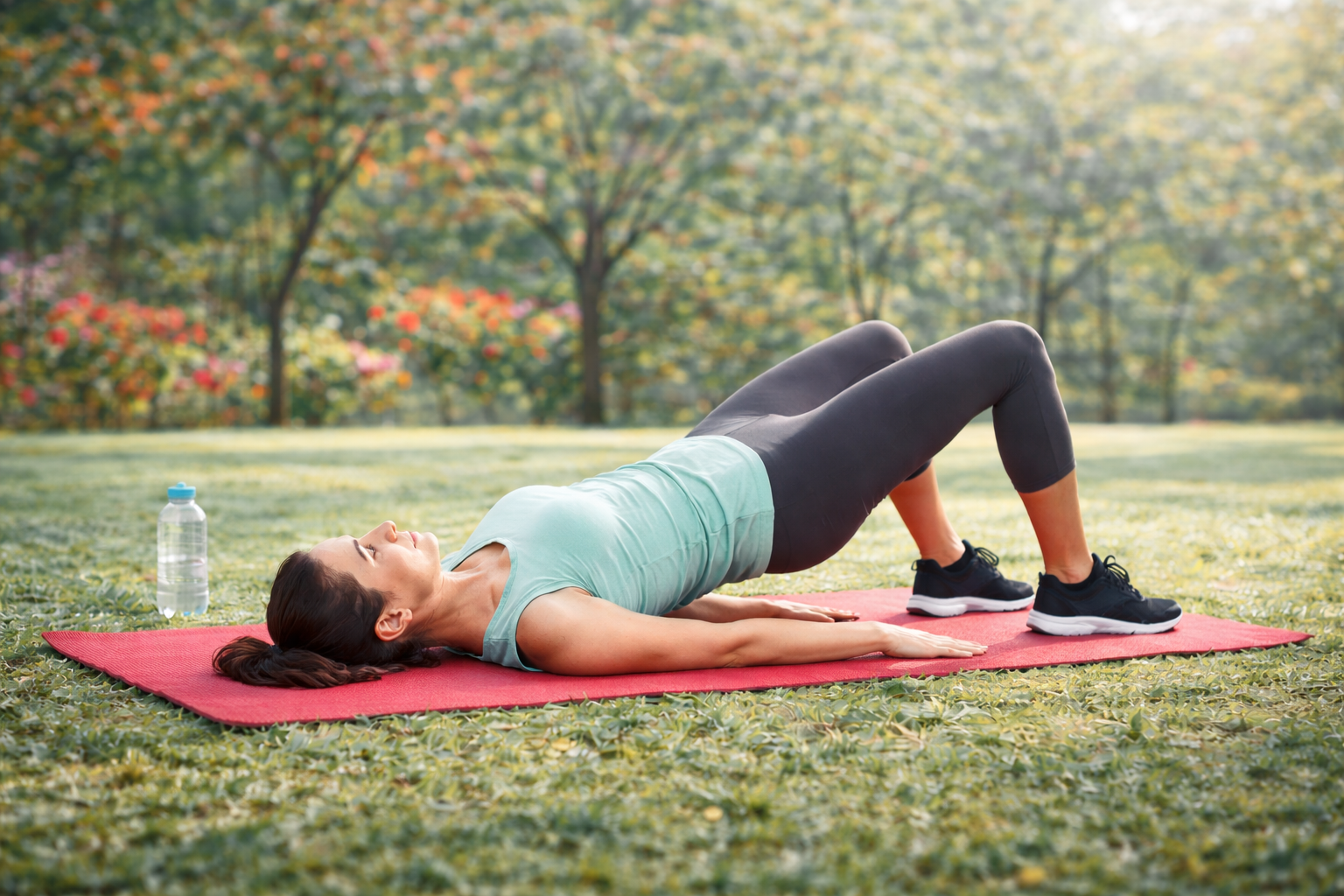
1. Glute Bridge (Optional Heel Drive)
How to do it:
Lie on your back with knees bent and feet hip-width apart. Press through your heels and lift your hips, squeezing your glutes. Hold briefly, then lower slowly.
Optional progression:
Drive one heel into the floor as you lift to increase glute activation.
Why this protects your knees:
Strong glutes absorb force that would otherwise travel to your knees.
Targets:
- Glutes.
- Hamstrings.
- Hip stability

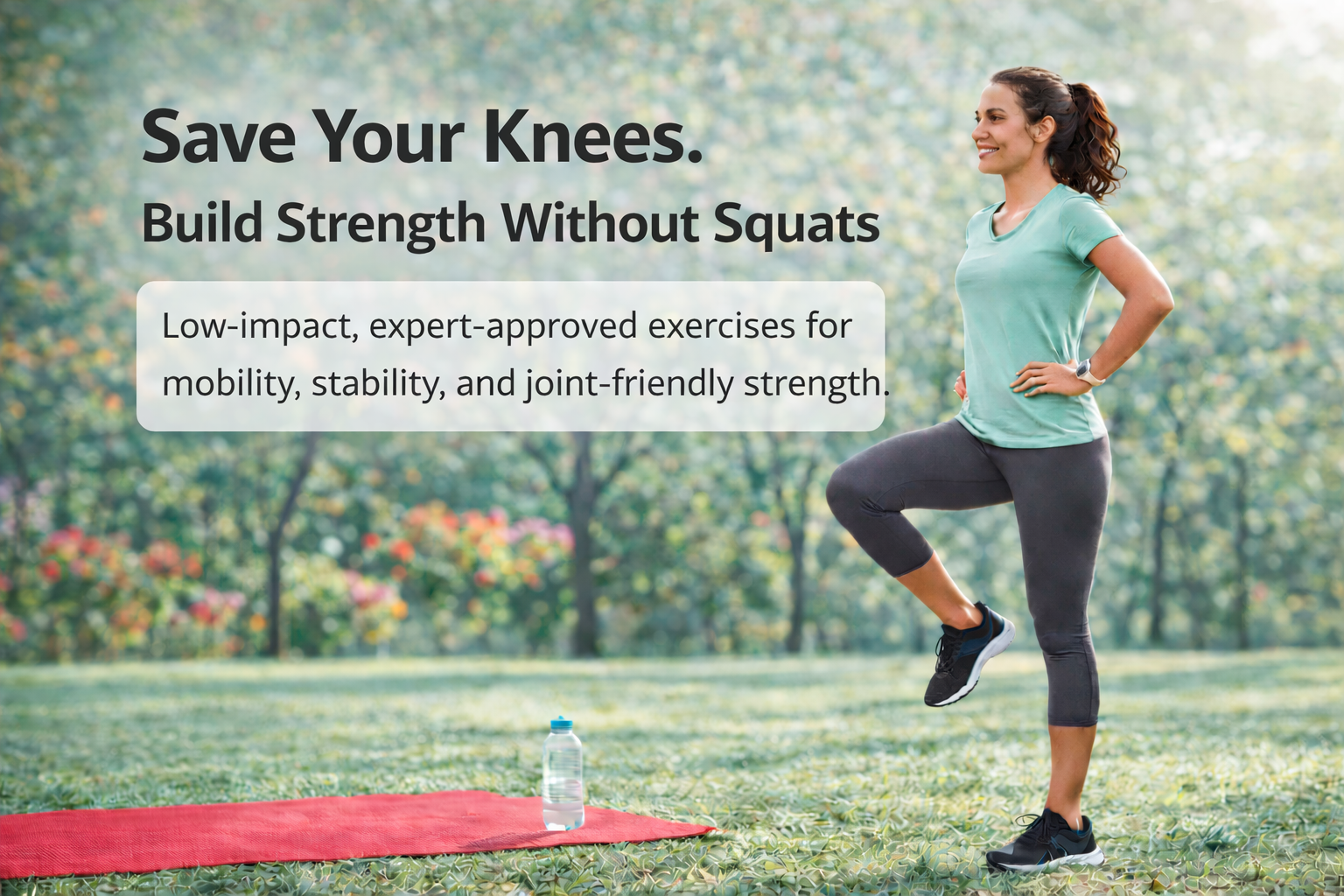
2. Single-Leg Balance (Single-Leg Stand)
How to do it:
Stand tall, shift weight onto one leg, keep the knee slightly soft. Hold for 20–30 seconds, then switch.
To increase difficulty:
- Slight knee bend
- Close your eyes
- Use a soft surface
Why this protects your knees:
Balance improves joint control and teaches your body how to stabilize under load.
Targets:
- Stabilizers
- Proprioception
- Knee support

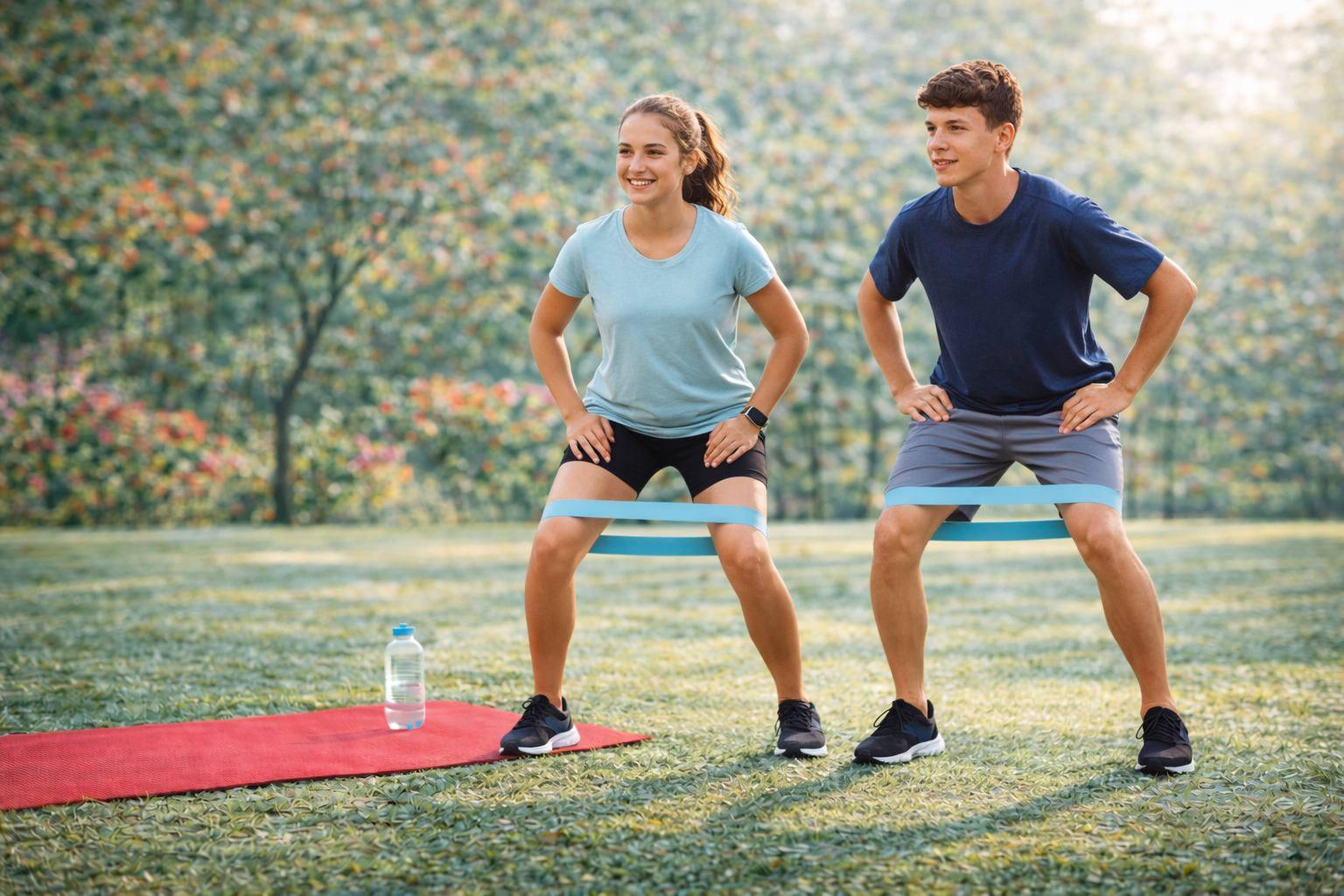
3. Crab Walk (Lateral Band Walk)
How to do it:
Place a resistance band above your knees. Bend slightly and step side to side, keeping constant band tension.
Why this protects your knees:
Strengthens outer glutes and hip abductors — critical for preventing knee collapse.
Targets:
- Hip abductors
- Outer knee stability
How Often Should You Do These?
- 2–4 times per week
- 2–3 sets per exercise
- Slow, controlled tempo
Mild muscle fatigue is okay. 🚫 Sharp or lingering joint pain is not.
Support Knee Health Through Better Circulation
Strong knees rely on healthy blood flow to deliver oxygen and nutrients to joint tissues. Certain red superfoods are rich in antioxidants and nitrates that naturally support circulation and vascular health.
👉 Explore red superfoods that boost circulation and joint nourishment
www.1glowwithin.com/red-superfoods-that-boost-circulation

Support Your Knees During Movement
Joint comfort improves faster when movement + support work together.
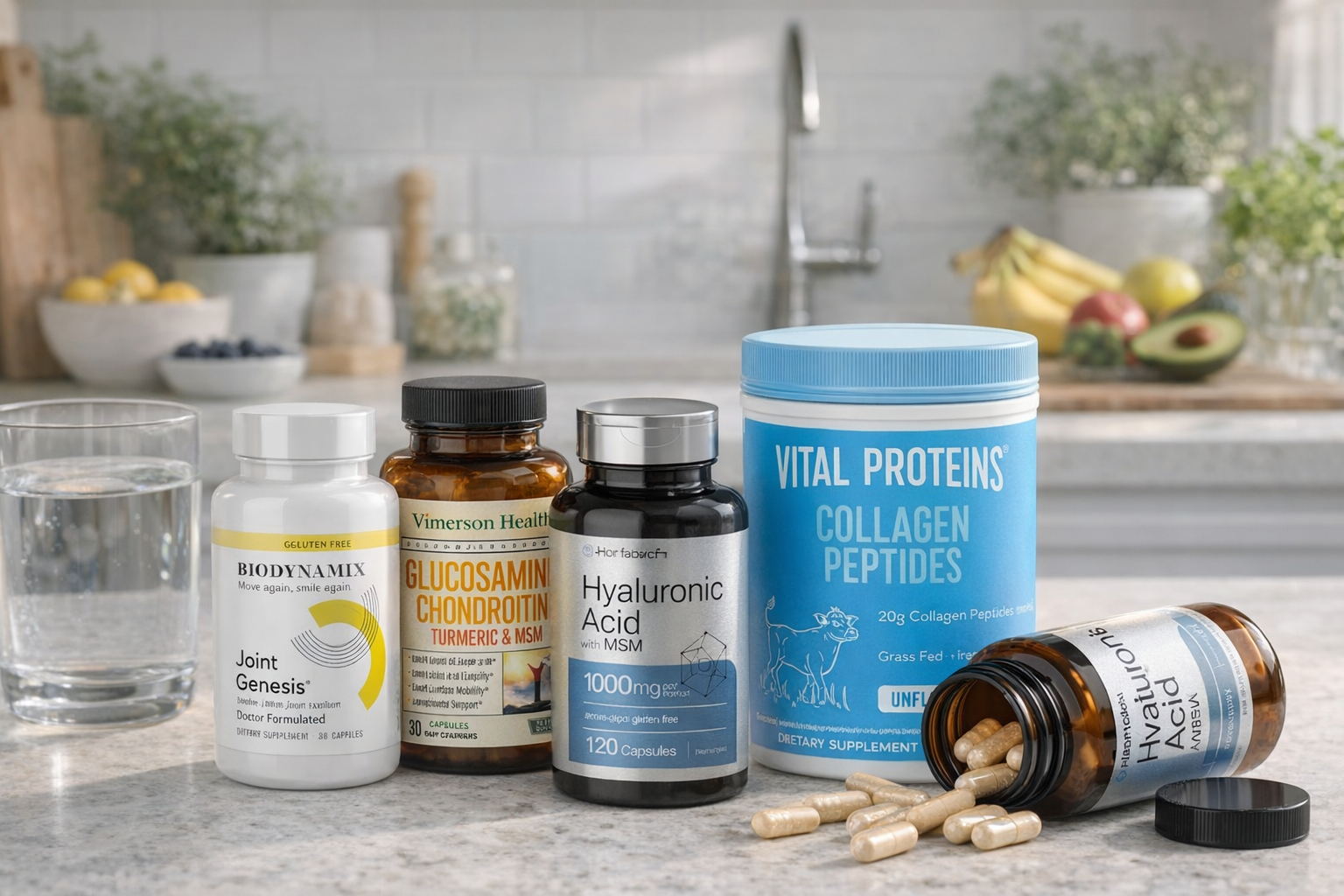
✔️ Recommended Joint Support Essentials
- Glucosamine + Chondroitin (cartilage support)👉See More
- MSM (joint comfort)👉See More
- Collagen peptides (connective tissue support)👉See More
- Hyaluronic acid (joint lubrication)👉See More
👉Joint Genesis Learn about the joint-supporting nutrient your body needs: www.1glowwithin.com/joint-pain-eat-this-nutrient

Eat for Stronger, Happier Joints
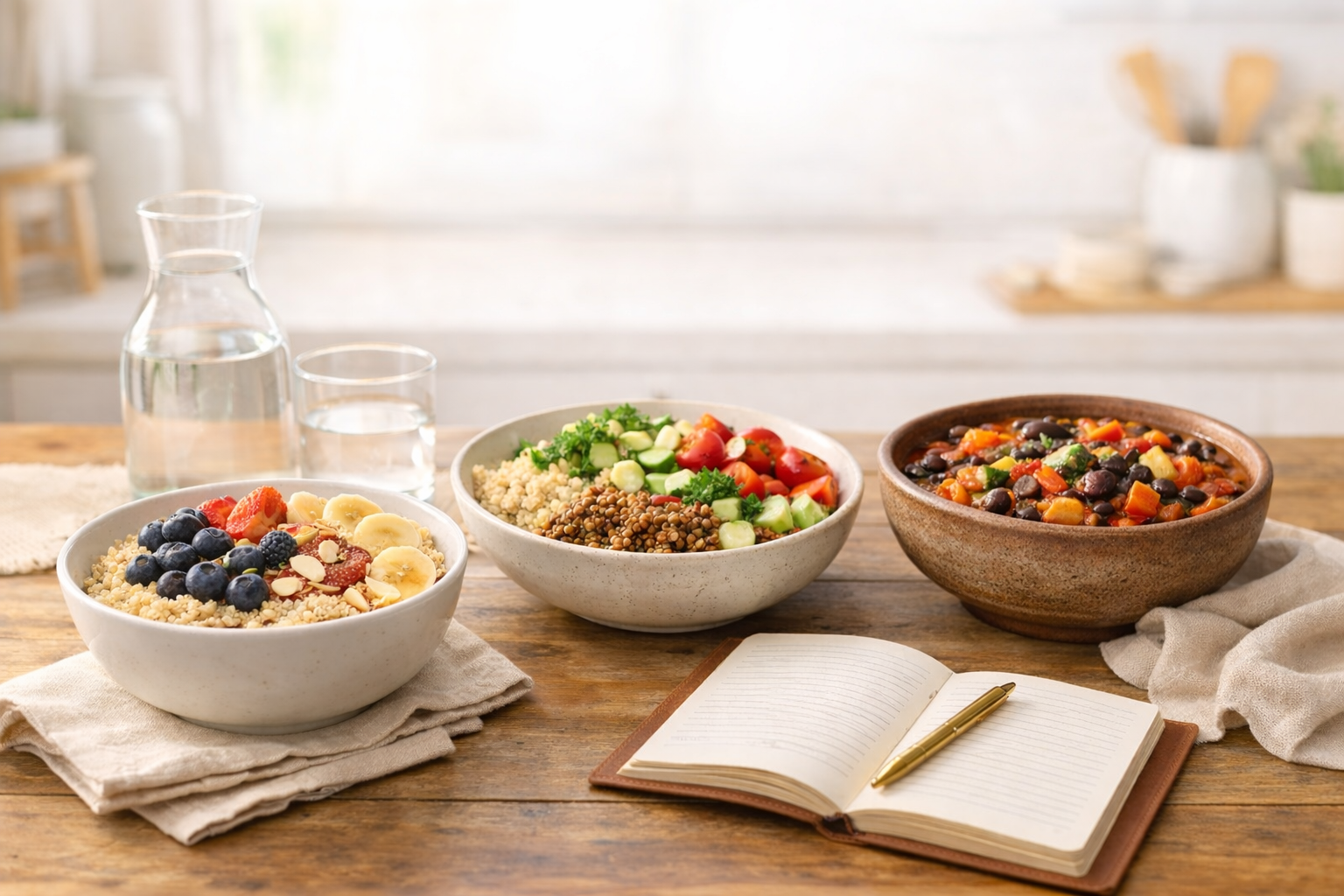
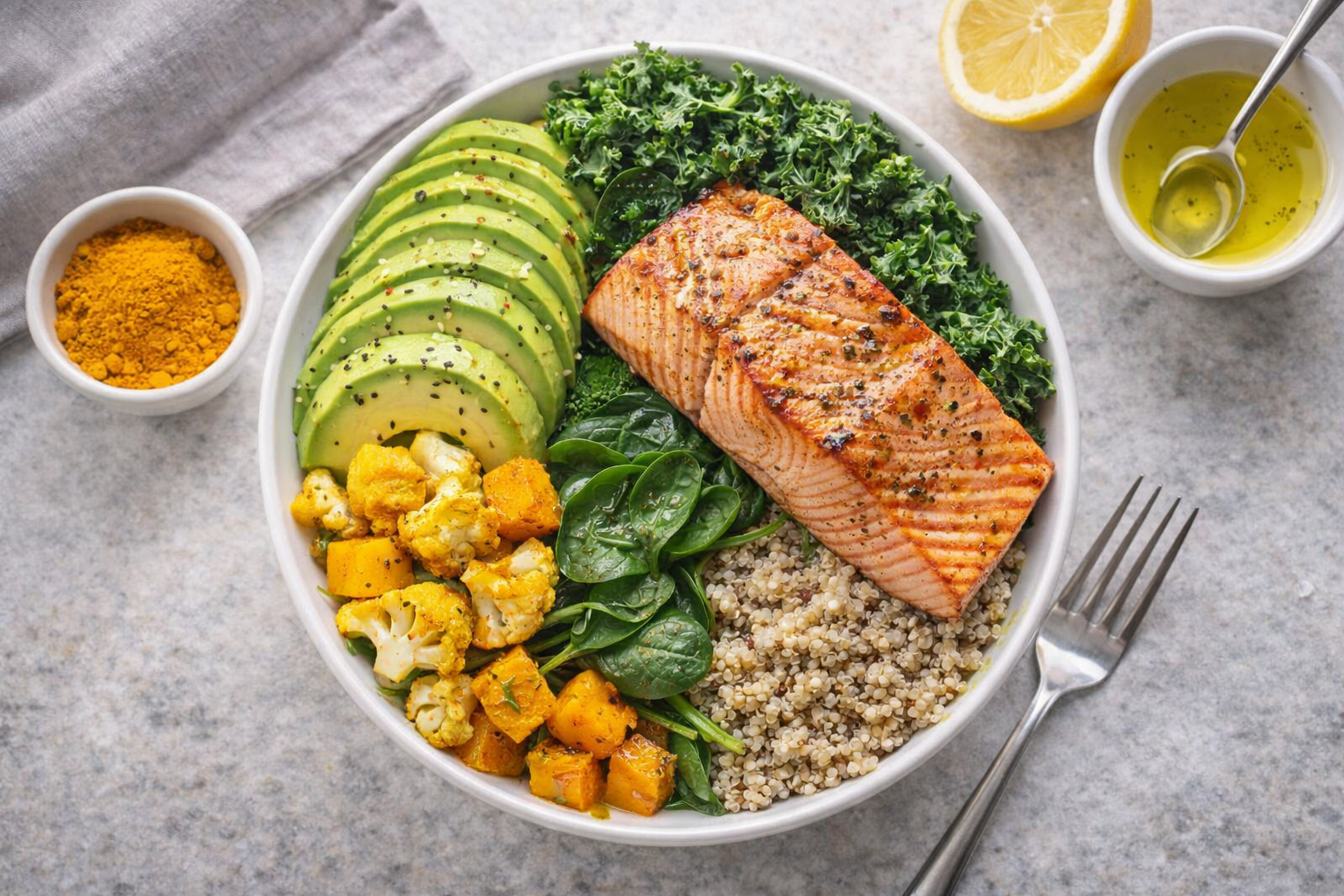
Exercise strengthens muscles but nutrition protects the joint. Joint-Nourishing Power Bowl.
Ingredients:
- Grilled salmon (omega-3s for inflammation control)
- Spinach or kale (vitamin K + antioxidants)
- Quinoa (plant protein + minerals)
- Avocado (healthy fats)
- Turmeric + black pepper (curcumin absorption)
- Olive oil + lemon juice
Glow tip: Omega-3s + antioxidants work together to reduce stiffness and support mobility. 👉See More

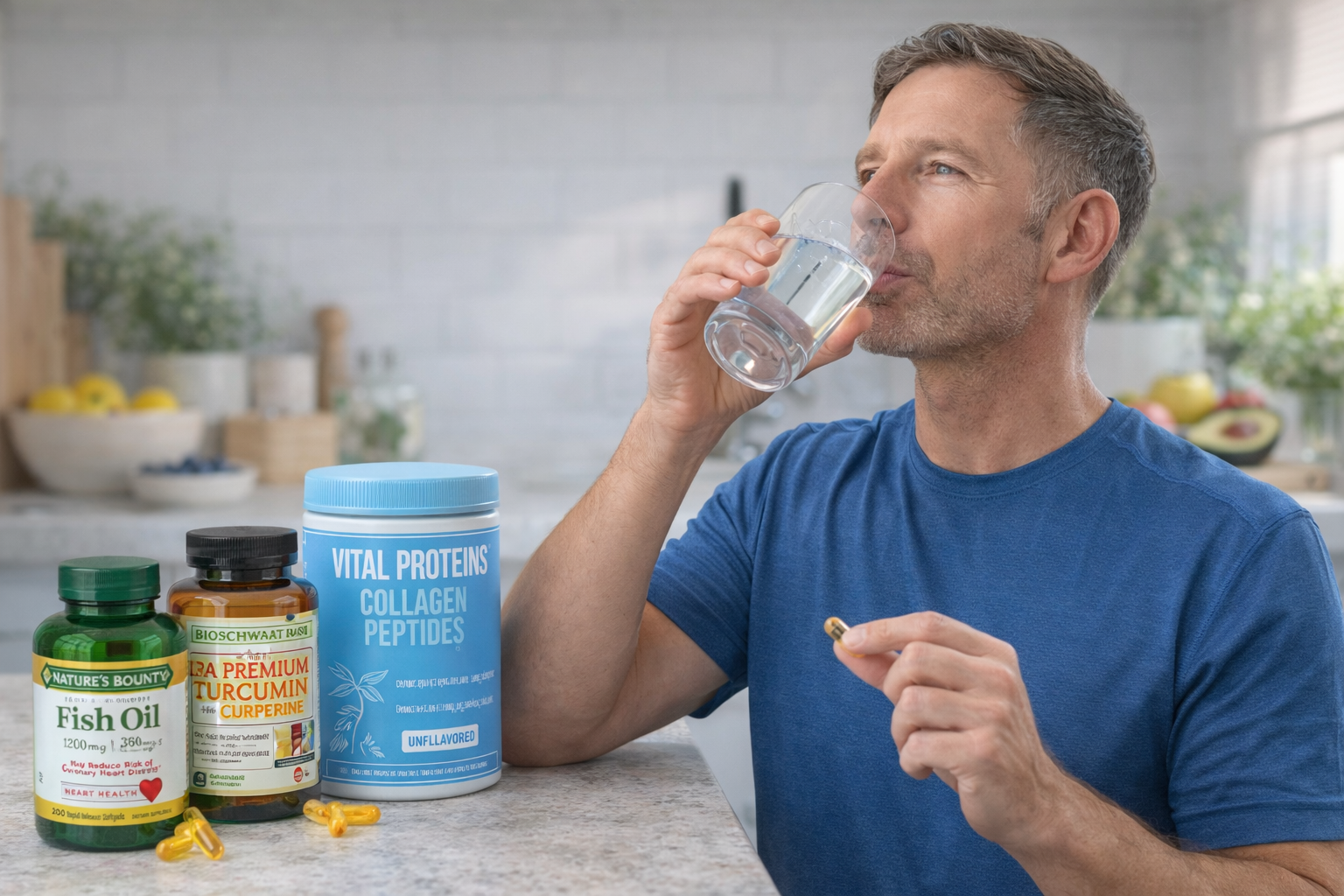
Daily Joint Nutrition Essentials
Consider adding:
- Omega-3 fish oil (EPA/DHA) Supports joint lubrication and reduces inflammation. 👉See More
- Turmeric curcumin supplement Natural anti-inflammatory with antioxidant support. 👉See More
- Collagen peptides (powder or capsules) Supports connective tissue, cartilage, and joint comfort. 👉See More
These support:
- Joint lubrication
- Reduced inflammation
- Long-term mobility

Lifestyle Tips That Protect Your Knees Long-Term
- Avoid prolonged sitting without movement
- Wear supportive footwear
- Maintain healthy body weight
- Stretch hips and calves regularly
- Stay hydrated (joint lubrication matters)
Hydration Matters for Joint Comfort
Staying hydrated helps maintain joint lubrication and mobility. Antioxidant-rich drinks can also help reduce oxidative stress linked to stiffness.
👉 Try this science-backed hibiscus rose lemonade for hydration and joint support
Knee Health Is Part of Whole-Body Nourishment
Long-term joint comfort isn’t just about exercise it’s about how you nourish your body daily. Balanced nutrition supports inflammation control, tissue repair, and mobility at every stage of life.
👉 Learn how to nourish your body for strength, balance, and long-term wellness www.1glowwithin.com/nourish-your-body
Strong Knees Are Built Gently
You don’t need pain, squats, or extreme workouts to support your knees.
With:
- Smart, low-impact movement
- Consistent strengthening
- Joint-supportive nutrition
You can protect your knees while still building strength and confidence ✨
👉 Explore the Joint Genesis nutrient that supports joint health from within:
www.1glowwithin.com/joint-pain-eat-this-nutrient
FAQ:
Can I do these exercises if I have chronic knee pain?
A: Yes — these are low-impact and safe for most people, but if pain continues, seek personalized medical guidance.
How often should I do these exercises?
A: Aim for 2–4 times per week with rest days.