
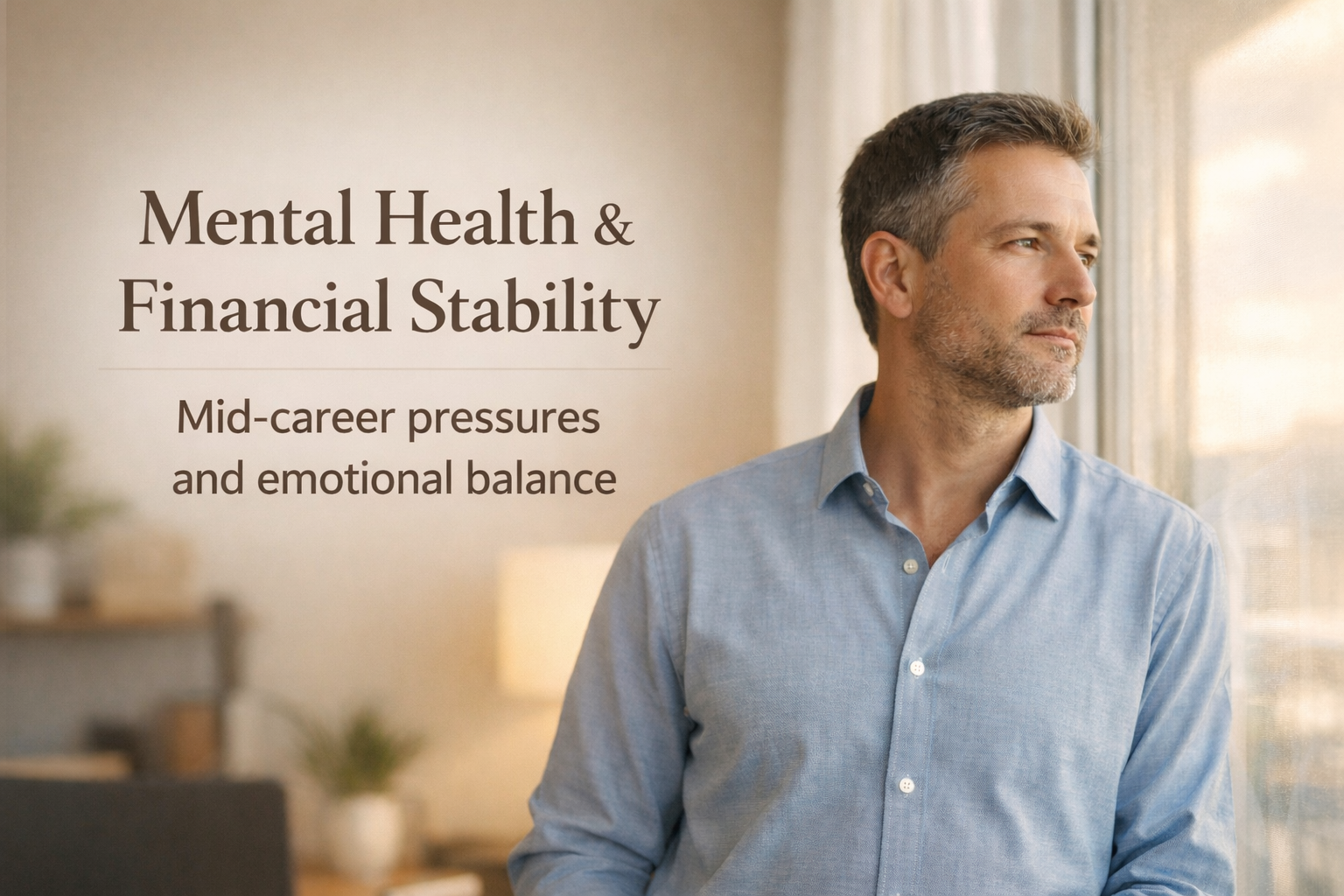















Mental Health and Financial Stability: How Mid-Career Pressures Shape Our Lives and Relationships
Mid-career is often considered a season of stability and accomplishment. Yet for many professionals, this stage of life brings intense emotional and psychological pressure driven by financial responsibilities, career expectations, and family obligations. Behind the appearance of success, many individuals struggle quietly with anxiety, exhaustion, and emotional strain. At 1GlowWithin, we believe true wellness includes not only physical health but also mental, emotional, relational, and spiritual well-being. Understanding how financial stress affects different aspects of life—and how it impacts men and women differently—is essential for building balance and resilience.
The Weight of Responsibility in Mid-Career Life Mid-career adults often manage multiple roles at once:
- Career advancement and job security
- Mortgage or housing costs
- Children’s education and daily needs
- Supporting aging parents
- Long-term financial planning and debt
- Maintaining marriages and households
This combination of pressures can create chronic stress that gradually affects emotional health, physical well-being, and personal relationships.
Chronic stress doesn’t disappear on its own. Without intentional stress-relief routines, the body remains in a constant state of tension, affecting mood, focus, digestion, and sleep quality. Gentle daily practices can help calm the nervous system and restore emotional balance during demanding seasons of life.
How Financial Stress Affects Men and Women Differently
Although financial pressure impacts everyone, men and women often experience and express this stress in different ways due to social roles and expectations.

Men and Financial Stress
Men are frequently conditioned to view themselves as providers and problem-solvers.
Financial strain may lead to:
- Internalized anxiety and emotional withdrawal
- Fear of failure or loss of identity
- Increased irritability or anger
- Avoidance of discussing financial or emotional struggles
- Higher risk of using alcohol as a coping mechanism
Many men struggle silently, believing they must remain strong for their families even when overwhelmed.

Women and Financial Stress
Women often balance financial concerns with caregiving and emotional labor. This can
result in:
- Heightened worry about family stability and children’s future
- Feelings of guilt when finances limit family needs
- Emotional exhaustion from managing both household and career demands
- Higher vulnerability to anxiety and depression
- Greater tendency to seek emotional support, yet also feel overwhelmed by responsibility
Both experiences are valid, and both deserve understanding and support.
Impact on Physical Health and Sleep
Chronic financial stress activates the body’s stress response system, leading to:
- Poor sleep quality or insomnia
- Headaches and muscle tension
- Digestive problems
- Weakened immune function
- Fatigue and low energy
Sleep disruption often becomes a cycle: worry leads to poor sleep, and poor sleep worsens anxiety and decision-making.

Alcohol Consumption and Unhealthy Coping
For some mid-career adults, alcohol becomes a way to manage stress and emotional pain.
While occasional social drinking may seem harmless, prolonged reliance can:
- Mask underlying anxiety or depression
- Increase relationship conflict
- Disrupt sleep and physical health
- Reduce emotional awareness
- Create dependency patterns
Healthy coping strategies must replace numbing behaviors to protect long-term mental health.

Religion, Spirituality, and Inner Strength
Faith and spirituality can serve as powerful sources of comfort and guidance during
financial strain. For many, prayer, meditation, and community worship offer:
- Emotional grounding
- Hope and perspective
- A sense of purpose beyond material success
However, financial stress can also challenge faith when individuals feel guilt, shame, or fear
about their circumstances. Maintaining spiritual connection can support emotional healing and resilience.

Friendships and Social Isolation
Financial stress can change social behavior. Individuals may:
- Withdraw from friends due to embarrassment or lack of funds
- Avoid social activities to save money
- Feel disconnected or misunderstood
- Experience loneliness and isolation
Strong friendships provide emotional relief and perspective, yet financial pressure often limits the ability to nurture these relationships.

Marriage, Intimacy, and Emotional Connection
Money stress is one of the leading sources of marital conflict. It can affect relationships
through:
- Increased arguments over spending and priorities
- Emotional distance or blame
- Reduced patience and empathy
- Decreased physical intimacy
- Fear-based decision-making
When partners are emotionally exhausted, intimacy often suffers. Rebuilding connection requires honest communication, shared goals, and mutual compassion.

Parenting Styles and Family Dynamics
Children often sense financial tension even when parents try to hide it. Financial stress may
influence parenting by causing:
- Increased irritability or strictness
- Overprotection or anxiety-driven control
- Less emotional availability
- Inconsistent discipline
- Feelings of guilt over limited resources
Parents under stress may unintentionally pass anxiety to their children, shaping how they view money and security in the future.
Breaking the Silence
Mid-career adults are frequently expected to be dependable, strong, and stable. This expectation prevents many from seeking help. Yet silence only deepens emotional strain. Acknowledging stress is not weakness—it is self-awareness. Addressing mental health early protects not only individuals but also marriages, families, and communities.
Practical Strategies for Restoring Balance
1. Redefine Success: Success includes peace of mind, healthy relationships, rest, and emotional stability—not only income and status.
2. Build Financial Awareness: Budgeting, goal setting, and financial education reduce fear and increase confidence.
3. Prioritize Sleep and Physical Health: Regular rest, exercise, and nutrition strengthen mental resilience.
4. Practice Emotional Self-Care: Journaling, mindfulness, prayer, gratitude, and quiet reflection restore inner balance.
5. Encourage Open Communication: Discuss finances and emotions honestly with partners, family, or trusted friends.
6. Seek Professional Guidance: Therapists, counselors, and financial advisors can provide practical and emotional tools for
navigating stress.
True Wealth Begins Within
Financial stability should support life—not consume it. Mid-career is an opportunity to realign priorities and nurture both external success and internal peace. At 1GlowWithin, we believe sustainable wellness comes from caring for the mind, body, relationships, and spirit together.
Conclusion
If you are feeling overwhelmed by career demands, family responsibilities, and financial pressure, remember this: Your mental health matters as much as your financial goals. By taking small, intentional steps toward balance, you can protect your well-being and create a healthier future for yourself and your family.
At 1GlowWithin, we provide tools, guidance, and wellness resources designed to support your journey toward emotional clarity and inner growth.
Tools That Support Emotional Balance During Stressful Seasons
During periods of prolonged financial and emotional stress, small supportive tools can make a meaningful difference. These resources are not about fixing everything at once they are about helping the body and mind feel safer, calmer, and more supported day by day. The tools below are commonly used to support emotional balance, nervous system regulation, and stress recovery during demanding seasons of life.


Physical & Sensory Stress-Relief Tools
1. Stress Relief & Yoga Tools
Gentle physical input can help release nervous tension and improve emotional regulation.
- Handheld stress balls and squeeze toys — helpful for fidgeting, grounding, and releasing built-up tension during anxious moments
- Foam rollers and massage sticks — support muscle relaxation after long workdays or emotionally taxing periods
- Acupressure mats and relaxation pillows — stimulate pressure points that may help calm the nervous system and promote relaxation

2. Portable Massagers & Tension Tools

Targeted muscle relief can help reduce physical stress signals that contribute to emotional fatigue.
- Mini massage guns or percussion massagers — support muscle recovery and stress release
- Cane-style handheld massagers — useful for neck, shoulder, and upper-back tension

Relaxation Aids
3. Aromatherapy & Diffusers
Scent can play a powerful role in emotional regulation and relaxation.
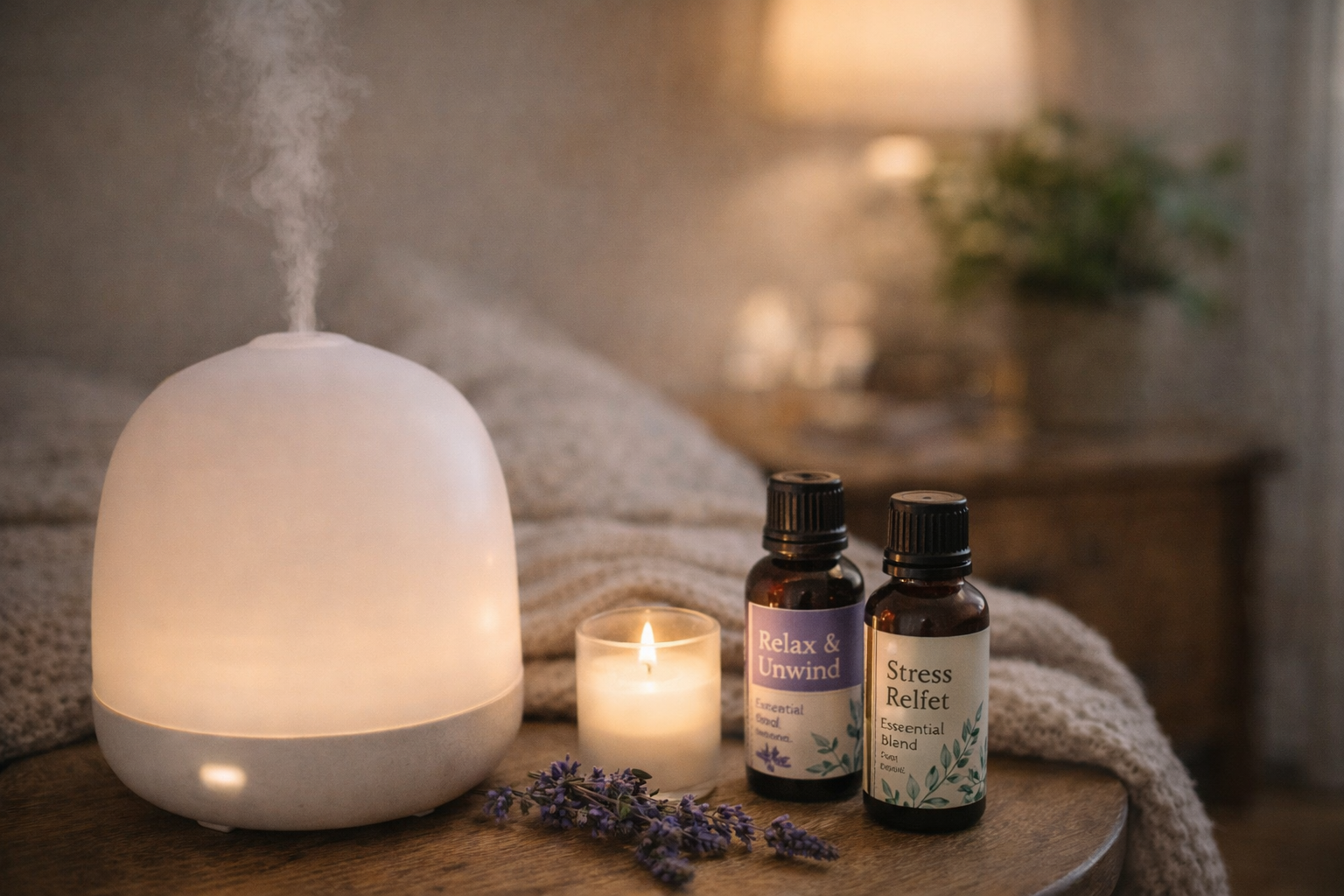
- Essential oil diffusers — help disperse calming scents such as lavender or eucalyptus
- Stress-relief essential oil blends
— often used during evening routines or mindfulness practices

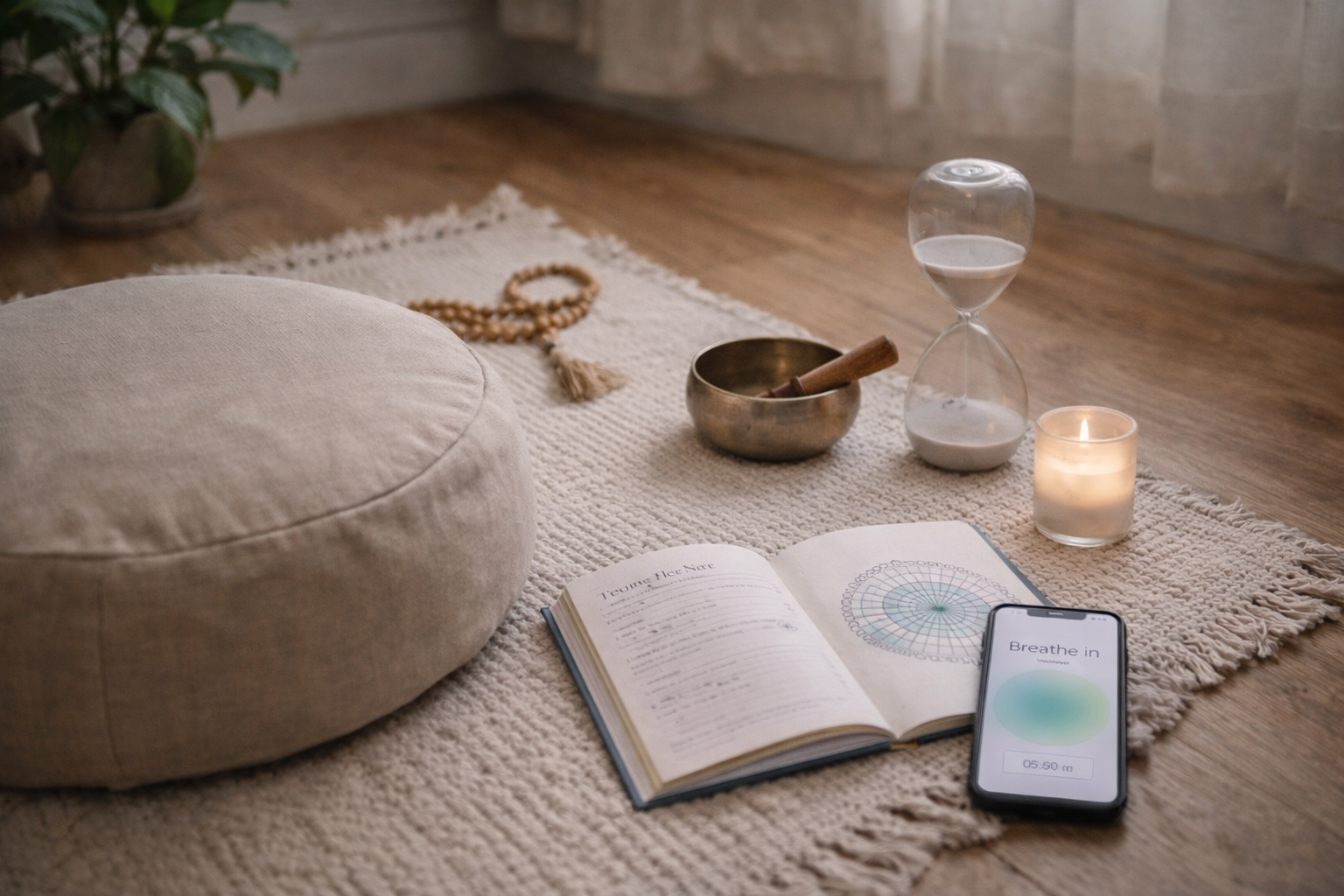
4. Mindfulness & Meditation Tools
Creating intentional moments of stillness can support mental clarity and emotional balance.
- Meditation starter kits — cushions, guides, or simple setup tools
- Breathing and focus aids — timers or visual breathing tools that encourage calm, regulated breathing

Journals & Emotional Health Tools
5. Wellness & Gratitude Journals
Writing can help process emotions that feel difficult to express verbally.
- Gratitude journals — encourage perspective and positive focus
- Mood trackers and reflection journals — support emotional awareness and self-understanding

6. Adult Coloring Books

Creative, low-pressure activities can provide a calming mental break from stress.
- Adult coloring books — especially those featuring nature scenes or soothing patterns
- Mandala and mindfulness coloring designs — often used for relaxation and focus

Supplements & Calm Support
7. Natural Stress & Mood Support Supplements
Some people explore natural supplements to support mood balance and stress recovery.
- Magnesium
- Ashwagandha
- Lemon balm
- GABA
- Adaptogenic herbal blends

Mind–Body Relaxation & Daily Rituals

8. Calming Herbal Teas & Warm Beverages
Warm drinks can signal safety to the nervous system and encourage relaxation.
- Hibiscus tea — supports circulation and offers a soothing ritual
- Chamomile, lemon balm, or lavender tea — commonly used to promote calm and better sleep
- Evening tea routines — pairing tea with quiet reflection can reduce mental overload
📌 Amazon search suggestions:
“hibiscus tea”, “stress relief herbal tea”, “chamomile tea for relaxation”

Nourishing Foods & Stress-Supportive Snacks

9. Healthy Stress-Relief Snacks
Stable blood sugar plays a critical role in emotional regulation.
- Nuts and seeds (almonds, walnuts, pumpkin seeds)
- Dark chocolate (in moderation) — rich in antioxidants and magnesium
- Fruit paired with protein — supports steady energy levels
Support tools are not a replacement for rest, connection, or professional care but they can serve as helpful companions during challenging seasons. Emotional balance is built gradually, through small, intentional acts of self-care.