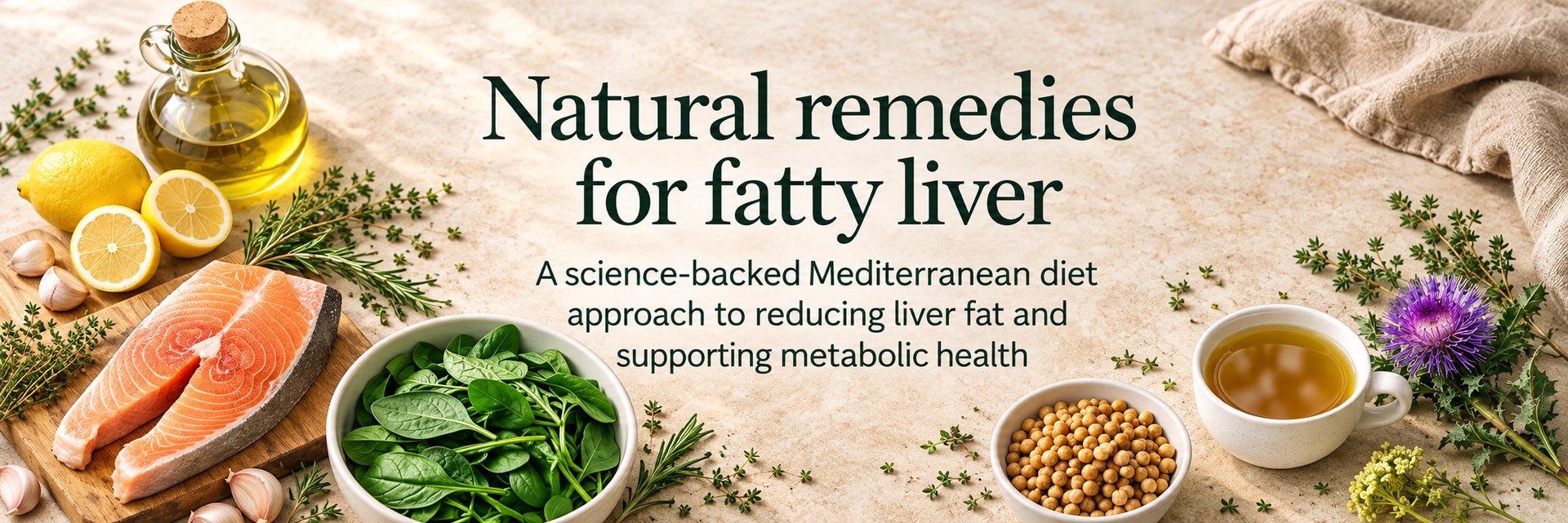

Natural Remedies for Fatty Liver: A Science-Backed Mediterranean Diet Approach to Reducing Liver Fat
Disclosure: This post contains affiliate links. If you buy through them, 1GlowWithin may earn a commission at no extra cost to you.
What is Fatty Liver?
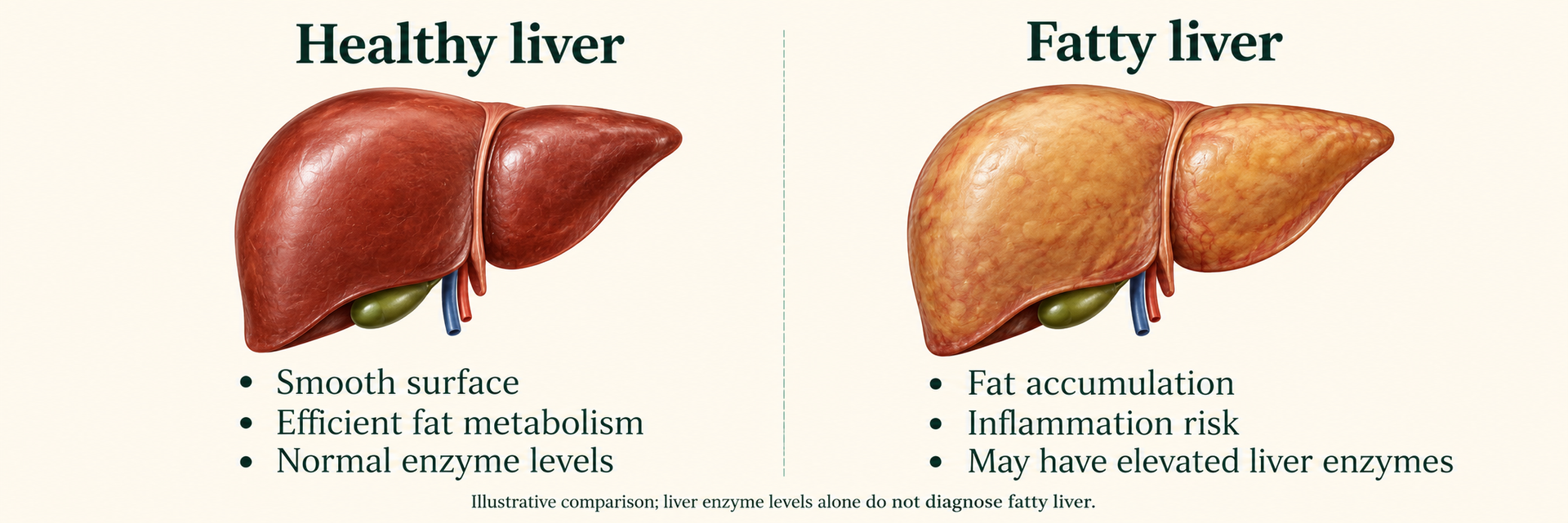
Fatty liver — now medically referred to as Metabolic Dysfunction–Associated Steatotic Liver Disease (MASLD) (formerly non-alcoholic fatty liver disease / NAFLD) — affects millions of adults and increasingly, teenagers and children. It occurs when excess fat builds up inside liver cells due to metabolic imbalance.
The encouraging news? In its early stages, fatty liver can often improve with lifestyle changes, especially gradual weight loss, regular movement and a healthier eating pattern.
This guide will show you:
- What fatty liver is
- What causes it?
- The most scientifically supported dietary approach.
- Natural remedies that may support liver function.
- What to eat (and avoid)?
- A simple 7-day liver-friendly eating plan.
How Does Fatty Liver Develop? Fat accumulates in the liver when the body struggles to properly process:
- Excess sugar
- Refined carbohydrates
- Ultra-processed foods
- Chronic inflammation
- Insulin resistance
- Alcohol
- Sedentary lifestyle
Over time, extra fat in the liver can lead to inflammation. Because the liver helps process nutrients, fats, blood sugar and medications, keeping it healthy matters for your whole body.
- Detoxify chemicals
- Break down fats
- Regulate blood sugar
- Balance hormones
- Support digestion
If it isn’t addressed, fatty liver can progress in some people to
MASH
(formerly NASH), which involves inflammation and liver damage, and later to fibrosis or cirrhosis.
Signs, Symptoms & Risk Factors

Fatty liver often causes no symptoms. It’s usually found through routine blood tests or an ultrasound. When symptoms do appear, they may include:
- Tiredness
- Discomfort in the upper right side of the abdomen
You may be at higher risk if you have:
- Extra weight around the waist
- Type 2 diabetes or prediabetes
- High triglycerides or cholesterol
- High blood pressure
If you have any of these risk factors, ask your doctor whether liver testing makes sense for you.
Why the Mediterranean Diet Is the Most Evidence-Backed Approach for Fatty Liver
The Mediterranean diet is the eating pattern most often recommended for fatty liver, and it has been studied more than any other. Research suggests it may help:
- Reduce liver fat, especially alongside gradual weight loss
- Improve insulin sensitivity
- Improve cholesterol and triglyceride levels
- Support a healthy waistline
- For people with extra weight, losing about 5–10% of body weight gradually is one of the most effective steps for reducing liver fat. Regular movement helps too, even without weight loss.
Core Mediterranean Foods for Liver Support

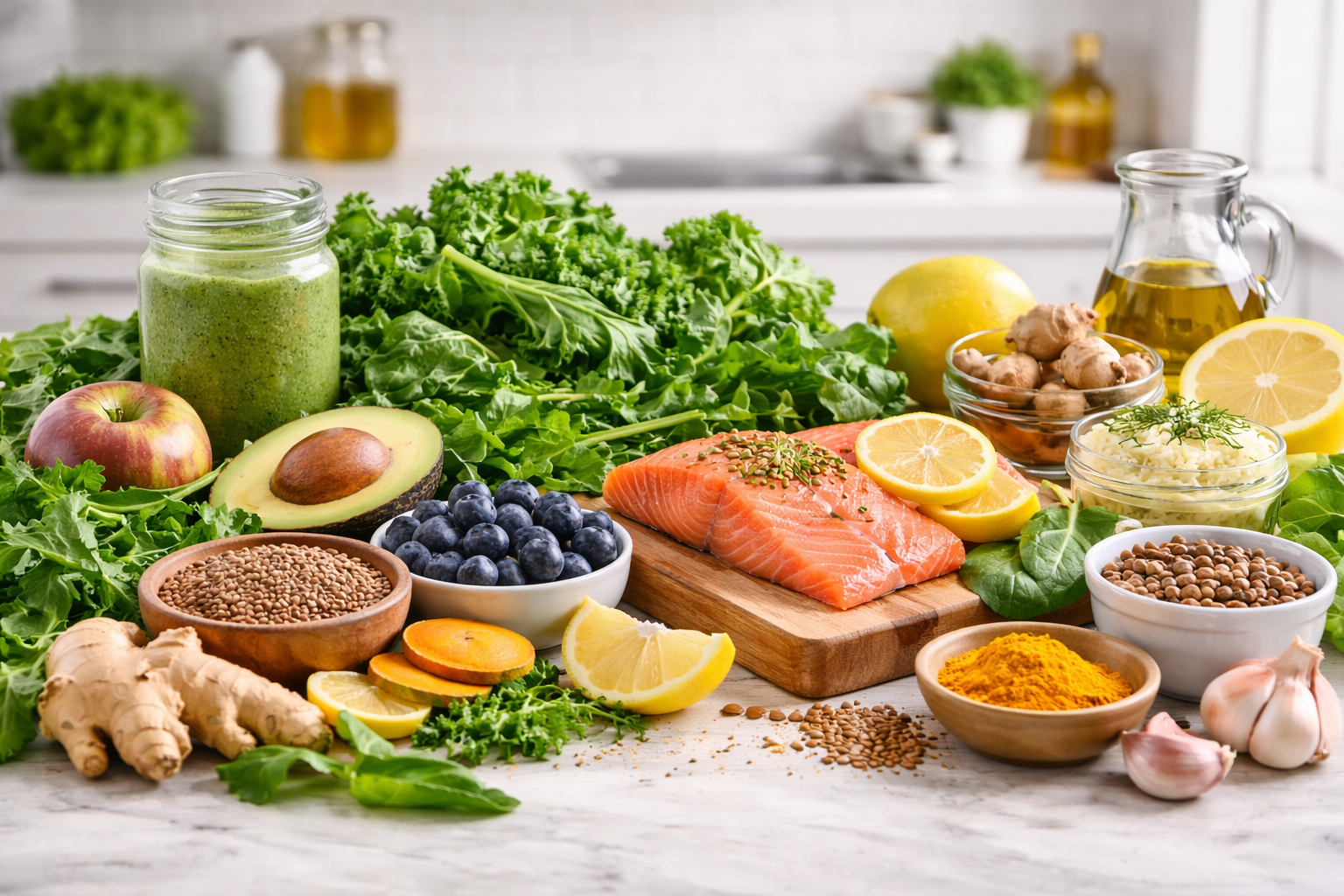
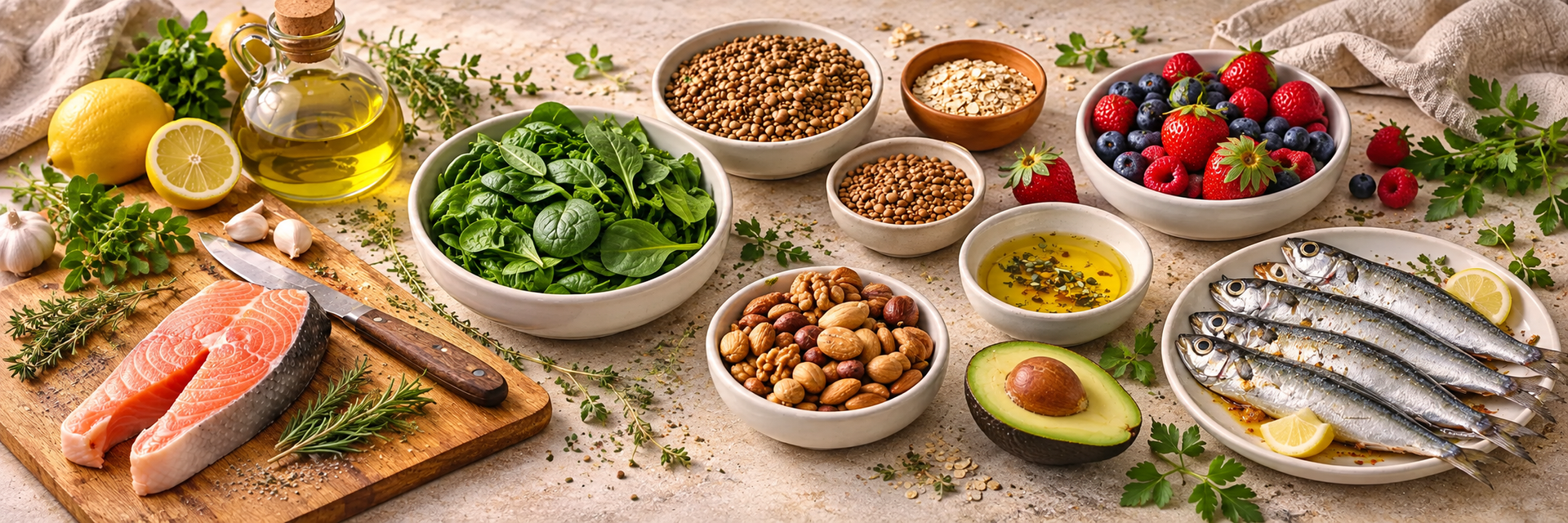
This dietary pattern emphasizes whole, minimally processed foods:
- Extra virgin olive oil
- Fatty fish (salmon, sardines)
- Leafy greens
- Lentils and beans
- Berries
- Nuts and seeds
- Herbs and spices
- Whole grains in moderation
- Limited refined carbohydrates
This sustainable approach is about long-term habits, not short-term restriction.
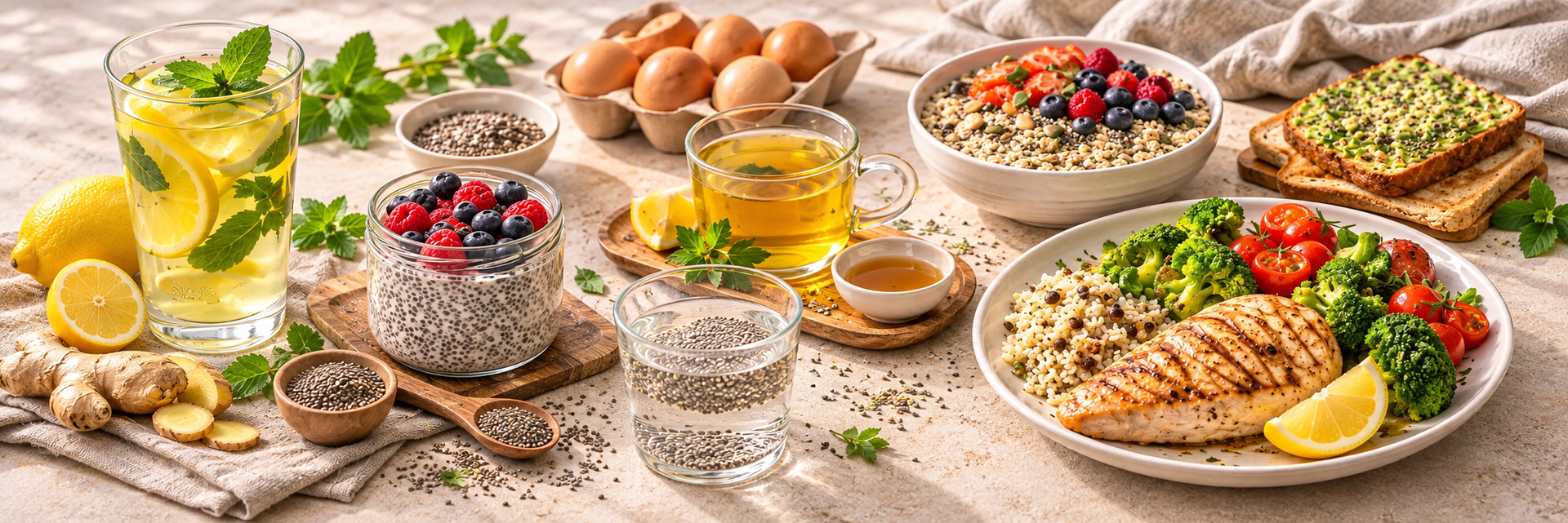
Foods to Eat More Of:
- Leafy greens (spinach, kale, arugula)
- Cruciferous vegetables (broccoli, cauliflower, cabbage)
- Berries and citrus
- Salmon, sardines, chia seeds (omega-3 sources)
- Avocado and olive oil
- Oats, quinoa, flax, and chia
Optionally, add coffee (unsweetened, if it agrees with you), which is linked to better liver health in studies.
Limit or Avoid:
- Sugary drinks (soda, fruit juice)
- White bread, pasta, refined flour
- Processed and fried foods
- Excess alcohol
Are Natural Remedies for Fatty Liver Scientifically Proven?
Not yet. Some natural compounds have been studied, but the results are mixed, and none replace lifestyle changes or medical care.
Important: Some herbal supplements, including high-dose green tea extract and turmeric, have been linked to rare cases of liver injury. If you have a liver condition or take medication, talk to your doctor before taking any supplement.
1. Milk Thistle (Silymarin)

Evidence: Some studies show small improvements in liver enzymes, but results are inconsistent.
May help: Mild support for liver enzyme levels in some people.
Note: Generally well tolerated, but can cause stomach upset.
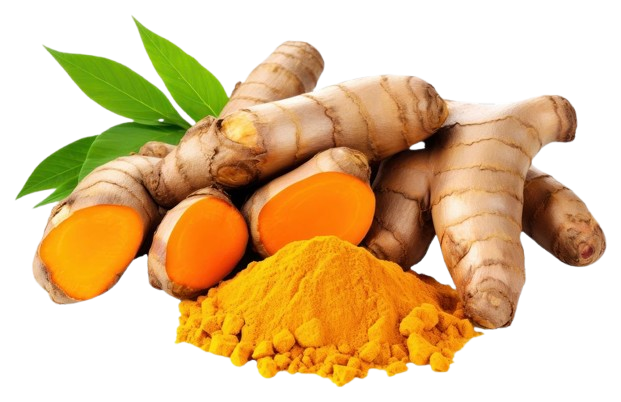
2. Turmeric / Curcumin

Evidence: Small trials suggest curcumin may improve liver enzymes and liver fat in some people.
May help: Antioxidant and anti-inflammatory support.
Note: Rare cases of liver injury have been reported with turmeric supplements. Cooking with turmeric is a gentler option.
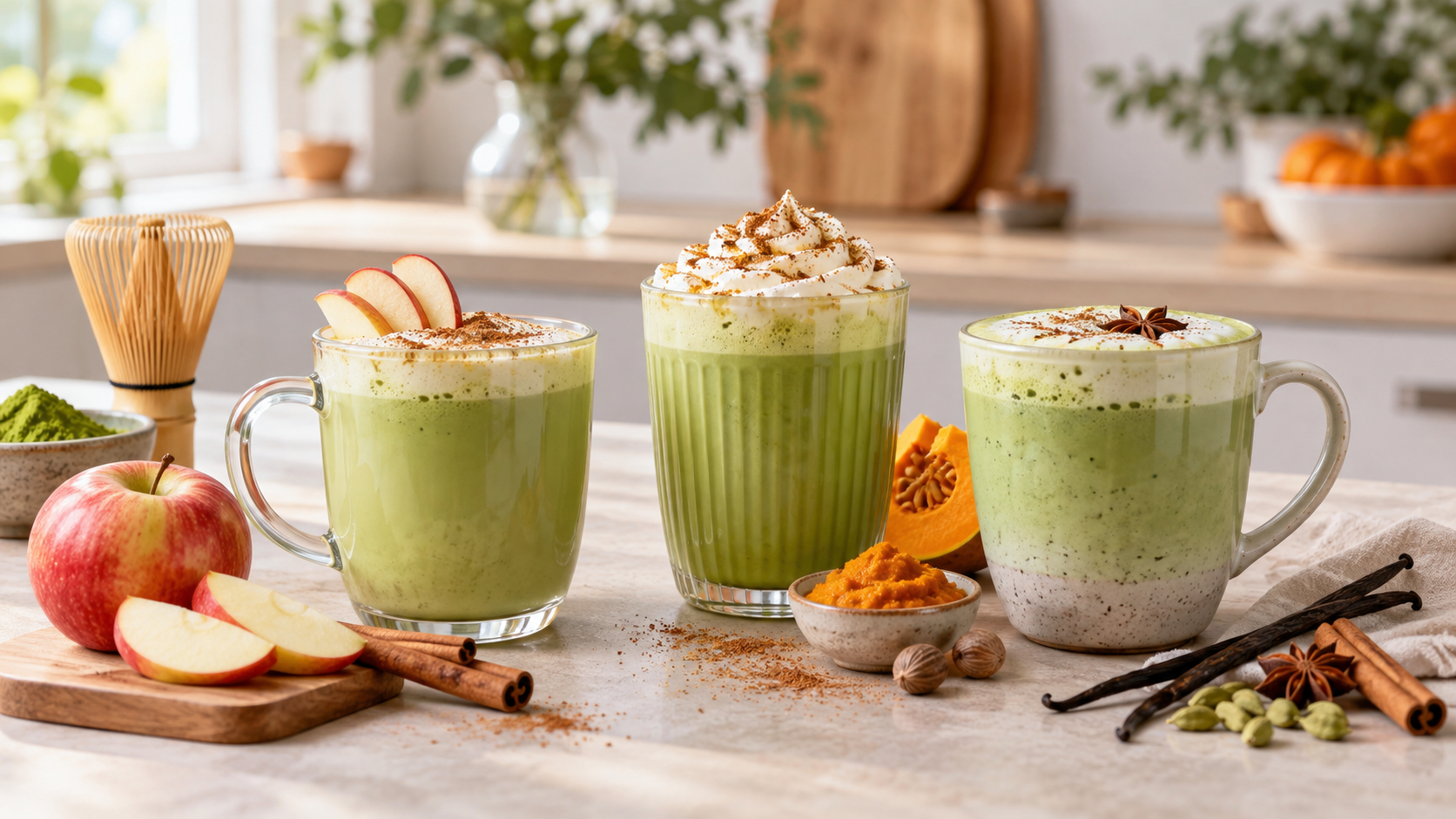
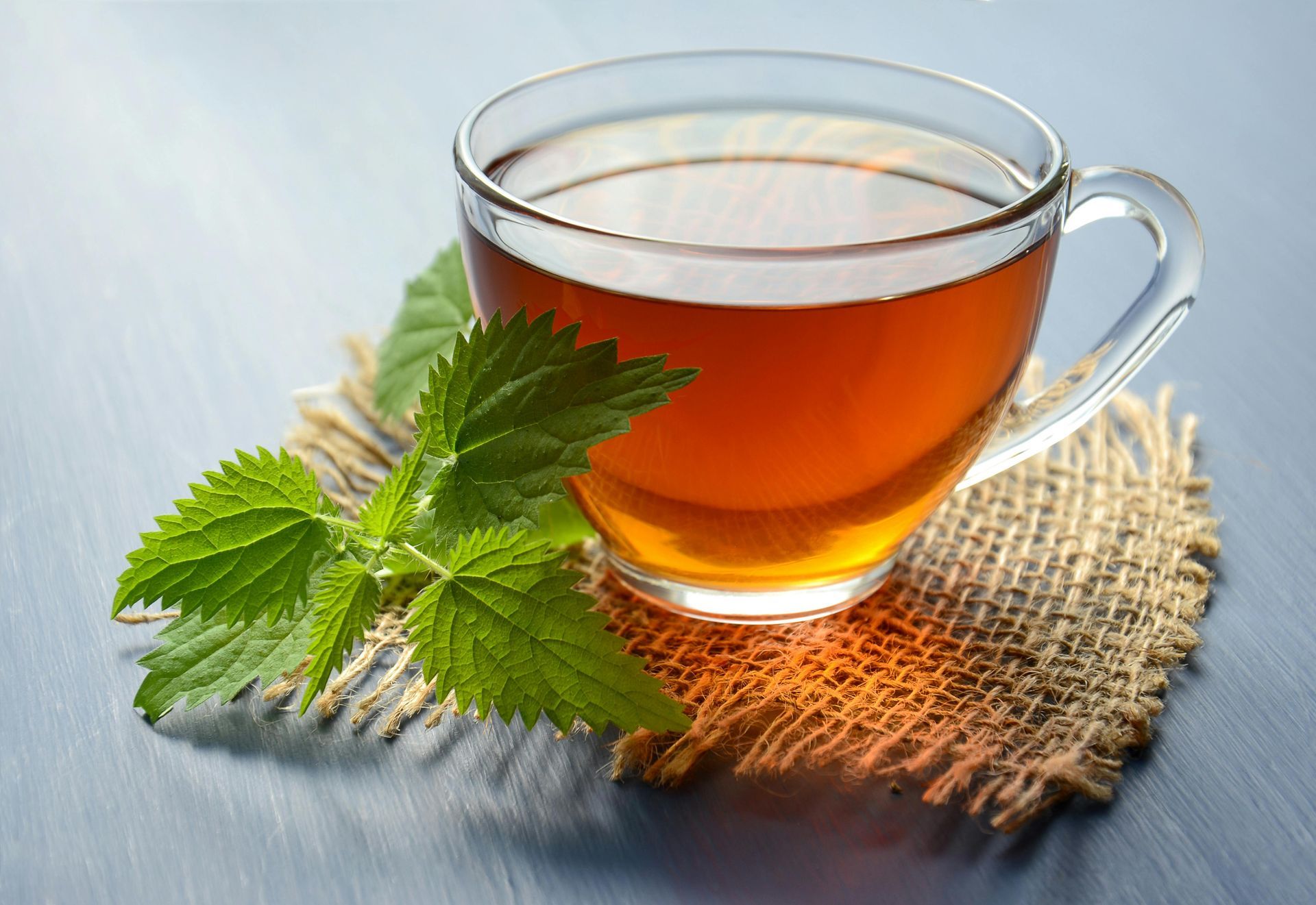
3. Green Tea

Evidence: Green tea contains antioxidants (EGCG). Drinking it is linked to better metabolic health, but research on fatty liver is limited.
May help: An easy, unsweetened drink swap.
Note: High-dose green tea extract supplements have been linked to liver injury. Stick to brewed tea.
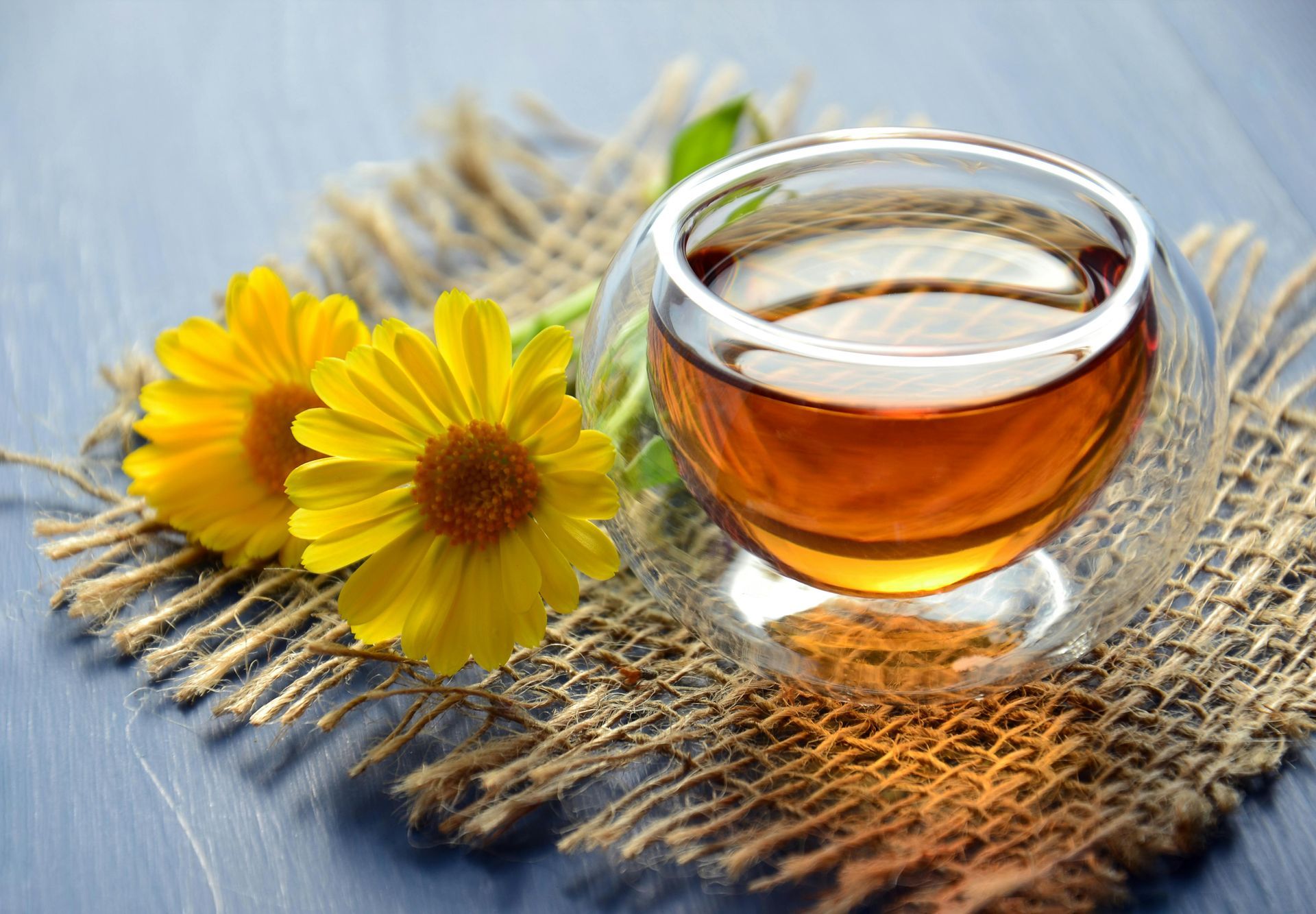
4. Dandelion Root Tea

Evidence: Mostly animal studies, with very little research in people.
May help: A caffeine-free herbal tea some people enjoy.
Note: Can interact with diuretics, lithium and some antibiotics.
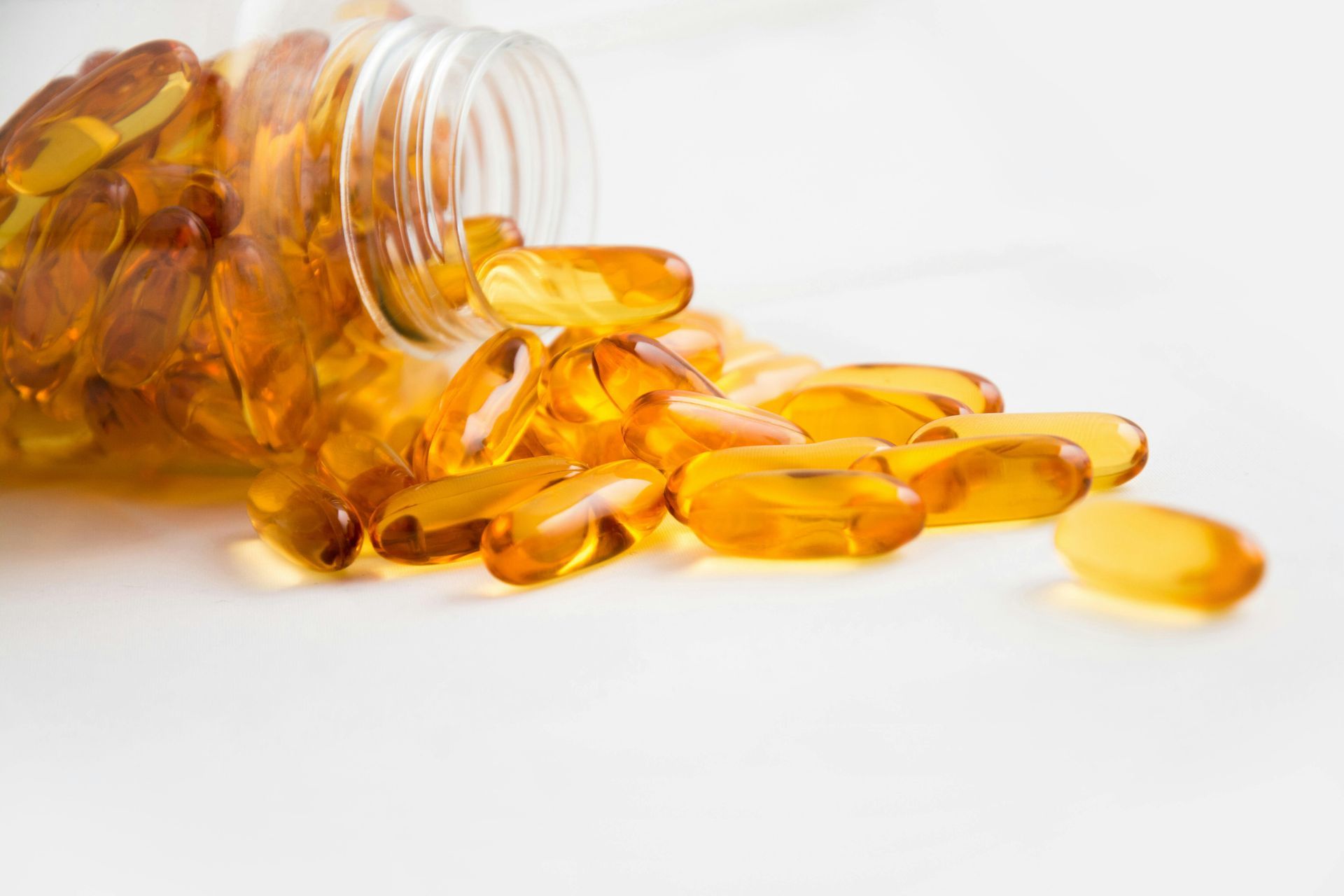
5. Omega-3 Fatty Acids Fish Oil

Evidence: Omega-3s reliably lower triglycerides, and some studies show reduced liver fat.
May help: Lower triglycerides and support heart health.
Note: Eating fatty fish twice a week is a good start. Ask your doctor before taking high-dose fish oil if you take blood thinners.
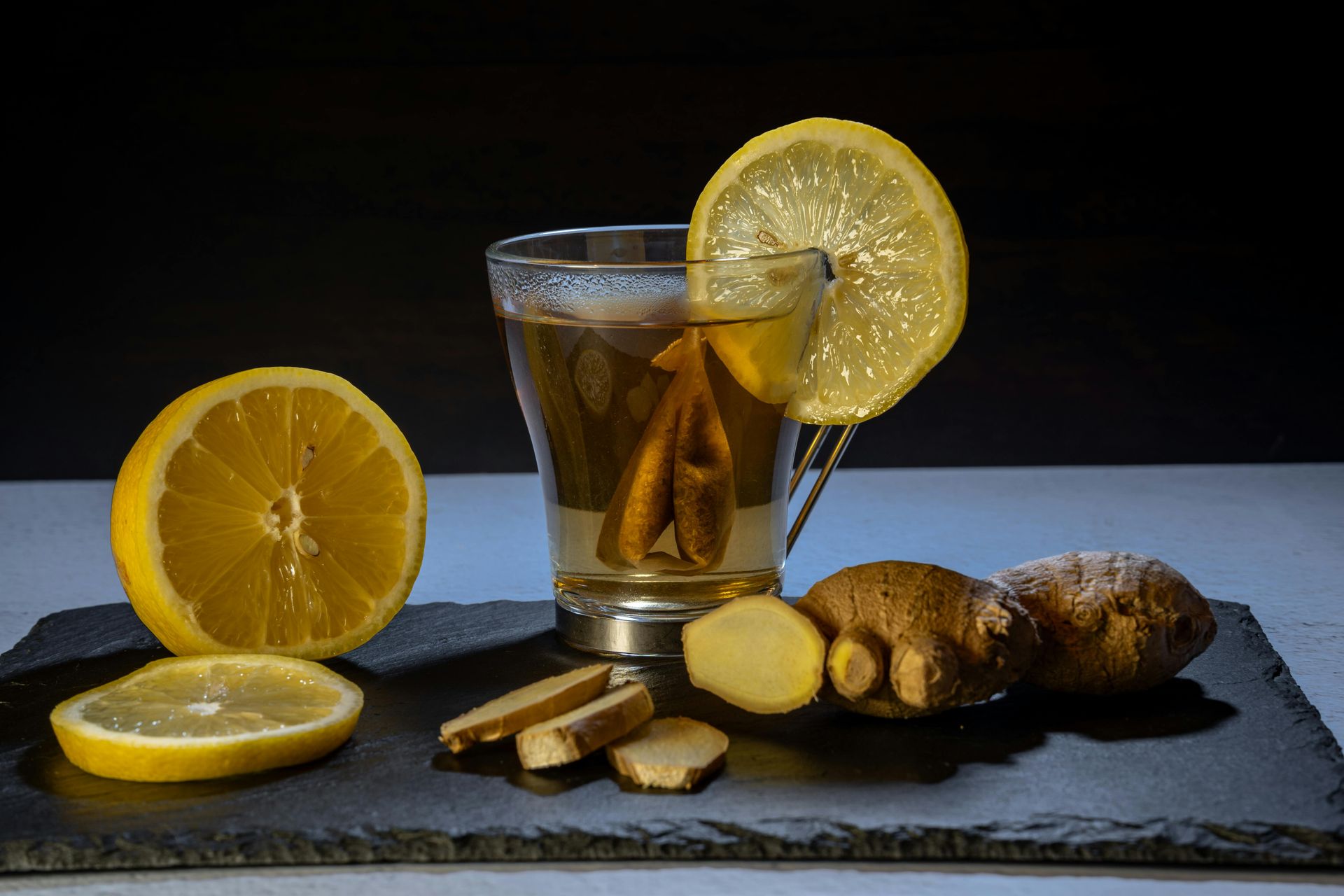
6. Lemon + Ginger Detox Daily Drink

Evidence: Small studies suggest ginger may support insulin sensitivity.
May help: A warm, refreshing drink in place of sugary drinks.
Recipe: ½ cup warm water, a slice of lemon, 1 tbsp grated ginger, ¼ tsp turmeric. Optional: 1 tsp apple cider vinegar.
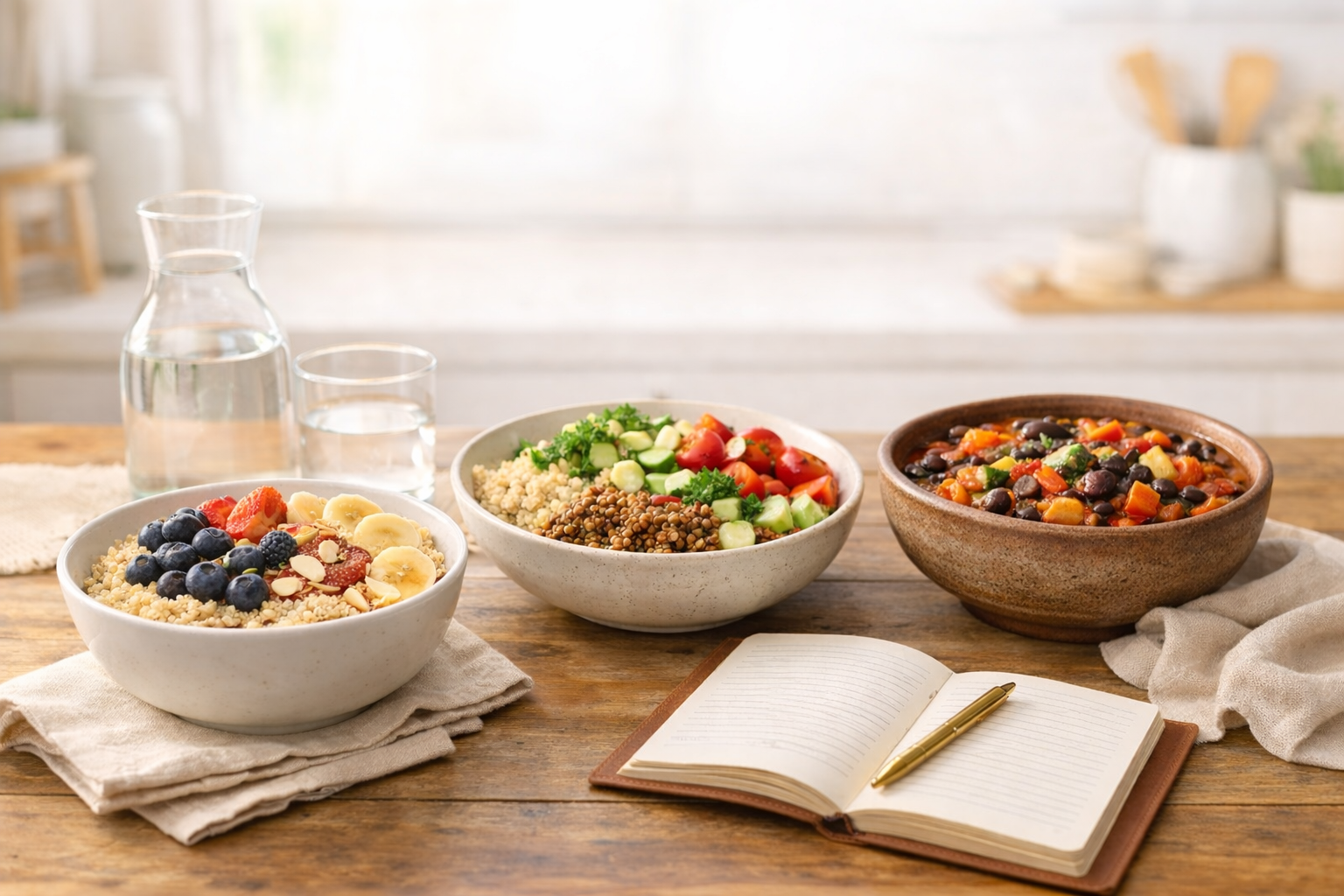
7-Day Liver-Friendly Eating Plan

Terrace with a stunning valley view
Access to private jacuzzi
Private seating area
Original 15th-century details
Morning
- Lemon ginger drink
- Light movement (walk or stretch)
Breakfast
- High-protein + high-fiber meal
Example: oats + chia + berries OR eggs + avocado
Lunch
- Lean protein + greens (salmon + spinach bowl)
Afternoon
- 1 cup green tea or dandelion tea
Dinner
- Low carb (chicken or fish + vegetables)
Before Bed
- 1 tbsp chia seeds soaked in water (for extra fiber)
When Might You Notice a Difference? Most people experience:
- Everyone is different. Many people notice more steady energy within a few weeks of eating this way
- Changes in liver fat and liver enzymes usually take a few months, and your doctor can check them with follow-up blood tests or imaging.
1GlowWithin Tip: You don’t need extreme detox diets or expensive supplements. Consistent daily habits, like balanced meals, regular movement, less sugar and alcohol, and good sleep, are what support your liver over time.
✔ Nourish your liver
✔ Eliminate liver stressors (sugar + alcohol)
✔ Move your body daily
When to See a Doctor
See your doctor if you have risk factors for fatty liver, abnormal liver blood tests, or symptoms like yellowing skin or eyes, dark urine, swelling in the belly or legs, or ongoing pain in the upper right abdomen.
Sources
- NIDDK: Nonalcoholic Fatty Liver Disease & NASH — https://www.niddk.nih.gov/health-information/liver-disease/nafld-nash
- American Liver Foundation: Fatty Liver Disease — https://liverfoundation.org/liver-diseases/fatty-liver-disease/
- NCCIH: Milk Thistle — https://www.nccih.nih.gov/health/milk-thistle
- NCCIH: Turmeric — https://www.nccih.nih.gov/health/turmeric
- NIH LiverTox (herbal and supplement liver safety) — https://www.ncbi.nlm.nih.gov/books/NBK547852/
This article is for general information and is not medical advice. Talk with your healthcare provider about testing and treatment for fatty liver.